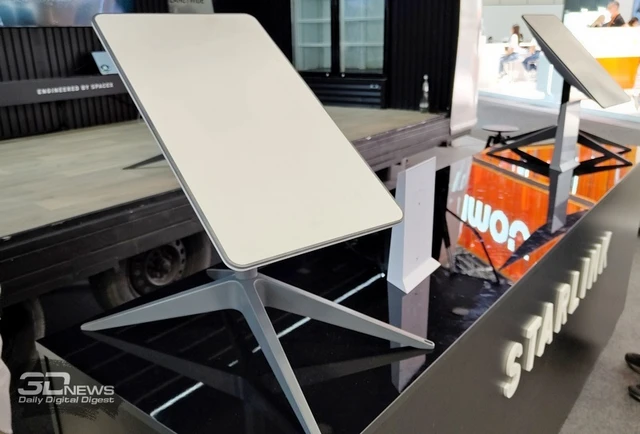
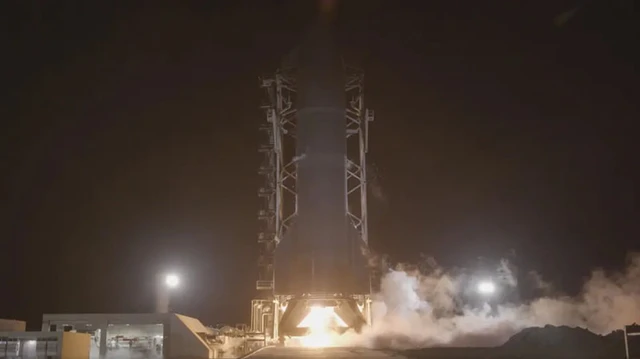
The vision of ubiquitous high-speed internet is triggering an industrial renewal cycle in space on an unprecedented scale. SpaceX is deploying the most expansive satellite constellation in human history—a system where the launch of next-generation hardware is inextricably linked to the systematic decommissioning of the old. Recent regulatory data reveal the true magnitude of this orbital "planned obsolescence." The incineration of thousands of tons of high-tech hardware within the dense layers of the atmosphere shifts the conversation from a matter of engineering logistics to one of global environmental security.
The modern Starlink deployment model resembles an industrial assembly line more than traditional space exploration. According to a report filed with the U.S. Federal Communications Commission (FCC), SpaceX decommissioned 260 satellites over a six-month period from December 2025 to May 2026. This process was not the result of accidents or technical failures, but rather a deliberate strategy of atmospheric reentry for total incineration. Of the liquidated units, 176 belonged to the network's first generation, with the remainder being more advanced second-generation models. Meanwhile, the decommissioning queue continues to grow, with another 349 satellites already retired and awaiting their descent.
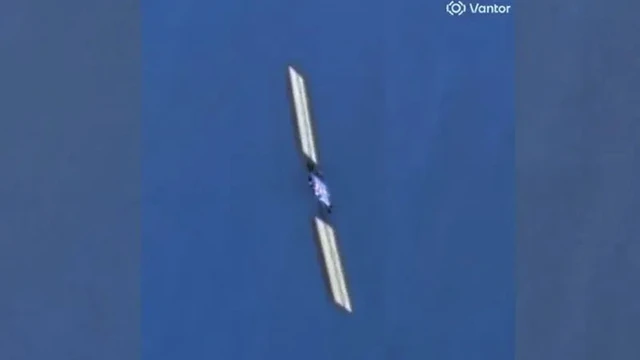
At the heart of this strategy lies a calculated lifecycle analysis. The average operational lifespan of a Starlink satellite is approximately five years. This limitation is driven less by electronic wear and tear and more by the fuel reserves required for station-keeping and orbital maneuvering. Once resources are depleted, the craft is programmed for a controlled de-orbit. Using its remaining propellant, the satellite lowers its altitude, after which extreme friction against the dense layers of the atmosphere transforms the multi-ton structure into a searing fireball.
The sheer scale of this operation is staggering. The constellation currently comprises over 10,000 active units, and the pace of network refreshment is only accelerating. For comparison, more than 472 satellites were removed from orbit during the same period last year. From an economic and logistical standpoint, attempting to recover or return these assets to Earth is entirely unviable. First-generation satellites weigh between 260 and 295 kg, while second-generation units are significantly more massive, ranging from 800 to 1,250 kg. The cost of developing recovery systems for such volumes of hardware would far exceed the cost of simply manufacturing new units.
However, the technical efficacy of atmospheric incineration is raising serious alarms among ecologists and scientists. The total destruction of a spacecraft in the atmosphere means that all constituent materials are converted into microscopic particles and aerosols that linger in the upper atmosphere. There is a growing concern that the mass vaporization of metals could alter the chemical composition of the stratosphere and the ozone layer—a risk that demands rigorous research, which is currently lacking.
This situation is exacerbated by a regulatory vacuum. For a long time, the FCC excluded space operations from mandatory environmental impact assessments, fearing that bureaucratic hurdles would stifle the pace of the technological race. Now, the commission is even proposing to officially exempt space activities from the National Environmental Policy Act (NEPA), arguing that space operations constitute "extraterritorial activity" with consequences that fall outside U.S. jurisdiction.
Despite these environmental disputes, SpaceX shows no intention of slowing its expansion. The company's ultimate goal is the deployment of up to 42,000 satellites in low Earth orbit (LEO). Earlier this year, regulators approved the placement of an additional 7,500 second-generation units. The company's strategy is evolving: moving beyond simple internet provision, SpaceX is building a comprehensive orbital infrastructure. Plans include the launch of Starlink Mobile for direct-to-cell connectivity, the construction of "Gigasat"—a massive manufacturing facility spanning over one square kilometer—and the creation of the A1 orbital data center with a computing capacity of 120 kW. In effect, Earth's orbit is being transformed into a full-scale industrial zone with its own cycle of production, operation, and disposal.
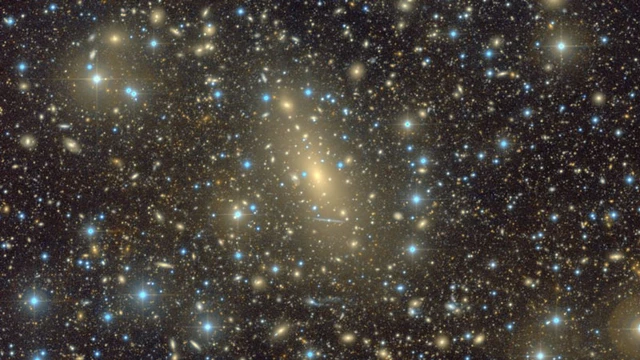 The Phenomenon of the Supermassive Galaxy IC 1101