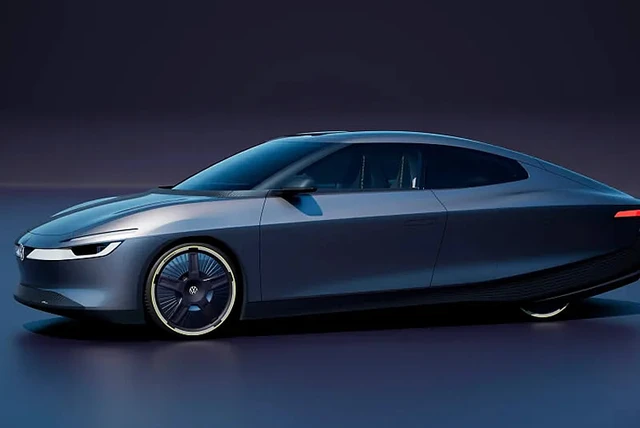
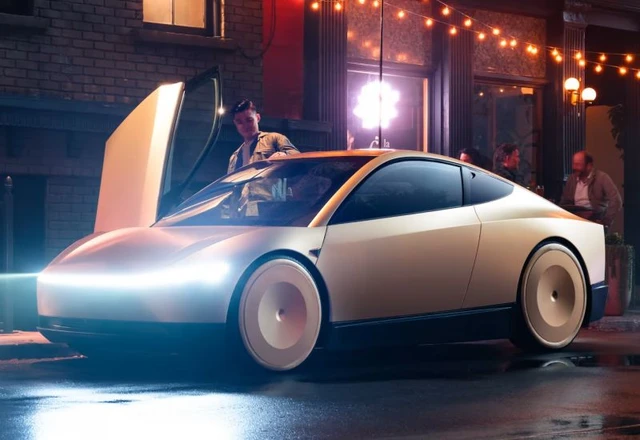
The vision of fully autonomous transportation has collided head-on with the stark realities of regulatory frameworks. The unveiling of the Cybercab—a vehicle devoid of a steering wheel, pedals, and mirrors—has ignited a high-stakes confrontation between Tesla and the National Highway Traffic Safety Administration (NHTSA). At the heart of the dispute is the attempt to certify a vehicle stripped of traditional controls under safety standards originally designed for human operators. This precedent is set to define the trajectory of the entire autonomous mobility industry.
Tesla’s technological audacity, embodied in the Cybercab, has placed the company in a precarious position regarding government oversight. The creation of a vehicle fundamentally devoid of a steering wheel, brake and accelerator pedals, and rearview mirrors may seem like an audacious leap into the future, but from a legal standpoint, it is a dangerous experiment. The National Highway Traffic Safety Administration (NHTSA) has essentially issued an ultimatum: prove the legality of this design or face staggering fines.
The conflict centers on a fundamental contradiction in the certification process. The U.S. operates under a system where manufacturers self-certify that a vehicle meets safety standards, though the regulator retains the right to conduct retrospective audits. Tesla maintains that the Cybercab is compliant, but here lies the critical nuance: existing safety standards were authored for human-operated vehicles.
From the NHTSA's perspective, attempting to apply "human" standards to a fully autonomous robot is tenuous at best. For instance, the law explicitly mandates a functional brake actuated by the driver's foot. While the regulator previously signaled a willingness to revise these requirements for autonomous vehicles, official amendments have yet to be ratified. Consequently, the Cybercab technically violates basic safety requirements, regardless of its software-driven capabilities for maneuvering in parking lots or at charging stations.
The situation is further complicated by U.S. legislation that strictly prohibits the operation of vehicles on public roads if they lack permanently functioning control elements and signaling. While some market players, such as Zoox, have managed to secure temporary exemptions, Tesla finds itself within a much tighter regulatory straitjacket. Even the concessions granted to Zoox are capped at 2,500 vehicles annually and expire in 2028.
The stakes in this confrontation extend far beyond corporate penalties. The regulator is demanding sworn testimony from Tesla. Should it emerge that the company provided misleading information regarding the Cybercab's compliance with safety standards, the fallout would transcend a potential $139 million fine, extending to individual executives. In the worst-case scenario, those who signed the documentation could face up to 15 years in prison.
This case exposes the profound chasm between the velocity of AI innovation and the inertia of legal systems. Tesla is attempting to force a transition into a new era of mobility by effectively bypassing obsolete regulations, but the clash with the NHTSA demonstrates that technological superiority is no substitute for regulatory compliance. The resolution of this dispute will serve as a bellwether for how flexible the law will be in the face of total transport automation.
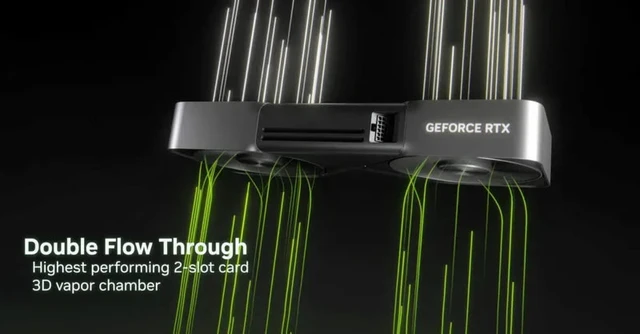 The Identity Crisis of the Founders Edition GPU