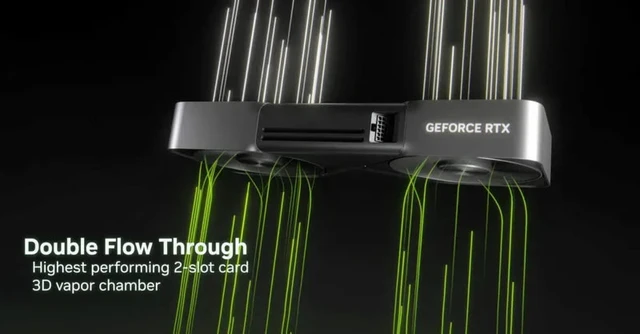
The Founders Edition series has long been regarded as the gold standard of Nvidia's engineering prowess and aesthetic vision. Yet, this premium positioning has been undermined by an unforeseen physical flaw that directly jeopardizes consumer rights. The erosion of serial numbers effectively renders high-end hardware "anonymous," stripping owners of their ability to claim warranty support. This predicament exposes a critical vulnerability: the lingering dependence of modern after-sales service on physical labeling in an era of pervasive digitalization.
The issue gained widespread attention following a high-profile incident on Reddit, where an owner of a flagship RTX 5090 Founders Edition was denied warranty service. The cause was as mundane as the fading of the serial number—the primary identifier for the device had simply worn away. Although official comments from Nvidia representatives were subsequently scrubbed from the public record, the incident exposed a critical flaw in the hardware verification process.
It has become evident that this defect is systemic and not limited to a single model. Analysis reveals similar signs of label degradation on the RTX 5080 FE, confirming that this is not an isolated manufacturing fluke, but rather a fundamental failure in the choice of materials or the application method of the identifiers.
A technical analysis of the situation points to a shift in labeling paradigms. While Nvidia previously relied on traditional stickers, recent Founders Edition iterations have seen serial numbers printed directly onto the lower section of the PCIe bracket. In the context of modern gaming, this design choice has proven problematic. Constant thermal cycling within enclosed chassis—where component temperatures can reach critical thresholds—combined with mechanical friction during installation and hardware swaps, leads to the rapid deterioration of the ink or paint layer.
From a service policy perspective, the absence of a legible serial number creates a legal vacuum for the user. The serial number is the sole legitimate means of verifying device authenticity and checking warranty status. The situation is further complicated by Nvidia's stringent warranty terms, which stipulate that service is provided only to the original purchaser. Consequently, for owners on the secondary market, or even the original buyer, the loss of the physical code effectively means the loss of the right to support.
The paradox lies in the fact that official RMA (Return Merchandise Authorization) protocols provide no definitive answer as to whether physical legibility is a mandatory requirement for filing a claim. Discrepancies in regional legislation and internal service center guidelines create an ambiguity that ultimately works against the consumer.
Under current circumstances, the only effective safeguard is preventative documentation. Owners of high-performance GPUs are strongly advised to create a digital archive of their device markings, taking clear photographs of serial numbers before physical wear renders recovery impossible.
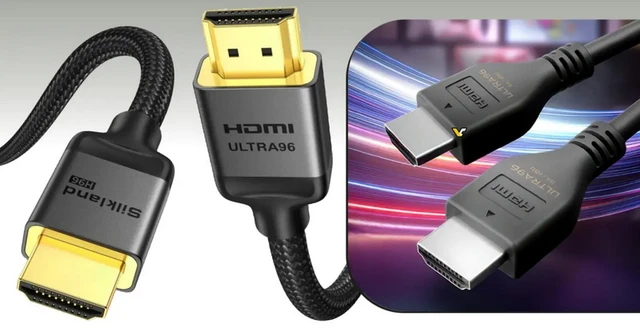 HDMI 2.2: The New Standard for Data Transmission