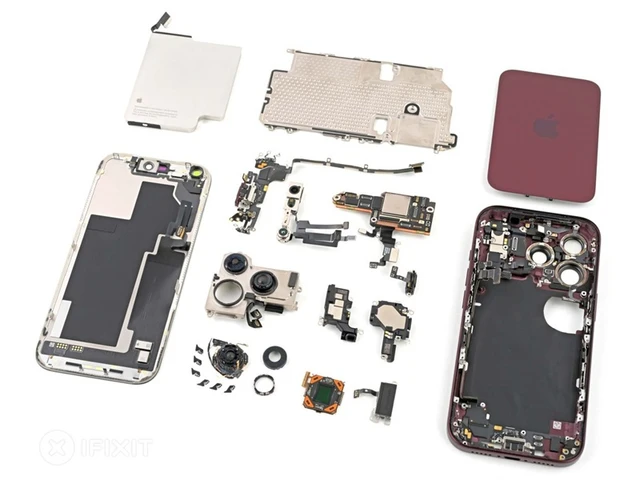
The contemporary smartphone landscape is defined by a drive toward extreme integration, where every single millimeter of internal real estate is leveraged to push performance boundaries. Apple's latest flagships double down on this trend, introducing cutting-edge optical arrays and thermal management systems that, while impressive, introduce significant complexities for repair and maintenance. Striking a balance between engineering excellence and practical repairability has become the central pivot upon which device longevity turns. A deep dive into the iPhone 18 Pro and Pro Max reveals exactly how these engineering ambitions reshape the device's internal architecture.
One of the cornerstone innovations of the iPhone 18 Pro series is the introduction of a variable aperture camera system. From a photographic standpoint, this represents a quantum leap, offering granular control over depth of field and exposure. However, from a serviceability perspective, it introduces significant complexity. The integration of moving mechanical components inevitably increases the risk of failure and renders module repairs nearly impossible for most technicians.
Because the camera is supplied as a single sealed unit, any malfunction within the aperture mechanism necessitates a full assembly replacement. This not only drives up the cost of parts compared to previous generations but also renders the device more susceptible to physical wear and tear. While the actual process of removing the module remains relatively straightforward, the total cost of ownership rises in tandem with the sophistication of the optics.
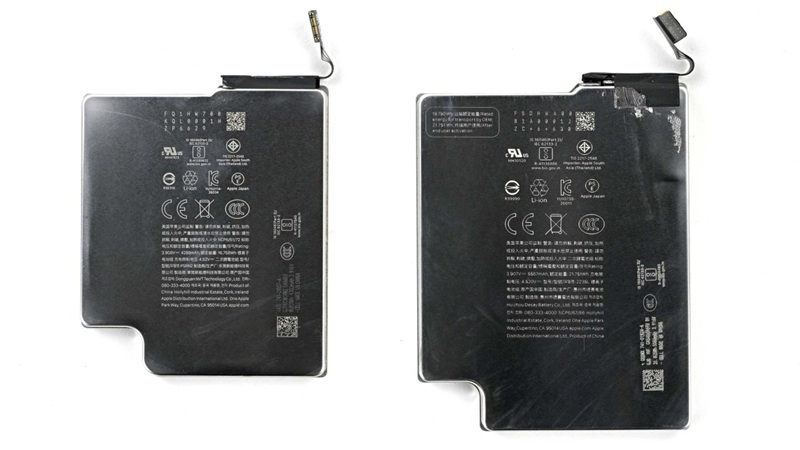
The battery remains a critical point of failure. Despite a modular approach to certain components, accessing the battery still requires the removal of the display assembly, which is bonded tightly to the chassis. This is the most precarious stage of the process: disassembly frequently results in damage to the frame, an integral part of the screen. Such defects do not merely compromise the device's aesthetics; they jeopardize its environmental sealing, as restoring the integrity of the plastic with simple adhesives is impossible. Consequently, a routine battery replacement can spiral into a costly replacement of the entire display block.
To streamline battery removal, Apple employs a modern method utilizing electrically activated adhesives. By applying a 12V charge via specialized tools such as FixHub or VoltClip, the bond is weakened, allowing the battery to be easily detached from its metal mounting plate. This high-tech solution partially offsets the difficulties inherent in accessing the smartphone's internals.
Thermal management in the iPhone 18 Pro has reached a new echelon thanks to a comprehensive redesign of the cooling system. The A20 Pro processor is now positioned in closer proximity to the memory, optimizing heat dissipation paths. The centerpiece of this architecture is an updated vapor chamber, with a surface area three times larger than its predecessor. A porous gasket is installed between the chip and the chamber, ensuring efficient thermal energy transfer.
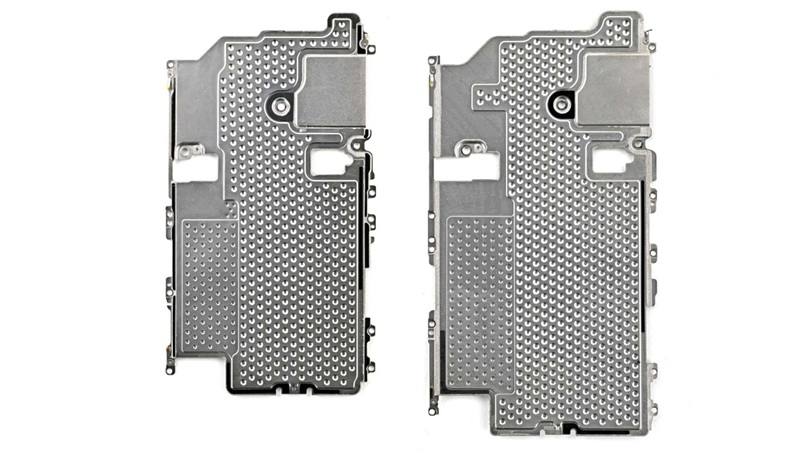
However, this thermal optimization has necessitated a shift in motherboard topology. Moving the System-on-Chip (SoC) to the outer side of the board has reduced overall chassis heating but significantly complicated access to other components. Specifically, the NAND flash memory is now embedded within a multi-layered "sandwich" of boards, making its repair or replacement an arduous task.
The front-facing hardware has also seen intriguing modifications. The infrared camera has been relocated directly beneath the display in the upper-left corner. To achieve this, the display structure was modified: the pixel grid now features microscopic gaps to allow light to pass through (every second row of pixels is omitted). Conversely, the front camera module itself has become more accessible—it can now be removed without the need for screws or adhesives, marking a welcome shift toward modularity.
Ultimately, the overall repairability of the iPhone 18 Pro and Pro Max is rated at 7 out of 10. The devices earn high marks for camera modularity and the thoughtful design of the battery compartment. The primary bottleneck remains the necessity of dismantling the screen for any significant internal intervention, which increases both the time investment and the risk of damaging one of the device's most expensive components.
 The Second Life of a Legend: Ryzen 7 5800X3D