The wearable ecosystem is undergoing a fundamental metamorphosis, evolving from mere notification hubs into sophisticated, autonomous assistants. The launch of Wear OS 7, timed to coincide with the rollout of Android 17, represents Google's latest endeavor to resolve the perennial tension between feature-rich functionality and power efficiency. The focus has shifted beyond the user interface toward the deep integration of generative AI into the fabric of daily routines—a decisive step toward forging a seamless bridge between the user's wrist and the vast capabilities of cloud computing.
The release of Wear OS 7 for the Pixel Watch lineup is far more than a routine update; it is a strategic pivot by Google to synchronize its entire mobile ecosystem. Launching the OS in tandem with Android 17 underscores the company's ambition to forge a seamless, monolithic user experience—one where the smartwatch evolves from a peripheral accessory into a full-fledged extension of the smartphone.
A perennial challenge for wearables has been the tension between feature density and battery longevity. In the seventh iteration of Wear OS, developers have prioritized deep energy optimization, resulting in an approximate 10% gain in autonomy. In the world of smartwatches, where every minute of screen-on time is critical, such an increase is a significant achievement, granting users greater independence from the charger without compromising performance.
Alongside energy efficiency, Google has reimagined the delivery of information. The new "Live Updates" feature introduces the concept of "instant context." Dynamic data—whether a real-time sports score or the current progress of a high-intensity workout—is now displayed via a minimalist glyph directly on the watch face and a detailed card within the notification feed. This minimizes the need for constant screen unlocking and deep navigation into apps, transforming the watch into an ideal tool for rapid event monitoring.
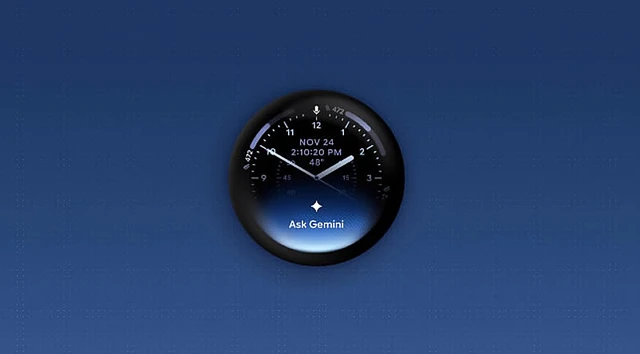
However, the true paradigm shift is slated for the second half of 2026 with the integration of Gemini Intelligence. Google is transitioning from a "search assistant" model to an "active agent" model. The "Create My Widget" tool will allow users to build personalized control panels using natural language prompts. Essentially, the interface ceases to be static, beginning instead to adapt to the owner's specific needs in real time.
Furthermore, Gemini-powered multitasking automation will enable the watch to execute complex workflows independently. Booking a gym slot or ordering food will no longer require manual switching between applications; the AI will handle the interaction with various services, turning the device on the wrist into a comprehensive life-management hub.
The system's visual and cognitive layers have also been overhauled. The new "Neural Expressive" design language is intended to make interface interactions more intuitive and emotionally responsive. Coupled with "Personal Intelligence"—which analyzes data from Gmail and chat histories—the watch acquires a form of "digital memory." The system begins to grasp the context of the user's life, offering relevant suggestions and actions based on an analysis of personal correspondence and calendar events.
Rounding out the experience is a substantial improvement in multimedia management. The introduction of an audio output switcher allows for the instantaneous redirection of sound. With a single tap, users can shift an audio stream from headphones to a smartphone or a home acoustic system without diving into convoluted pairing settings. This positions Wear OS 7 as an efficient command center for one's entire home and personal digital environment.
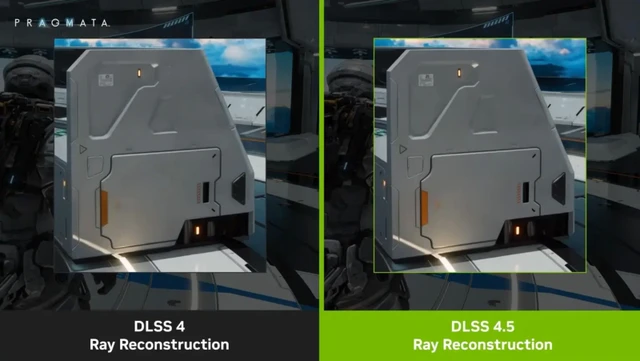 The Evolution of Rendering in DLSS 4.5