The launch of ChatGPT in late 2022 served as a catalyst not only for a software revolution but for an unprecedented reimagining of the physical architecture of global computing. US tech giants have transformed the AI arms race into a massive infrastructure build-out, with expenditures already surpassing the trillion-dollar mark. Today, the industry is grappling with a stark paradox: skyrocketing cloud service revenues are juxtaposed against a sharp decline in free cash flow. At the heart of this tension lies a fundamental question regarding the ROI timeline for what may be the most expensive capital investment spree in the history of the tech sector.
The dawn of the generative AI era was marked not merely by the launch of a successful chatbot, but by the realization that modern Large Language Models (LLMs) require computational horsepower far beyond traditional concepts of server farms. Since late 2022, the U.S. tech sector has entered a phase of aggressive capital expenditure. According to the Financial Times, the combined infrastructure spending of the four primary titans—Alphabet (Google), Amazon (AWS), Microsoft, and Meta Platforms—has reached a staggering $1.1 trillion.
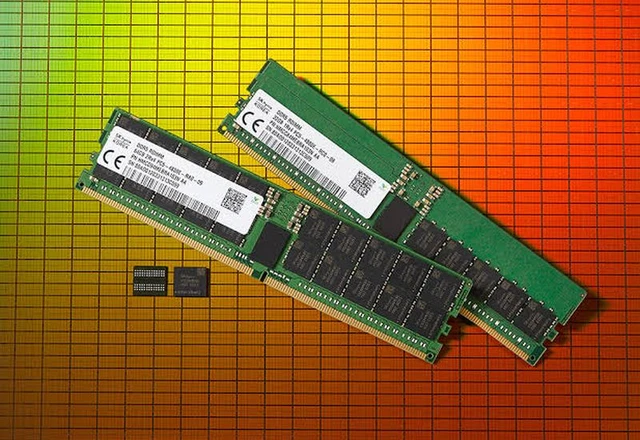
This process represents the construction of a new physical bedrock for the digital economy. It encompasses more than just server procurement; it involves the erection of massive data centers, the deployment of specialized compute accelerators and High Bandwidth Memory (HBM), and the comprehensive modernization of power grids capable of sustaining the colossal loads generated by neural network clusters. In this year alone, these companies plan to invest an additional $745 billion, underscoring the immense stakes involved in this gamble.
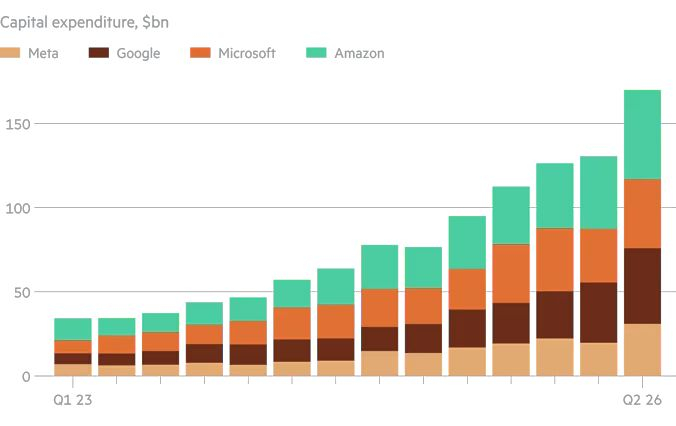
A tight symbiosis has emerged within this ecosystem between hardware and algorithms. On one side, startups like OpenAI and Anthropic are developing increasingly sophisticated models that act as catalysts for demand. On the other, these developers are critically dependent on the cloud resources of the tech giants, positioning Google, Amazon, and Microsoft as the primary beneficiaries of this infrastructural surge. The growth in cloud revenue for these companies in the second quarter is a direct result of the entire market—from lean startups to global corporations—migrating toward high-performance computing rentals.
The case of Meta Platforms is particularly noteworthy. Although the company does not commercially lease its resources, it is reaping significant AI dividends: the optimization of advertising algorithms has driven revenue up by 28%, reaching $61 billion. While leadership is considering the monetization of its data centers through external leasing, the current priority remains the development of its own proprietary software stack.
The scale of current commitments is staggering: in the second quarter alone, the combined volume of AI-related project contracts for three of these companies approached $900 billion. Google allocated approximately $500 billion toward data center construction and energy infrastructure, Meta recorded obligations totaling $233 billion, and Microsoft increased its client capacity-leasing contracts by over $130 billion. Amazon, despite maintaining a more opaque reporting structure in this area, is following the same trajectory of expansion.
However, such a strategy carries profound financial risks. The "cost of entry" into the AI era has proven so high that the combined free cash flow of these four giants plummeted to a ten-year low, totaling just $7 billion at the end of the last quarter. Only Microsoft and Meta managed to maintain a positive balance between income and expenditure.
The industry is now entering a period of "investment gestation." The vast time lag between the construction of data centers and the realization of client profitability is exerting pressure on valuations and raising questions among investors. Analysts warn that the ROI for these projects may take years, and the market must now prove that the AI arms race will not consume the very resources that ensured the stability and growth of the tech sector over previous decades.
 The Commercial Debut of the Googlebook Ecosystem