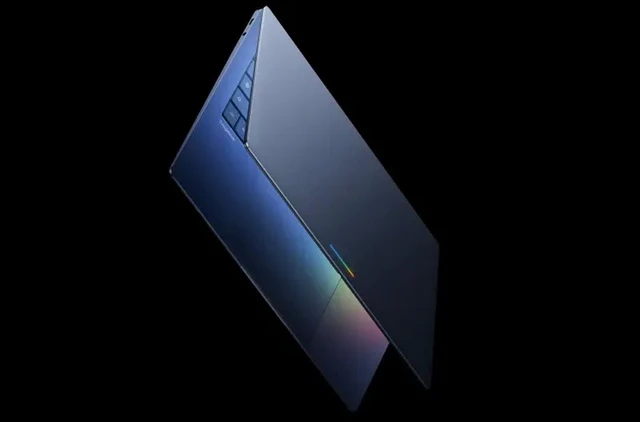
The boundary between the tablet and the full-fledged laptop has effectively vanished. Google is taking a decisive leap toward redefining productivity, proposing a hybrid approach to computing. The new Googlebook platform stands as the physical manifestation of the company's strategy to deeply embed artificial intelligence into the hardware layer. The announcement of pre-order dates marks the opening of a new chapter in the clash of global tech ecosystems.
The personal computing industry is poised for a seismic shift as one of the market's primary architects prepares a major offensive. Google has officially confirmed that pre-orders for the Googlebook family of devices will open on September 21, 2026. According to internal company notifications, orders will go live at 9:00 AM ET, effectively ending months of speculation regarding the product's launch timeline.
This launch is far more than the release of another laptop lineup. The Googlebook represents an ambitious attempt to synthesize the best of two worlds: the flexibility and app ecosystem of Android, and the cloud efficiency, security, and agility of ChromeOS. At the heart of this symbiosis lies the deep integration of Gemini AI models, evolving the device from a mere data-entry tool into an intelligent partner.
The Googlebook's technological stack introduces several innovative features designed to redefine the user experience. A standout is the "Magic Pointer"—an AI-driven tool engineered to optimize navigation and content interaction. Coupled with a revamped widget system and seamless synchronization with Android smartphones, the platform aims to create a unified digital environment where transitions between devices are virtually invisible to the user.
Google's strategy leverages an extensive partner network, allowing the platform to scale far more rapidly than if the company relied solely on proprietary hardware. Among the first manufacturers to integrate Googlebook into their product lines are industry titans such as Acer, Asus, Dell, HP, and Lenovo. This signals Google's intent to establish a new industry standard, one whose impact could rival the shift toward ARM architecture in the premium laptop segment.
While the full platform presentation is scheduled for September 15, Google is maintaining an air of mystery regarding specific hardware specifications and pricing. Currently, it is known only that devices will hit the market this autumn, though exact shipping dates remain a subject of debate. It is evident that the Googlebook will serve as the primary proving ground for Gemini's capabilities in real-world workflows, effectively transforming the laptop into a comprehensive AI terminal.
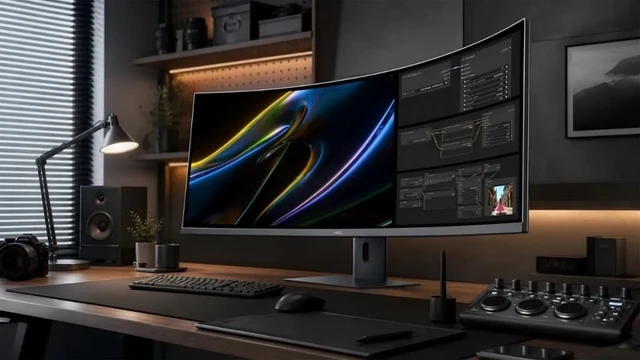 The Evolution of HKC Ultrawide Gaming Displays