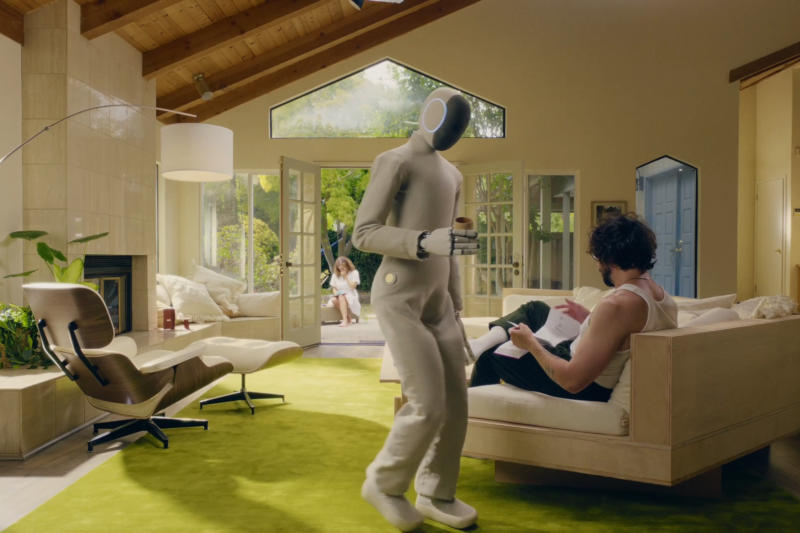
The world is captivated by showcases of humanoid robots effortlessly tidying living rooms or serving coffee. Yet, beneath the gloss of these presentations lies a profound cognitive divide: the chasm between the ability to execute a predefined algorithm and a genuine understanding of the surrounding environment. While the industry celebrates breakthroughs in motor skills, the fundamental question of true autonomy remains unanswered. The transition from rigid, scripted scenarios to genuine intelligence is currently stalled by insurmountable hurdles in safety and data scarcity.
Modern robotics is currently defined by a striking dissonance. On one hand, we are treated to a series of high-production spectacles: Tesla’s Optimus prototypes mastering the art of running, Figure 03 simulating domestic intimacy, and the offerings from AgiBot and Matrix Robotics demonstrating a polished, welcoming courtesy toward guests. Yet, a glance behind the curtain of events like the Robotics Summit reveals a cavernous gap between marketing promises and technical reality. Much of what is presented as autonomous behavior is, in fact, either the result of teleoperation or a rigid adherence to pre-programmed scripts.
To deny progress, however, would be a mistake. The primary catalyst for growth has been artificial intelligence, which has begun to solve one of the industry's oldest hurdles: object manipulation. Modern sensors and actuators have reached a level of precision where robots can not only grasp objects with confidence but also perceive the subtle haptic feedback of contact with human skin.
This leap forward has been driven by the implementation of Vision-Language-Action (VLA) models. These systems create a seamless bridge between real-time visual streams and textual instructions, allowing a machine to map a perceived object to a specific action. Parallel to this is the development of "world models" trained on colossal datasets of video. The objective here is to teach AI to predict the physical consequences of an action—for instance, understanding how an object's position will shift when squeezed or pushed.
Despite this technological optimism, the road to a truly general-purpose robot is still measured in years. Even the machines currently deployed at Hyundai or BMW plants are operating in limited trial phases and are far from being fully realized commercial products. The primary bottleneck is a critical scarcity of high-fidelity data. For a robot to operate in an unpredictable environment, it must "witness" millions of examples of human behavior—ranging from the mundane act of preparing breakfast to the intricate specifics of a textile workshop.
However, data collection is only half the battle. Unlike Large Language Models (LLMs), where an error results in a nonsensical sentence, a robotic error in the physical world can lead to actual destruction or physical injury. Integrating machines into social environments requires a level of absolute safety that remains unattainable given the inherent nature of modern AI.
The central paradox lies in the fact that VLA and world models are essentially "black boxes." They are non-deterministic: the same command under identical conditions can yield different results. Engineers attempt to impose hard-coded software constraints—such as grip force limits or proximity exclusion zones—but this does not solve the fundamental issue. Robot creators still cannot explain with absolute certainty why their creation makes a specific decision at a specific moment. It is this unpredictability that renders full autonomy on a domestic or urban scale a beautiful dream, currently confined to the pages of marketing brochures.
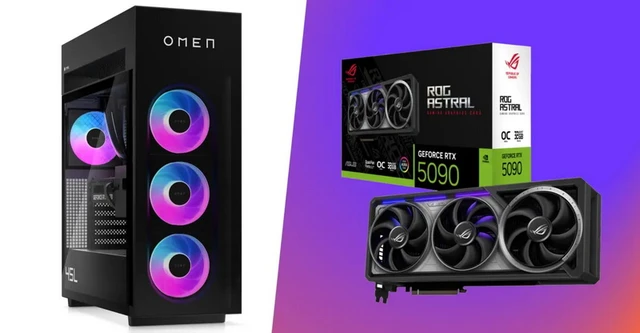 The Economic Paradox of the GeForce RTX 5090