The AI revolution is typically framed through the lens of raw compute and sophisticated algorithms. Yet, beneath this software-driven facade lies a tangible foundation: the physical infrastructure of data centers, where unforeseen fortunes are being amassed. While the global spotlight remains fixed on chipmakers, the true beneficiaries may well be lurking within the specialized niches of industrial equipment. It is here that a global redistribution of wealth is unfolding, transforming modest component suppliers into financial titans.
When discussing the primary beneficiaries of the generative AI era, Nvidia and the memory titans are the first names that come to mind. However, the modern high-tech economy operates on the principle of "selling shovels during a gold rush," and often the highest profits are captured by those providing the fundamental physical support systems. A striking example of this phenomenon is the Taiwanese company King Slide Works, whose trajectory from manufacturing furniture hardware to becoming a pivotal player in AI infrastructure seems almost improbable.
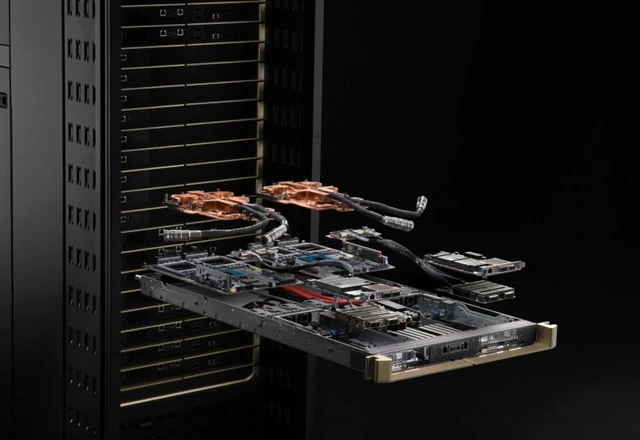
Having historically specialized in hinges and drawer slides, the company successfully pivoted its core competencies toward the production of specialized slides for server racks. Amidst the explosive demand for the compute power required to train Large Language Models (LLMs), this narrow segment evolved into a strategically critical niche. Today, King Slide Works controls approximately 80% of this market, driving phenomenal financial performance.
The dynamics of its profitability are particularly noteworthy. The company's gross margin has seen a meteoric rise, surging from 50% to 87% year-over-year. For context, even industry behemoths like TSMC and Nvidia post margins of 68% and 75%, respectively. The only player eclipsing these figures is the UK-based Arm, whose business model relies on licensing rather than physical manufacturing. Such high profitability for a hardware supplier would be virtually unattainable under normal market conditions, but the scarcity and specific nature of the current boom have created a unique opportunity.
This financial triumph has translated directly into the personal wealth of the company's founder, Lin Cong-ji. Driven by a nearly 280% surge in King Slide Works' share price since the start of the year, his net worth is now estimated at $20.2 billion. This has allowed him to surpass Terry Gou, the head of Foxconn. Despite Foxconn's status as the largest contract manufacturer of Nvidia-based server systems, Gou has proven less effective at capturing the windfall profits of the current market momentum.
Management at King Slide Works maintains that this success is neither accidental nor a stroke of blind luck; rather, it is the culmination of a twenty-year cycle of product refinement. The data center industry is seeing a steady shift toward bespoke server infrastructure, necessitating increasingly complex and specialized hardware solutions, which in turn opens further avenues for growth.
However, the market is never static. Despite maintaining its own production facilities in the U.S., the company faces the inevitable pressure of Nvidia's drive toward supply chain diversification. Dependence on a single vendor, regardless of how efficient they may be, creates risks for a global tech giant. Analysts predict this could gradually erode King Slide Works' market share to 75% by the end of next year. Even in such a scenario, the company remains a textbook example of how deep expertise in applied engineering can become the catalyst for monumental success in the high-tech era.
 The Economic Paradox of the GeForce RTX 5090