The battle for the living room has evolved beyond a mere arms race of teraflops. Today's gaming landscape is pivoting toward intelligent image reconstruction and AI-driven performance optimization. Despite its premium positioning, Valve's Steam Machine is facing intense pressure from the established titans of the console world. The integration of AMD’s FSR 4 technology is designed to bridge the divide between raw hardware throughput and perceived visual fidelity.
The contemporary market for high-performance gaming systems has reached a critical inflection point, where raw hardware power is no longer the sole determinant of quality. Positioned as a powerhouse for enthusiasts, the Steam Machine currently delivers results that are, at best, comparable to the PlayStation 5. However, with a price tag of $1,049, the device finds itself in a precarious position: Sony’s standard console—particularly the Digital Edition—costs nearly half as much, while often providing superior motion clarity and stability in various scenarios.
This lack of motion clarity is a critical flaw for a premium-segment device. While the PS5 and its Pro iteration leverage deeply optimized proprietary image processing techniques, the Steam Machine requires a technological breakthrough to justify its premium. The resolution to this conflict lies in a transition toward new scaling algorithms—shifting the focus from GPU brute force to the intelligent processing of every individual frame.
In this context, the collaboration between Valve and AMD to implement FSR 4 is less of a driver update and more of a strategic imperative. Unlike previous iterations of FidelityFX Super Resolution, the fourth version bets heavily on the full integration of artificial intelligence. By pivoting toward AI-driven upscaling and frame generation, AMD is conceptually aligning its solution with NVIDIA’s DLSS. This will enable the system to move beyond simple image stretching, effectively reconstructing missing details, minimizing artifacts, and significantly enhancing gameplay fluidity.
Valve representatives have confirmed that the integration of this toolkit is already underway. FSR 4 is expected to deliver a quantum leap in visualization, granting the Steam Machine a distinct advantage over previous-generation consoles. By leveraging AI to boost frame rates and fidelity, the device can finally realize its potential, evolving from an overpriced console alternative into a comprehensive high-tech gaming hub.
While the exact deployment timeline remains confidential, the trajectory is clear: the future of performance lies in the synergy between specialized hardware and adaptive neural network algorithms. For Valve, this is an opportunity to transform the Steam Machine from a price-controversial product into a benchmark of efficiency, where software optimization compensates for any hardware compromises.

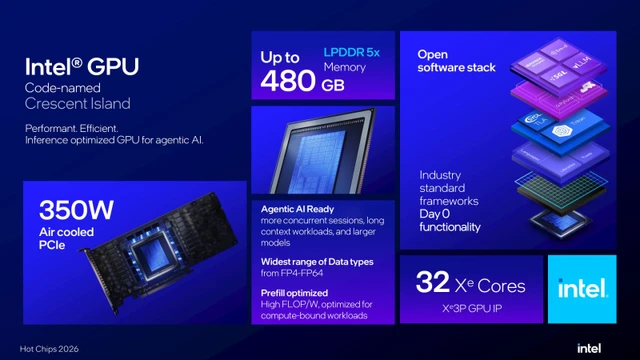 A New Memory Paradigm for AI Accelerators