The tablet market is undergoing a profound technological shift, with display quality emerging as the primary differentiator. Apple is methodically migrating its devices toward OLED panels, gradually eroding the distinction between professional-grade and consumer models. This transition inevitably necessitates a recalibration of the company's pricing strategies and product portfolio structure. Central to this evolution is a device refresh strategy now driven not only by innovation but also by the complexities of global supply chain headwinds.
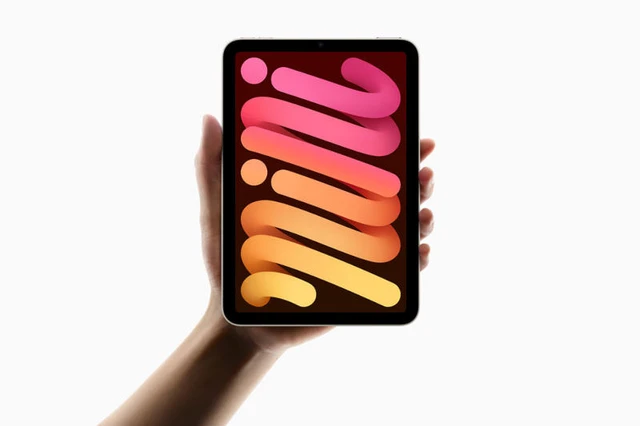
The iPad mini's product lifecycle is reaching a critical juncture. Apple is expected to unveil an updated version of its most compact tablet as early as October this year, with the pivot to an OLED display serving as the centerpiece of the upgrade. This marks the most significant overhaul for the device since its comprehensive redesign in 2021. The integration of organic LEDs will enable true blacks and infinite contrast ratios—improvements that are critical for content consumption on smaller screens, where the inherent limitations of traditional IPS panels become most apparent.
Innovation, however, comes with a price tag. The transition to OLED will inevitably exert upward pressure on the device's retail pricing. This situation is further complicated by a broader trend of price hikes across Apple's entire product ecosystem, a pattern already evident as of June. These cost increases are driven not only by more expensive components but also by systemic volatility within global supply chains. Specifically, shortages of memory modules have become a significant production bottleneck, and according to company leadership, this instability may persist for the foreseeable future. Consequently, the new iPad mini will be more expensive than its predecessor not merely because of the display, but due to the prevailing market dynamics of the semiconductor industry.
Concurrent strategies are taking shape for the rest of the lineup. The base-model iPad and the Air version are expected to arrive early next year. For the standard model, development will follow an incremental evolutionary path: the device will receive an updated processor to boost performance, while its aesthetic profile remains largely static. The primary focus here is internal optimization, ensuring the device remains accessible to the entry-level market.
In the long term, Apple intends to broaden the deployment of OLED technology, eventually extending it to the iPad Air series. This approach will allow the company to establish a clear hierarchy based on performance tiers while maintaining a high standard of visual experience across all user categories. The culmination of this refresh cycle will be the spring release of the new iPad Pro and Apple Pencil, which traditionally serve as the flagship showcase for the company's most advanced engineering feats.
 The Horizon of China's Technological Sovereignty in Lithography