The global personal computing market has encountered a paradoxical inflection point. While supply chains are gradually stabilizing, the cost of critical semiconductor components continues its steep ascent. This is creating acute tension between manufacturer margins and the purchasing power of the end consumer. The industry is pivoting toward a new pricing paradigm, one where the cost of raw hardware is beginning to dictate the rules of engagement.
Current market analysis from TrendForce reveals a complex, contradictory trajectory. By the third quarter of 2026, processor supply chains have seen a marked improvement, allowing vendors to stabilize their manufacturing pipelines. However, this positive momentum is being neutralized by an aggressive surge in component pricing. Consequently, while global laptop shipments in 2026 are showing a 9.4% year-over-year decline, the figures remain more resilient than previous pessimistic forecasts suggested.
Of particular note is the fundamental shift in demand seasonality. The traditional sales peak in the second half of the year is giving way to a more balanced distribution; the first half of 2026 is expected to account for approximately 53% of total shipments. This paradigm shift implies that the market deceleration will begin much earlier—hitting as early as the third quarter—which fundamentally alters the strategic planning for major industry players.
To grasp the scale of the challenge, one must examine the evolution of the bill of materials (BOM) for a typical device. As a benchmark, consider a mainstream model with a recommended retail price (MSRP) of $900 in the first quarter of 2025. During that period, the core component stack—comprising the CPU, DRAM, and SSD—accounted for roughly 45% of total component costs. By the third quarter of 2026, however, this share has skyrocketed to 68%. Such a sharp spike demonstrates how aggressively semiconductor inflation is reshaping cost structures.
The relentless quarterly climb in silicon and memory pricing is exerting direct pressure on brand gross margins. Quantitative modeling reveals a sobering trend: to maintain previous margin levels, a manufacturer would have to increase the price of that same laptop by nearly 80%. In essence, a device that once cost $900 would need to be priced at approximately $1,600 under current market conditions. This transforms isolated component price hikes into a systemic and sustained escalation of retail pricing.
In the immediate term, the market may not feel the full impact of this blow. Manufacturers continue to employ aggressive positioning, leaning on several factors: fierce competition for market share, the rollout of new product lines, and, most critically, the utilization of legacy inventory purchased at older, lower price points. This temporary buffer allows brands to suppress price hikes for the end-user, effectively subsidizing the cost of devices through past investments.
However, this resource is finite. As low-cost inventories are depleted, the "price shield" will vanish, and laptop pricing will begin to reflect current processor and memory spot prices directly. The industry will then face a stark choice: either pass the fiscal burden onto the consumer—inevitably triggering a drop in demand—or accept a contraction in profitability. This delicate balance between consumer affordability and corporate fiscal sustainability will be the defining factor for the market's evolution in the coming years.

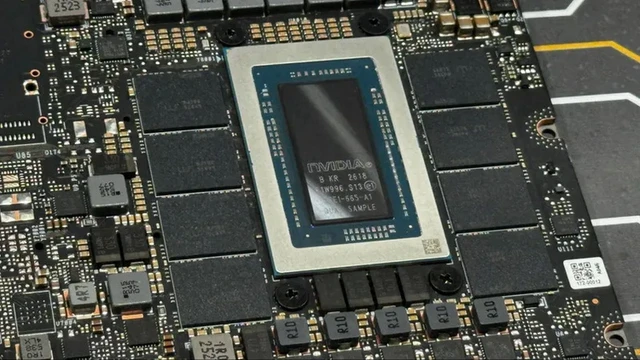 Nvidia N1X and the New Era of Arm PCs