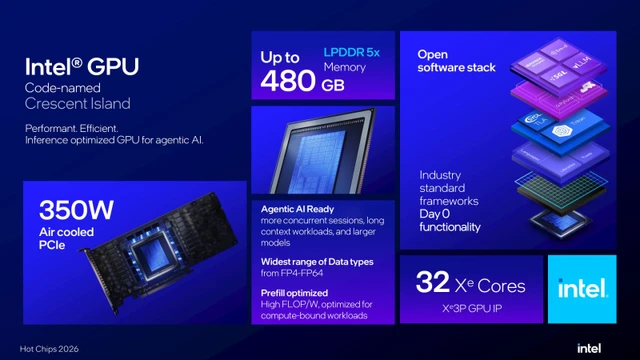
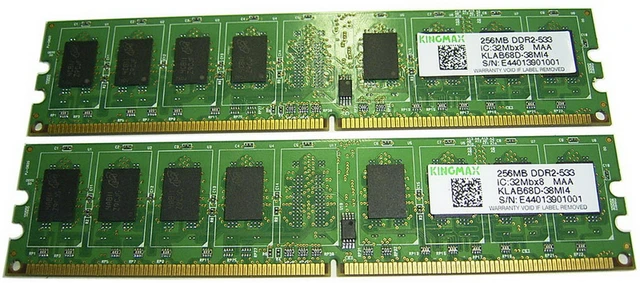
The modern high-tech industry, in its relentless pursuit of the future, has suddenly collided with a severe legacy crisis. As the global AI boom diverts critical resources toward the production of ultra-high-bandwidth memory (HBM), legacy DRAM standards are being pushed into a state of profound obsolescence. This has created a paradox: DDR2 modules, technology dating back two decades, are once again becoming scarce and prohibitively expensive. In a desperate bid for survival, electronics manufacturers are being forced into a state of technological regression, redesigning contemporary hardware to accommodate standards from a bygone era.
The global semiconductor market is currently undergoing a paradoxical transformation. While the world is captivated by neural networks and quantum computing, a quiet drama is unfolding around "mature" process nodes. The three dominant DRAM players, pivoting their entire capacity to meet the colossal demand for High Bandwidth Memory (HBM) and AI-driven server infrastructure, have effectively abandoned legacy standards. This strategic shift has created a supply void for DDR4 and earlier generations, triggering a chain reaction across global supply chains.
The result has been a sharp and disruptive price surge. According to TrendForce analytics, the DDR2 market—long considered obsolete—is experiencing anomalous growth. Following a significant price hike in the first quarter, contract prices for this memory could climb another 55–60% during the second quarter, with a further 35–40% increase expected by the third. Such dynamics are transforming outdated components into a form of "digital gold" for those whose operations depend on them.
In this climate, the primary burden has fallen on Taiwanese manufacturers such as Nanya and Winbond. Yet, they are in no rush to rescue the legacy component market. With demand vastly outstripping supply, vendors have begun aggressive portfolio pruning. The least profitable solutions are being phased out, and production lines are being repurposed for higher-margin products, such as LPDDR4 and DDR4.
The struggle within the narrow DDR2 segment is particularly noteworthy, where Winbond and ESMT remain the key players. Winbond is systematically scaling back its production of legacy memory in favor of more modern, lucrative standards. This has created a perfect opening for ESMT, which intends to seize the vacated niche and ramp up production to monopolize a segment that should have vanished from the industry long ago.
The most alarming consequence of this shortage is a forced technological regression. Faced with an inability to procure sufficient volumes of modern memory, OEM and ODM manufacturers have begun redesigning their device architectures. The industry has seen documented instances of "downgrading": products originally engineered for DDR4 are being redesigned for DDR3, while DDR3-based systems are being adapted to run on DDR2. To keep final product costs within reasonable limits, companies are also slashing total installed memory capacity.
Ultimately, the race for artificial intelligence has produced an unexpected side effect: the pursuit of ultra-modern computing is literally forcing a segment of the industry back into the era of two decades ago.
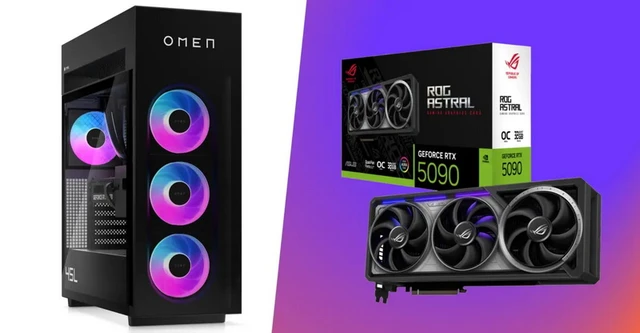 The Economic Paradox of the GeForce RTX 5090