The boundary between mobile devices and traditional workstations is increasingly blurring. Modern chipsets now possess a surplus of computational power, allowing smartphones to shoulder the workload typically reserved for entry-level laptops. This trend is manifesting in bespoke engineering solutions that transform the smartphone into a centralized hub for productivity and data management. A project leveraging the Google Pixel 9 demonstrates how the synergy between modular hardware and open-source software is redefining the conventional concept of the mobile office.
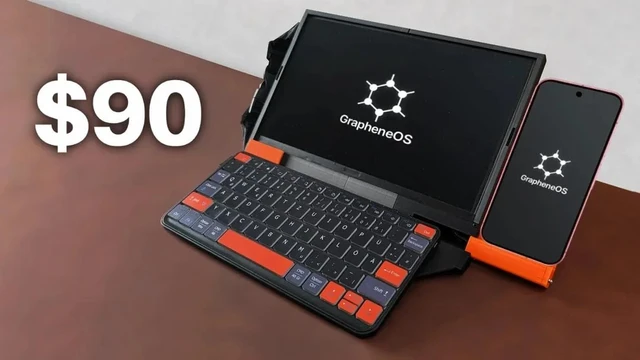
The concept of evolving a smartphone into a fully functional workstation has transitioned from futuristic speculation to tangible reality. Central to the Lapdock architecture is the utilization of "desktop mode," which projects an interface mirroring traditional desktop operating systems. The software layer is pivotal here: deploying GrapheneOS not only elevates privacy and security benchmarks but also streamlines the orchestration of external peripherals. In this configuration, the smartphone transcends its role as a mere signal source, effectively serving as the system's central processing unit while retaining its own display as an auxiliary screen.
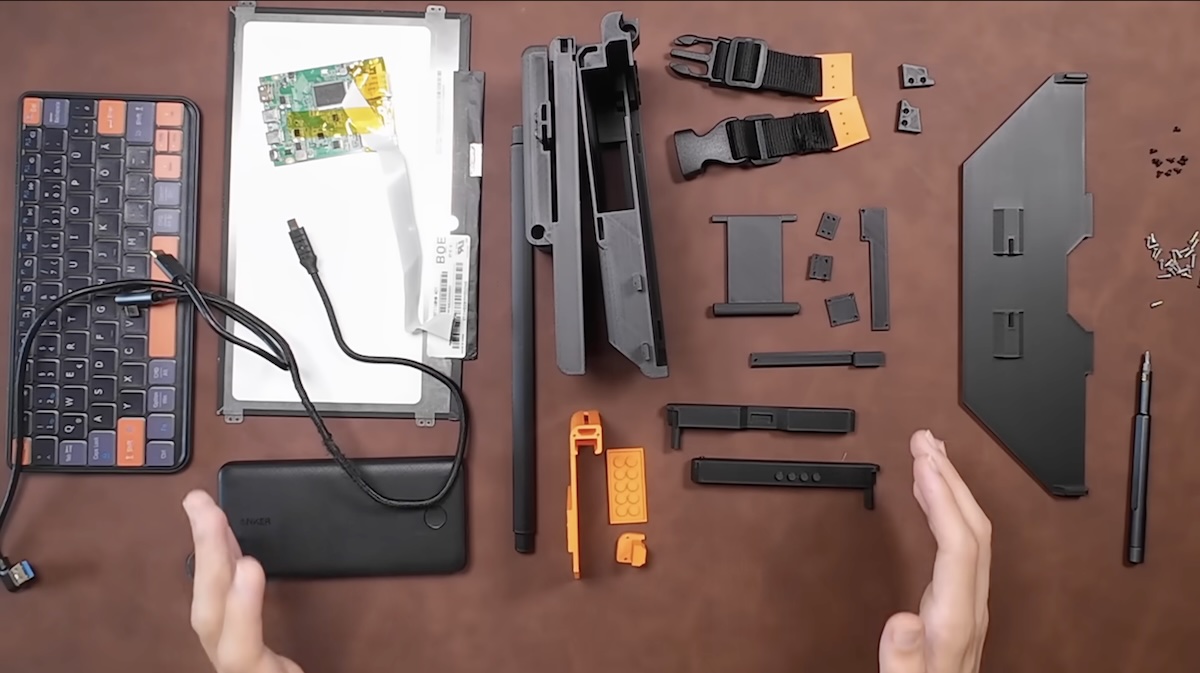
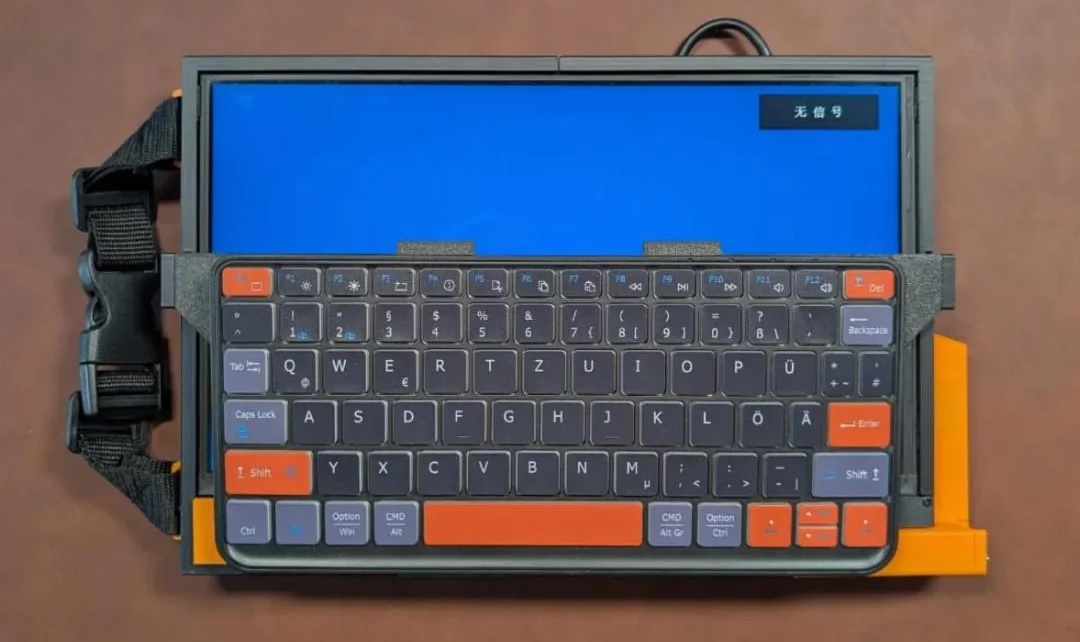
The project’s evolution has seen it transition from a rudimentary docking station into a comprehensive portable terminal. The final iteration boasts refined ergonomics: a 3D-printed chassis that integrates an external display, a control hub, a dedicated battery, and a suite of essential interfaces, including USB-C and HDMI ports. Portability was a primary design driver—the detachable keyboard locks onto the screen for secure transport, while a dedicated Bluetooth mouse compartment and a shoulder strap mount transform the device into a truly autonomous mobile terminal.
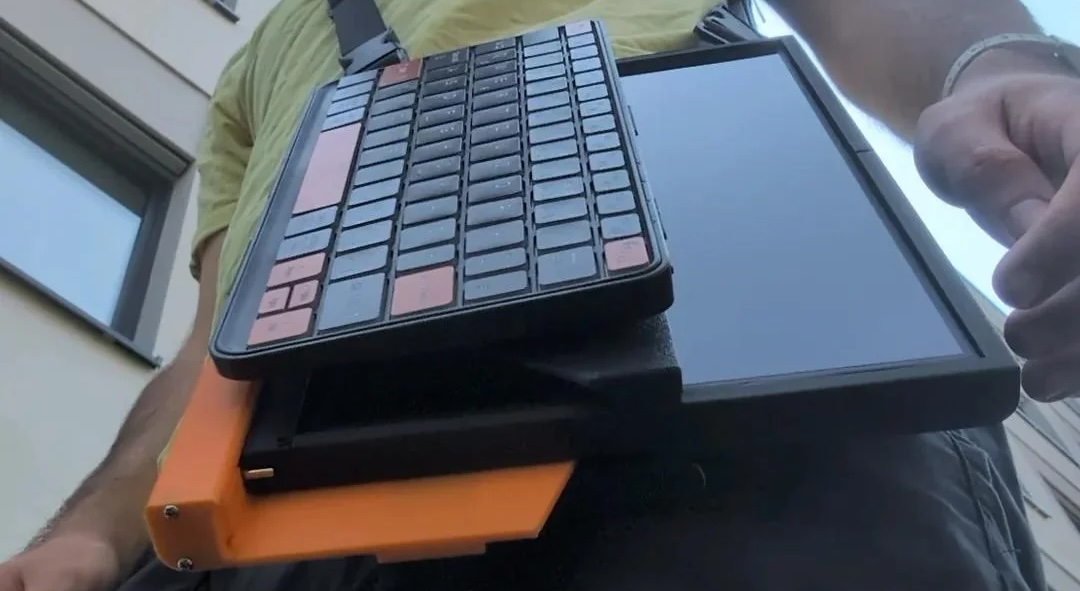
The technical merit of this approach lies in its inherent modularity. The ability to swap individual chassis components or upgrade hardware without overhauling the entire ecosystem renders the Lapdock a highly flexible tool. Yet, the most compelling argument for this architecture is philosophical: modern flagship smartphones have long since surpassed the baseline performance requirements of standard office laptops.
This represents a radical paradigm shift in technological consumption. The user no longer needs to invest in two disparate devices. The smartphone emerges as the sole computational nucleus; consequently, every subsequent handset upgrade automatically translates into an upgrade of the entire workstation. Thus, mobility and raw processing power converge in a single ecosystem where the physical hardware serves merely to augment the capabilities of the silicon.
 The Strategic Alliance of Nvidia and MediaTek