In an era of pervasive digitalization, the boundary between childhood and screen addiction has become alarmingly thin. Today's parents are increasingly seeking ways to shield their children from the cognitive overload induced by social media and the relentless torrent of digital content. The rise of devices with intentionally limited functionality signals a strategic pivot back to the purity of voice communication. Pinwheel’s latest offering seeks to resolve this paradox, blending the nostalgic aesthetic of a landline telephone with contemporary networking capabilities.
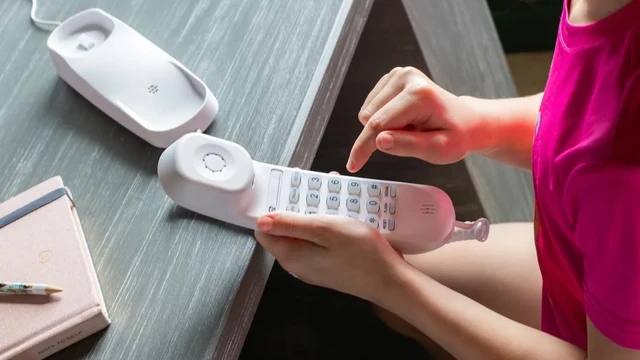
The modern consumer electronics market is experiencing a curious yet inevitable resurgence: the era of multifunctional gadgets is giving way to a concept of "intentional limitation." In this context, the debut of Pinwheel Home feels less like a mere product launch and more like an attempt to redefine the very paradigm of childhood communication. The device is a contemporary interpretation of the classic home telephone, designed specifically for children aged 5 to 10. It serves as a digital communication "sandbox," allowing children to master basic connectivity skills without being exposed to the toxicity and noise of the modern internet.
The core philosophy of the product lies in the total elimination of distractions. Pinwheel Home offers no ability to send text messages or endlessly scroll through social media feeds—features that, in modern smartphones, often become primary drivers of dopamine addiction. Instead, the focus is shifted exclusively toward voice calls, fostering the development of authentic interpersonal interaction and more meaningful one-on-one communication, where a child learns to articulate thoughts and listen to a counterpart without algorithmic mediation.

Aesthetically, the device mimics the look of a traditional landline, yet beneath the surface lies a modern technological foundation: the phone operates via Wi-Fi. The lineup consists of two models—the Spark and the Classic, priced at $68 and $79, respectively. Designers have provided a palette catering to various preferences, ranging from understated black and white to more expressive shades of blue, purple, and pink.
However, the true value of the device resides in its parental control system, which transforms the phone from a simple communication tool into an instrument for cultivating digital hygiene. Parents maintain full authority over contact lists, can block spam and automated calls, and strictly govern communication windows through scheduling. This allows the gadget to be integrated into the child's daily routine without becoming an all-consuming activity.
In the long term, Pinwheel aims to build a comprehensive ecosystem. Plans include the implementation of three-way calling and deep integration between the home phone and the brand's smartwatches and smartphones. The ultimate goal is the creation of a unified digital identity, allowing a child to use a single number across different devices depending on their age and the situation.
In the North American market, Pinwheel Home enters into head-to-head competition with Tin Can, a similar solution that has already gained significant traction in the US and Canada. The product's business model is built on flexibility: free calls between devices are facilitated via the Pinwheel Circle app, while full access to standard telephony networks is available through subscription plans starting at $7 per month.
This trend toward "simplifying" technology is driven by serious concerns within the scientific community. Recent research increasingly links emotional instability and social challenges among minors to excessive screen time. Of particular concern is the impact of social media on cognitive development; data indicates a direct correlation between content addiction and stunted vocabulary growth in children. Consequently, the return to the voice-phone format is not merely a fashionable retro trend, but a necessary tool for protecting the mental health of the rising generation.
 The Power Shift at Apple