The race for AI supremacy has evolved into a high-stakes battle for computational power. Today, cutting-edge hardware has emerged as the primary strategic asset, dictating both the velocity and the efficacy of training next-generation neural networks. By engineering massive infrastructure hubs, SpaceX is effectively positioning itself as a critical provider for the industry's most ambitious players. Its latest agreement with Reflection AI underscores a burgeoning trend: the acceleration of open-source models backed by unprecedented levels of capital.
While SpaceX pursues its ambitious vision of deploying computational systems directly in orbit, the company is aggressively monetizing its terrestrial assets. SpaceX's infrastructure is evolving into a "digital hub" for both tech titans and disruptive startups. Joining a roster of tenants that already includes heavyweights like Google, Anthropic, and Cursor is Reflection AI. Under the terms of the agreement, starting in July, the startup will pay SpaceX $150 million per month for access to the resources of the Colossus 2 supercomputing center.
Financially, the scale of the deal is impressive, though it remains modest compared to contracts with the industry's largest corporations. Should the partnership extend through 2029, Reflection AI's total payments will reach $6.3 billion. For context, deals with Google and Anthropic could potentially net SpaceX up to $30 billion and $45 billion, respectively, by the middle of that same period. Nevertheless, for Reflection AI—a company valued at $25 billion—this move is a critical catalyst for achieving a major technological breakthrough.
Reflection AI's strategic trajectory is particularly noteworthy. Founded by alumni of Google DeepMind and backed by Nvidia, the startup is betting heavily on open-source models. In an era where closed ecosystems are facing increasing regulatory scrutiny and criticism over their lack of transparency, open solutions are emerging as a compelling alternative. Reflection AI's clients gain an unprecedented level of control over their models, making them more predictable and easier to tailor to specific use cases. This transparency has already enabled the company to forge close ties with U.S. government agencies, although its products are not yet available to the broader commercial market.
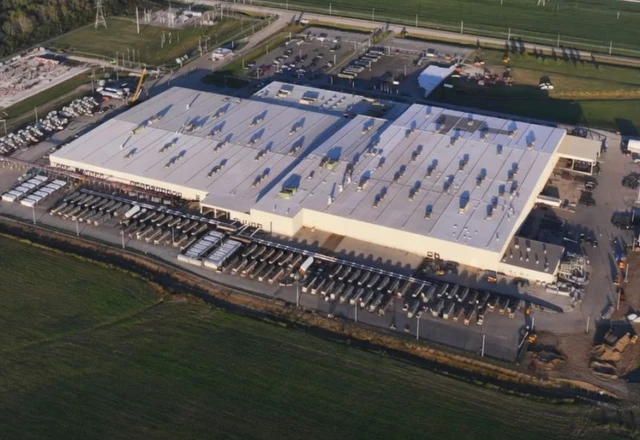
The technical bedrock of this collaboration will be access to cutting-edge Nvidia GB300 chips deployed at the Colossus 2 data center in Tennessee. Leveraging the Blackwell architecture (which encompasses the GB series chips) allows for a massive increase in performance when training large language models (LLMs), while simultaneously reducing power consumption and latency. For Reflection AI, this provides the raw power necessary to train models capable of competing with the most advanced proprietary systems.
It is also worth noting the specific legal framing of such deals within the AI industry. The contract is designed with a high degree of flexibility: after the first three months, either party may terminate the agreement with 90 days' notice. This structure reflects the extreme volatility of a market where the tech stack can be overhauled in a matter of months and development priorities can shift radically overnight.
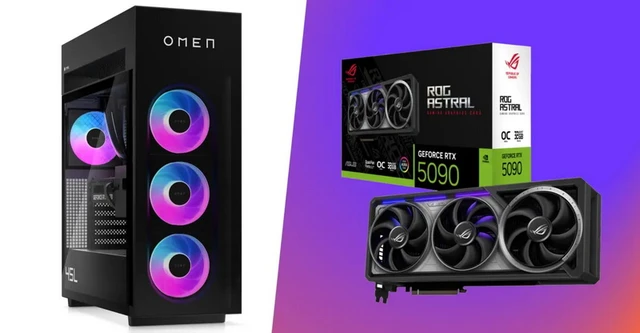 The Economic Paradox of the GeForce RTX 5090