The geopolitical rivalry between the United States and China has long since evolved beyond the realm of diplomacy, shifting decisively toward a strategy of technological containment. Among the most potent instruments of this pressure is the Pentagon’s "blacklist," a mechanism designed to sever companies' access to the U.S. market and its network of contractors. Inclusion in this registry is effectively a branding as "linked to the military-industrial complex," triggering catastrophic financial losses and irreparable reputational damage. However, a recent U.S. court ruling marks the beginning of a new chapter in this conflict, carving out a critical legal loophole for Chinese tech giants.
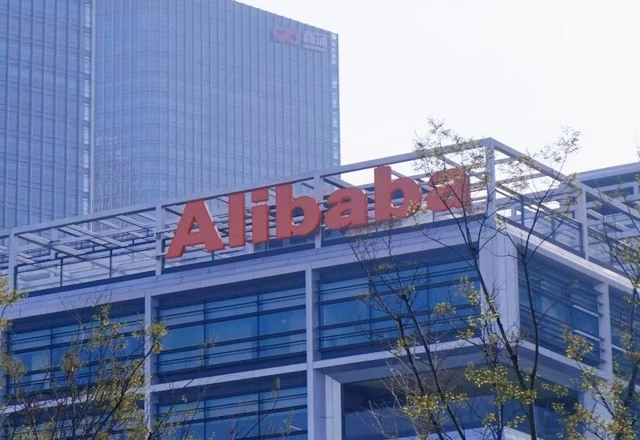
The standoff involving Alibaba was triggered when the U.S. Department of Defense designated the company as a "Chinese military company." For the Pentagon, such a label serves as a red flag for potential national security risks, effectively curtailing the ability of any American partner to engage with the firm. Alibaba categorically denied these allegations, asserting a total lack of ties to Chinese military structures, and shifted the battle to the courtroom by filing a lawsuit in the U.S. this past June.
This phase of the confrontation reached a turning point with the ruling of District Judge Yumi Lee. The court decreed that until the proceedings are fully concluded, the Pentagon is prohibited from treating Alibaba as a military-linked entity. It is crucial to note that this decision is not a permanent removal from the blacklist, but rather functions as a form of temporary "immunity." Throughout the litigation process, Alibaba retains the right to conduct its operations and collaborate with American counterparts without the restrictive burdens imposed by the "military-linked" status.
The legal mechanism of this ruling creates a strategic window of time. The primary hearing is scheduled for August 31; should the court fail to reach a final verdict by that date, the company will maintain its special status for an additional 60 days. Consequently, Alibaba has effectively bought itself time to strengthen its evidentiary base and attempt to fully exonerate itself within the U.S. jurisdiction.
This case carries immense significance for China's broader tech ecosystem. Currently, 188 Chinese firms are listed on the Pentagon's blacklist, and for most, this designation was perceived as a final verdict. However, the Alibaba case—following the earlier success of Xiaomi, which also managed to secure its removal via the courts—demonstrates that the American legal system can serve as an effective tool for rehabilitation, even amidst intense political pressure.
The situation is further complicated by the fact that the blacklist continues to expand. In June, industry titans such as Baidu and Unitree Robotics, as well as EV leaders BYD and Nio, were added to the list. Against this backdrop, Alibaba's victory may trigger a wave of similar lawsuits from other Chinese corporations seeking to regain access to Western technologies and markets. The struggle for status is now shifting from the realm of political declarations to the rigorous legal definition of what exactly constitutes a "connection to the military-industrial complex."
 Shadow Supply Chains for AI Accelerators