In the midst of the global AI arms race, the widening chasm between marketing hype and actual functionality has become a critical reputational liability. Apple, a company that has historically anchored its product philosophy in a seamless user experience, now finds itself embroiled in a significant legal battle stemming from the protracted rollout of its AI-enhanced Siri. A sweeping class-action lawsuit in the United States has cast a spotlight on the pitfalls of "premature announcement"—the practice of teasing technologies long before they are viable for mass deployment. This legal clash culminated in a multi-million dollar settlement, establishing a potential precedent that could reverberate across the entire Big Tech landscape.
A $250 million settlement is more than just a line item in a financial report; it is the price Apple is paying for the gap between its ambitions and reality. In May 2026, the company agreed to settle a U.S. class-action lawsuit stemming from one of the most anticipated updates in the history of its ecosystem: the integration of full-scale artificial intelligence into Siri. While the California court is still in the preliminary approval stage of the settlement, the trajectory is clear—Apple has acknowledged the necessity of compensating users who purchased devices based on the promise of a "smart" future.
The roots of this conflict trace back to June 2024, when Apple unveiled the concept of Apple Intelligence, promising a radical transformation of Siri. The assistant was envisioned to possess deep contextual awareness of the user, the ability to analyze on-screen activity in real time, and the capacity to seamlessly orchestrate functions within third-party applications. These capabilities were aggressively marketed across keynotes and official channels, painting a picture of a device that would effectively become the owner's intelligent partner.
However, the reality of developing sophisticated Large Language Models (LLMs) and integrating them into a closed operating system proved far more complex than the marketing department had anticipated. In March 2025, Apple was forced to officially delay the release of the personalized version of Siri. This admission served as the catalyst for the class-action suit, with consumers accusing the company of false advertising, arguing that their decision to upgrade to the latest iPhones was driven specifically by the imminent arrival of Siri AI.
Apple attempted to mitigate the fallout by highlighting other Apple Intelligence features that were already available to users. Nevertheless, to avoid protracted litigation and refocus its resources on product refinement, the company opted for a settlement.
Resolution finally arrived at WWDC 2026, where Siri AI was presented in its definitive form. Currently, the updated assistant is available in the iOS 27 developer beta. The full public release is scheduled for September, after which AI capabilities will be accessible to owners of the iPhone 15 Pro and subsequent models.
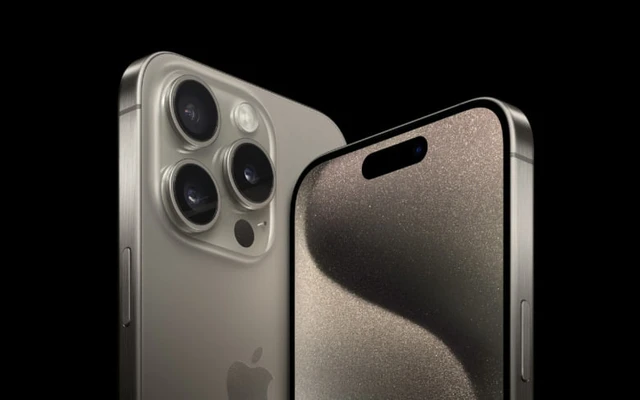
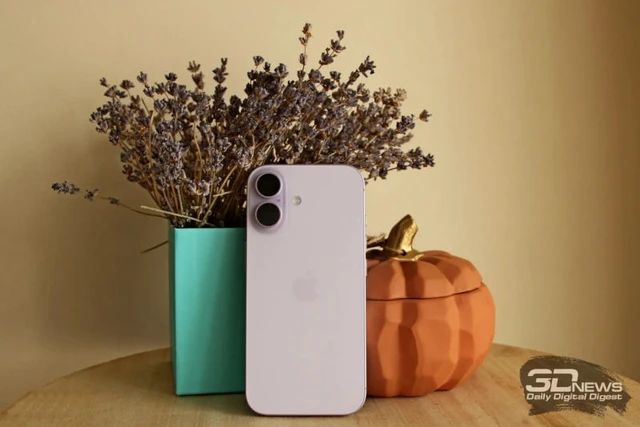
The compensation framework will be targeted. Eligibility is restricted to U.S. residents who purchased specific iPhone models between June 10, 2024, and March 29, 2025. Eligible devices include the iPhone 15 Pro and Pro Max, as well as the entire iPhone 16 lineup—including the base model, Plus, Pro, Pro Max, and the 16e.
The financial terms of the agreement stipulate a payment of $25 per device. However, this amount could increase to $95 if the number of claims is lower than projected. To claim the funds, users will likely need to provide proof of purchase or a device serial number via a dedicated portal, which is expected to launch in the coming months.
This case underscores a new reality in the tech market: in the era of AI hype, consumers and regulators are no longer treating "roadmaps" as mere suggestions. A promise of a feature arriving "soon" can now translate into multi-million dollar losses for a corporation if the actual release is delayed.
 iPhone 17: Dominating the Global Market