The concept of flying cars is definitively transitioning from the realm of science fiction into the rigorous domain of regulatory planning. A global urban mobility crisis, compounded by chronic congestion in megacities, is compelling aviation authorities to fundamentally rethink the principles of airspace management. Texas has emerged as the primary proving ground for the deployment of electric vertical takeoff and landing (eVTOL) systems. This experiment is designed to determine whether autonomous aerial transport can be seamlessly integrated into the fabric of everyday urban life.
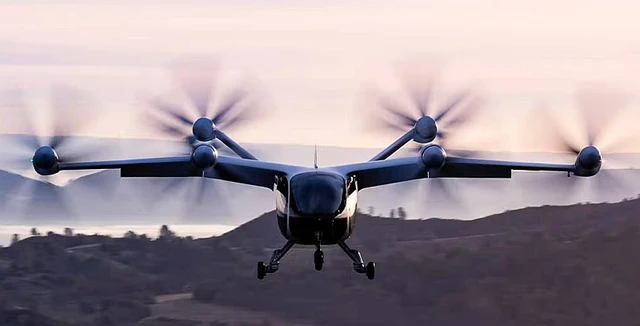
Traditional aviation is entering a new chapter with the emergence of Advanced Air Mobility (AAM). At the heart of this movement are eVTOL (electric Vertical Take-Off and Landing) aircraft, which blend the vertical lift capabilities of a helicopter with the cruise efficiency of a fixed-wing aircraft, powered exclusively by electric propulsion. Texas authorities have officially sanctioned large-scale trials of these systems—including hybrid and fully autonomous models—effectively clearing the path for the commercialization of urban air mobility.
The defining characteristic of the current phase is that testing is commencing ahead of final regulatory approval. This is a bold strategic move, allowing regulators to develop frameworks "on the fly," relying on empirical data rather than theoretical models. As part of a Federal Aviation Administration (FAA) pilot program, eight regional projects were selected, and Texas has become the first site to launch flights featuring industry leaders such as Joby, Beta, and Wisk.
The technical scope of these trials extends beyond mere flight performance. The primary focus has shifted toward integration with air traffic control (ATC) systems. Operators plan to fly routes between cities and regional hubs, including Dallas/Fort Worth International Airport. At this stage, the aircraft are unmanned; the priority is stress-testing the infrastructure and evaluating how existing aviation traffic adapts to the influx of low-altitude electric vehicles.
The primary bottleneck to mass-market adoption remains type certification. This is an exhaustive process of verifying the safety and reliability of every single component—a cycle that, in traditional aviation, can span decades. To accelerate this timeline, Washington has initiated a program allowing developers to collect real-world telemetry and systems behavior data. Consequently, flight data is becoming the empirical foundation for future legislation designed to ensure the safety of millions within dense urban environments.
The transition to electric propulsion is not merely an environmental imperative, but an economic one. Lower operational expenditures compared to helicopters, coupled with a significant reduction in noise pollution, make air taxis a viable product for the mass consumer. These systems are expected to radically decongest ground arteries by creating a multi-layered transportation ecosystem.
While isolated proof-of-concept flights have already taken place—such as Joby’s demonstration route from Lower Manhattan to JFK Airport—the current initiative represents a fundamental shift in status. This is a government-backed program spanning several states, including New York, Florida, Louisiana, and Pennsylvania. Texas, leveraging its robust infrastructure and deep aerospace heritage, is positioning itself as the primary hub of this new era in American aviation, where autonomous control and electric energy will permanently redefine the concept of spatial mobility.
 Safeguarding South Korea's Technological Leadership