The modern paradigm of mobility is rapidly evolving from a fragmented array of hardware into a cohesive lifestyle ecosystem. While the industry anticipates the arrival of fully realized, high-tech electric bicycles, certain brands are returning to the fundamentals—the mastery of balance and coordination. Tesla’s foray into the children's balance bike market may appear to be an understated move, yet it reveals a calculated strategy to cultivate brand loyalty from the earliest possible age. This product serves as a child's primary tactile touchpoint with the brand’s philosophy, weaving the act of learning to ride into the broader family narrative.
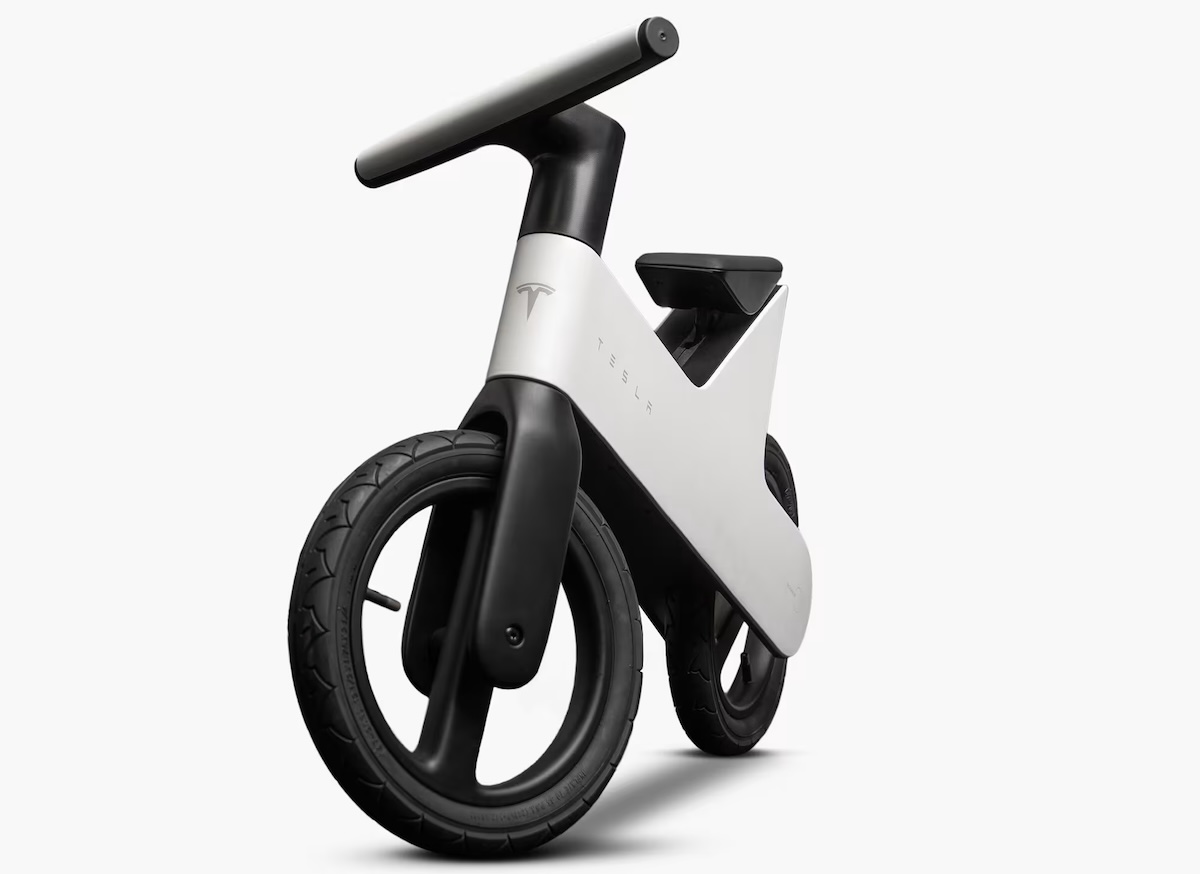
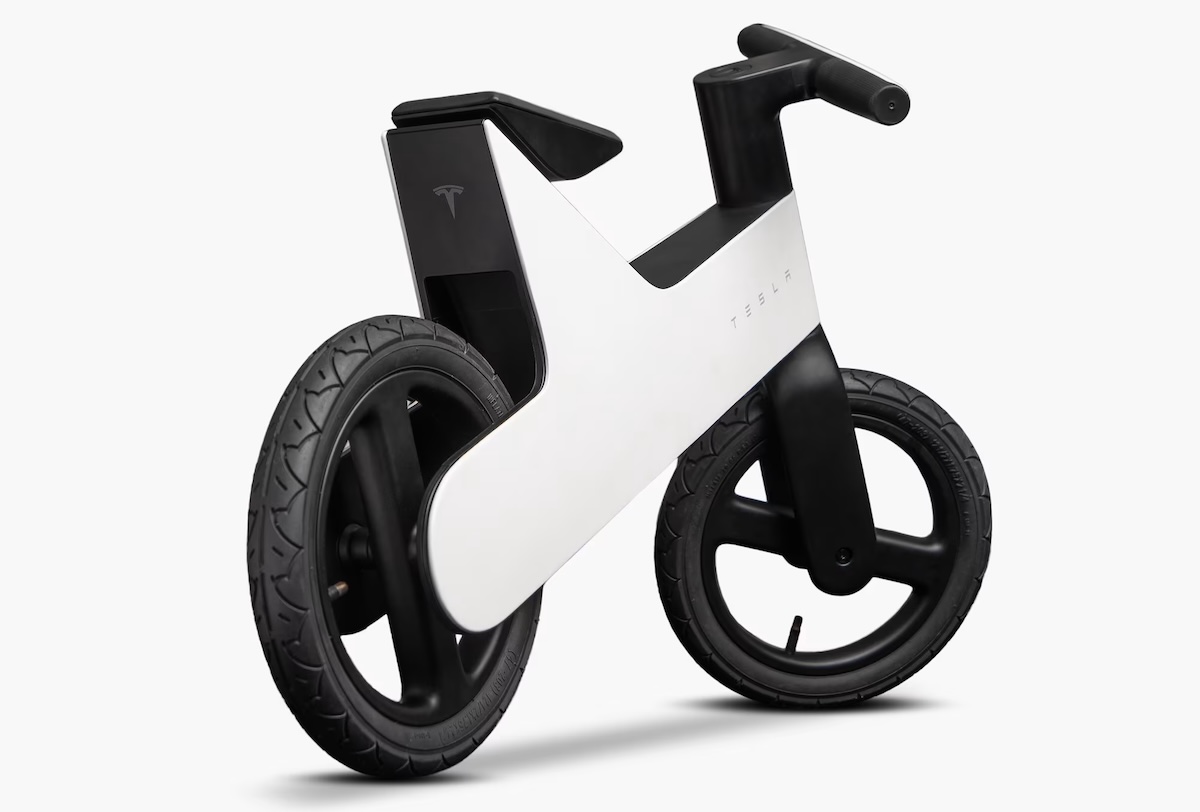
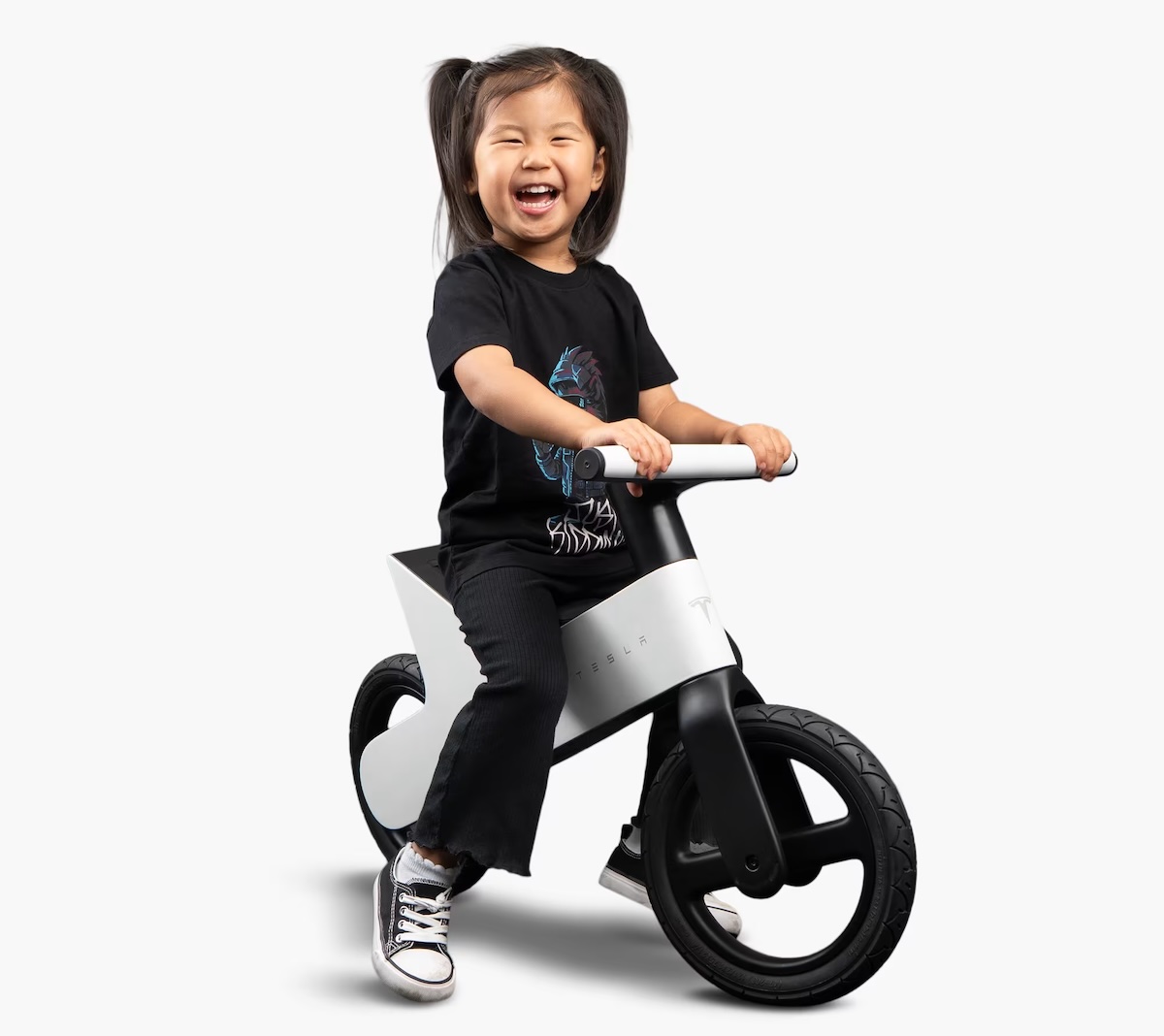
Tesla is broadening its footprint in the micro-mobility landscape with the introduction of the Balance Bike, a pedal-less trainer tailored for children aged two to five. By stripping away pedals and drive mechanisms, the device focuses on the fundamental skill of two-wheeled equilibrium, significantly streamlining the eventual transition to a conventional bicycle.
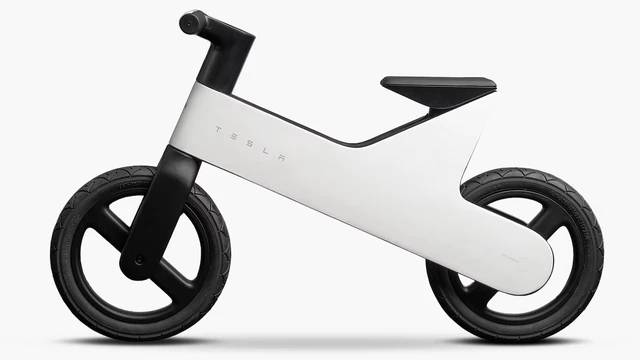
The engineering specifications underscore the company's commitment to weight optimization and structural integrity. The frame is crafted from a magnesium alloy, ensuring the bike remains lightweight yet resilient against mechanical wear. To accommodate a child's growth, the seat features five adjustable height levels. The brand’s minimalist aesthetic is strictly maintained, featuring subtle Tesla lettering on the frame and the iconic "T" logo on the front. Ergonomically, the device is optimized for users with a minimum leg length of 35 cm and a maximum weight capacity of 35 kg.
From an economic perspective, the release has sparked mixed reactions. Retailing at $225, the Balance Bike sits well above mass-market averages, where similar models typically range from $50 to $120—for instance, the magnesium-framed Hornit Airo is available for approximately $73. However, within the premium segment, Tesla's pricing strategy appears more calculated. High-end training tools such as the Woom 1 or Strider 14x Sport are priced between $220 and $250, positioning Tesla alongside the established leaders of children's transport.
This launch serves as a response to years of anticipation from the brand's community. Rumors regarding a full-scale electric bicycle, codenamed "Model B," have circulated for nearly as long as Tesla has been producing EVs. Despite Elon Musk’s periodic skepticism regarding the project's viability, market demand remains potent. Industry surveys indicate that consumers see significant potential in integrating two-wheeled electric transport into the broader Tesla ecosystem.
The trend of automotive manufacturers pivoting toward micro-mobility has become a global phenomenon. Porsche, BMW, Polestar, and Mercedes-Benz have long transcended traditional car manufacturing to offer high-tech e-bikes. For these marques, such ventures are not merely about product diversification; they are strategic moves to capture the "last mile" niche and curate a seamless urban mobility experience. By starting with a children's balance bike, Tesla is effectively laying the groundwork for the future expansion of its transport portfolio.
 Stratospheric Platforms for Global Coverage