For too long, the autonomous vehicle industry has been shackled by legacy paradigms of safety and control. However, the issuance of the first official authorization for commercial operations in vehicles devoid of steering wheels is a genuine game-changer. This regulatory milestone paves the way for a fundamental reimagining of the interior cabin—a space where the passenger is finally liberated from the role of the "fallback driver." Zoox’s technological optimism is now transitioning from visionary ambition to tangible market scale and legal legitimacy.
The transition from driver-assistance systems to full autonomy has long been stalled by a single critical bottleneck: the necessity of a physical control interface for emergency interventions. For years, even the most advanced autonomous vehicles retained steering wheels and pedals, effectively confining the concept of the "robotaxi" within the traditional architecture of a conventional car. This paradigm shifted when the U.S. National Highway Traffic Safety Administration (NHTSA) granted Zoox, an Amazon-owned venture, authorization for the commercial operation of vehicles designed from the ground up without any traditional manual controls.
This milestone was made possible by a pivot in regulatory procedures introduced in 2025. U.S. authorities recognized that rigid legacy standards were stifling innovation in robotic transport and subsequently implemented a flexible certification mechanism. Companies can now demonstrate their technologies on public roads without waiting for a comprehensive overhaul of federal vehicle design laws. For Zoox, this marks the transition from closed-circuit testing to a full-scale commercial enterprise; the company has received provisional approval to deploy a fleet of up to 2,500 vehicles per year over the next two years.
Crucially, the nature of this authorization is not a simple "green light," but rather an adaptive oversight framework. This means that safety requirements will evolve in lockstep with advancements in AI algorithms and onboard sensor suites. Such an approach minimizes systemic risk while maintaining a high velocity of innovation.
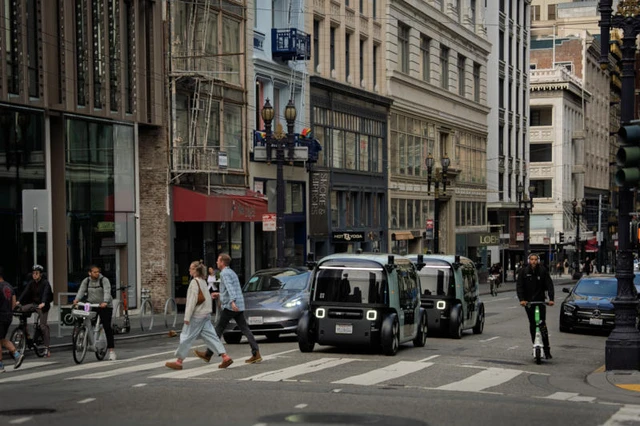
Zoox’s expansion strategy targets primary technological and tourism hubs. The first fully commercial, paid rides became available to residents and visitors of Las Vegas in 2025. With its unique road structure, the city served as an ideal proving ground for the company's commercial model. Simultaneously, operations continue in San Francisco, although the specific timeline for launching paid services in California remains confidential.
In the near term, Zoox envisions a sweeping expansion of its footprint, with plans to enter the markets of Dallas, Phoenix, Austin, and Miami. Over the two-year duration of its permit, Zoox intends to transform the "driverless car" from a futuristic experiment into an everyday urban utility, fundamentally redefining the paradigm of city mobility.
 Solid-State Batteries are Changing the Game