Modern operating systems project an aura of absolute security, predicated on rigorous signature verification and trusted certificate frameworks. Yet, the emergence of the CrashStealer infostealer demonstrates that even Apple’s walled garden remains susceptible to sophisticated social engineering tactics. By exploiting the inherent trust users place in system interfaces, the malware secures comprehensive access to sensitive data. This incident underscores a systemic vulnerability: an over-reliance on the perceived validity of developer certificates as the primary bastion of security.
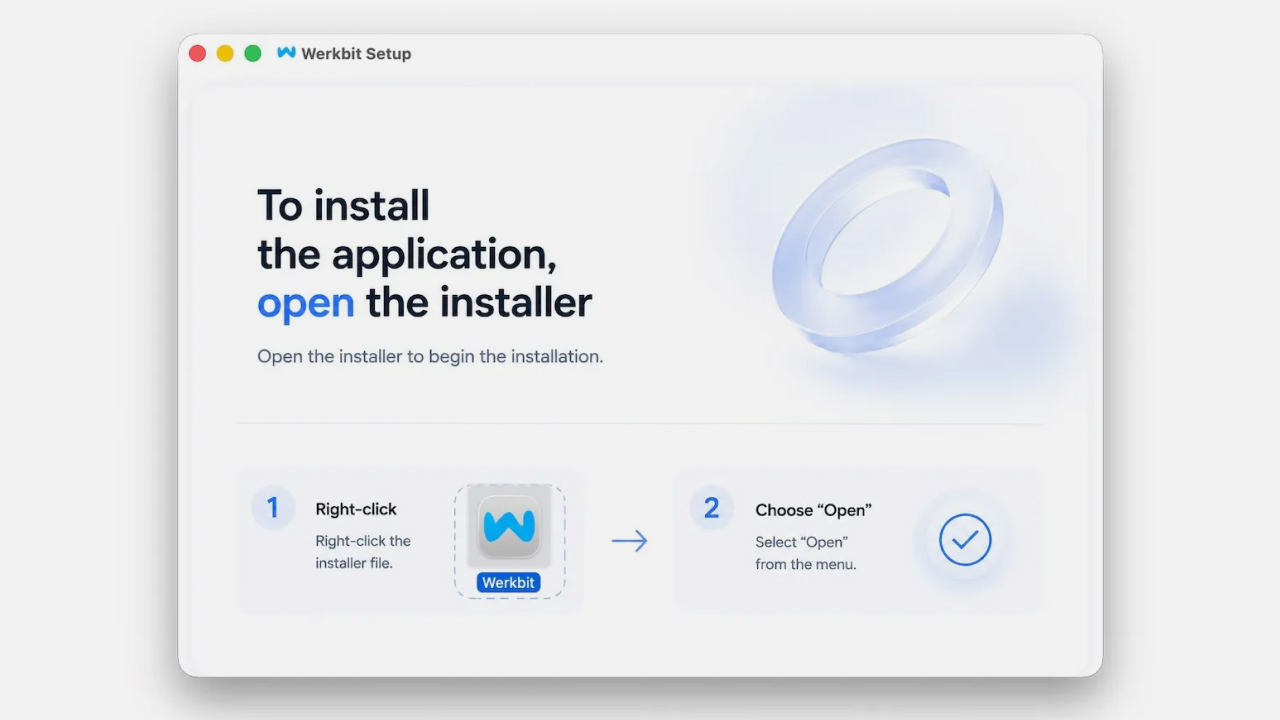
The infection chain begins with a disk image dubbed "Werkbit Setup." The potency of this attack vector lay in the fact that the application was signed with a valid developer certificate. This allowed the malware to seamlessly bypass Gatekeeper—macOS's primary sentinel designed to block unsigned software. In a cruel irony, the very security mechanism intended to protect the user became the instrument used to legitimize the threat.
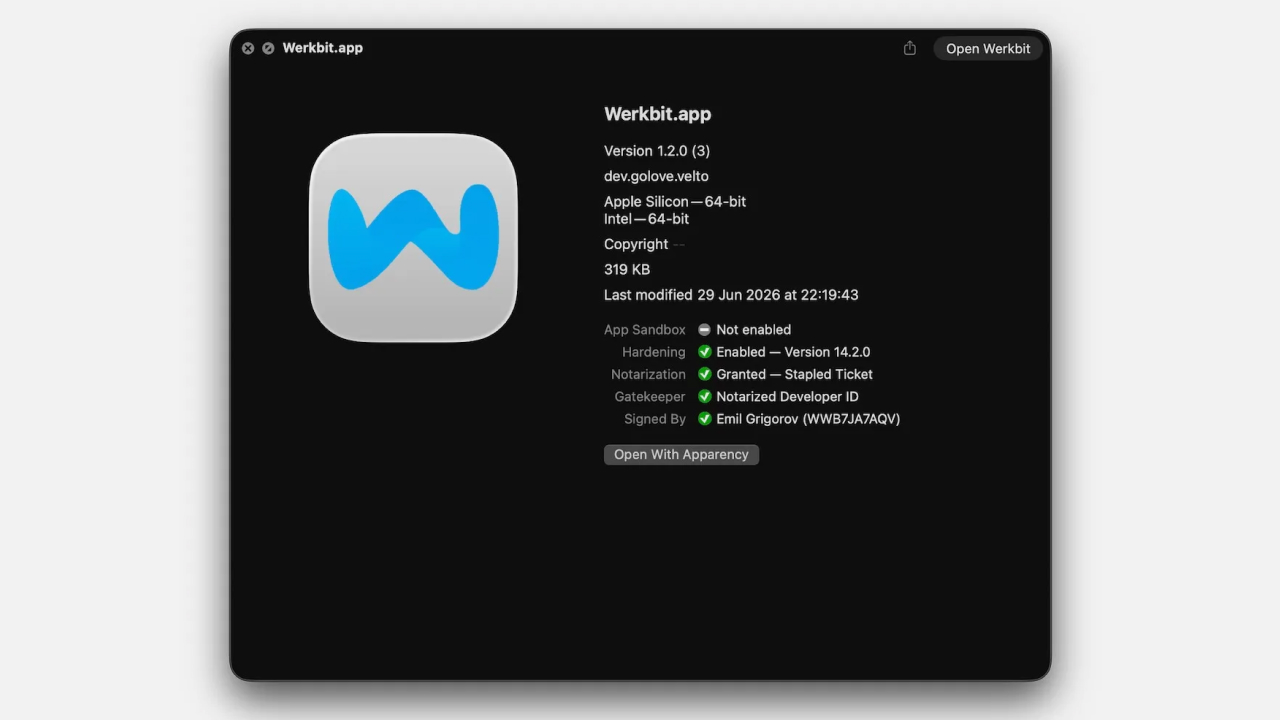
Following the initial installation, Werkbit orchestrates the deployment of a full-scale espionage infrastructure by downloading additional components from a remote server. A pivotal element in this process is the "CrashReporter" process, which executes in the background. The attackers demonstrated meticulous attention to detail: the malware completely mimics the identifiers, icons, and naming conventions of legitimate Apple system components to remain invisible to the user within system monitoring tools.
The primary phase of data acquisition relies on psychological manipulation. A window appears before the user—visually identical to a standard macOS system prompt—demanding the account password. The program leverages native operating system utilities to verify the entered credentials, cycling the request until the victim provides the correct combination. Once the password is compromised, "CrashStealer" immediately unlocks the Keychain and requests extended access to the disk's file system.
Once inside, the malware launches an extensive operation to harvest digital assets. It scans data from popular browsers—including Chrome, Brave, Edge, Opera, Vivaldi, and Firefox—and analyzes installed extensions. Particular emphasis is placed on password managers; targets include 1Password, Bitwarden, LastPass, Dashlane, Keeper, KeePassXC, and NordPass. Simultaneously, the stealer hunts for cryptocurrency assets, with approximately 80 references to various crypto wallets discovered within its code. The "cleanup" cycle concludes by scanning the Documents and Downloads folders for high-value files.
The technical execution of data exfiltration is handled with professional precision. All gathered intelligence is aggregated in a hidden directory: ~/.cache/com.apple.crashreporter/. To protect the intercepted data, the malware employs AES-256-GCM encryption via Apple's CommonCrypto system library. After packaging the data into ZIP archives, it is transmitted to the attackers' server using the libcurl library, with the command-and-control (C2) server's IP address hardcoded into the application configuration.
The response to the threat was swift: following an analysis by Jamf Threat Labs, Apple revoked the developer certificate used to sign Werkbit. Consequently, Gatekeeper now blocks this specific version of the installer. However, this measure only addresses a fraction of the problem. The underlying logic of CrashStealer remains intact, and attackers can easily bypass this blockade by acquiring a new certificate or integrating the stealer into other legitimate software. This highlights a systemic vulnerability: trust in a digital signature is not a guarantee of the code's actual security.

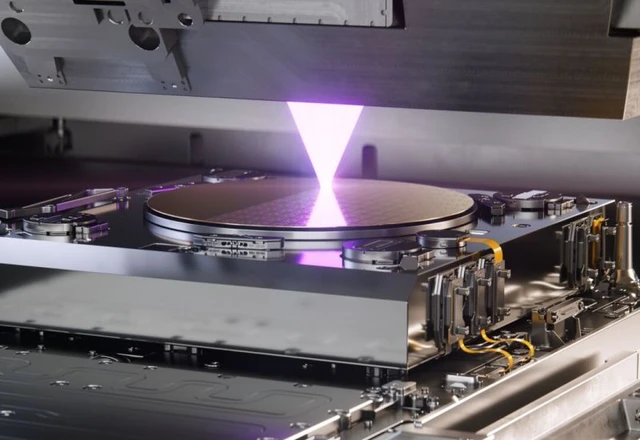 The Horizon of China's Technological Sovereignty in Lithography