SpaceX's public market debut was more than a mere financial milestone; it represented a tectonic shift in the global economic hierarchy. A meteoric rise in valuation catapulted the company into the upper echelons of global capital, posing a direct challenge to the world's most dominant tech titans. Yet, the initial wave of euphoria inevitably gave way to a market correction, exposing the idiosyncratic nature of managing Elon Musk’s sprawling empire. The company now finds itself balancing the volatility of the trading floor against an ambitious roadmap toward trillion-dollar revenues.
SpaceX's debut on the public market was characterized by an aggressive surge—a textbook "first-mover rally." Investors, long locked out of the private aerospace giant, rushed to secure positions, driving the share price up by 42% since the initial offering. This momentum propelled SpaceX through a meteoric ascent in the global corporate rankings, securing the fifth position by market capitalization and eclipsing even a titan like Amazon.
However, market euphoria is seldom sustainable. By Thursday, the growth trajectory began to plateau as a natural correction set in. Following a modest 5% dip on Wednesday, trading on Thursday entered a phase of stagnation. Quotes flattened at $195.45 per share, posting a nominal gain of just 0.3%. This stabilization suggests that the market has shifted from a stage of emotional frenzy toward a more disciplined evaluation of the company's fundamental metrics.
Amidst this market volatility, SpaceX is implementing pivotal shifts in its corporate governance framework. Rollo Botman, a long-time associate of Elon Musk, has joined the board of directors. His appointment as an independent director and member of the audit committee ostensibly bolsters the company's financial transparency. The board now comprises eight members, with Musk retaining his position as Chairman.
Despite the formal expansion of the board, actual operational leverage remains concentrated. Musk controls over 82% of the voting rights, effectively rendering the board of directors an advisory body. While such a concentration of power is a rarity in the public market, for the founder of SpaceX, it is the only mechanism to ensure that the strategic vision is not compromised by the pressures of short-term shareholder returns. This absolute control allows Musk to bypass internal friction and pursue a path of radical innovation.
At the heart of this strategy lies an audacious projection: by 2030, SpaceX intends to scale its annual revenue to $1 trillion. Achieving such a magnitude requires more than mere dominance in satellite deployment or ISS cargo logistics. The goal is the creation of a comprehensive interplanetary logistical infrastructure and the global expansion of Starlink—transforming SpaceX from a transportation provider into a foundational layer of the global and extraterrestrial economy.
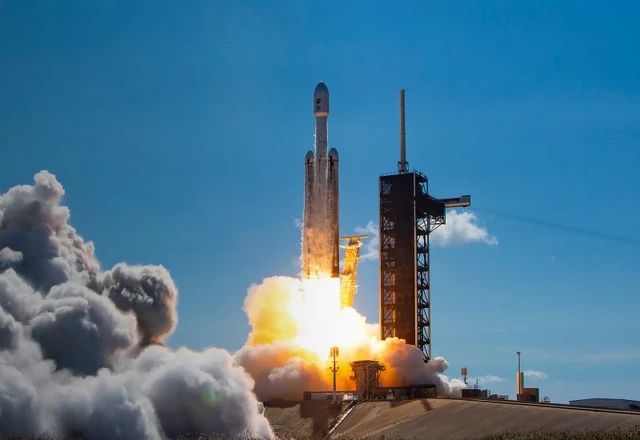
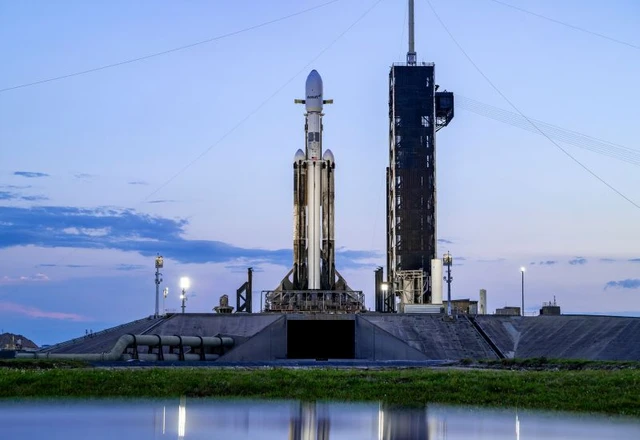 SpaceX’s Hundred-Billion Dollar Leap into Louisiana