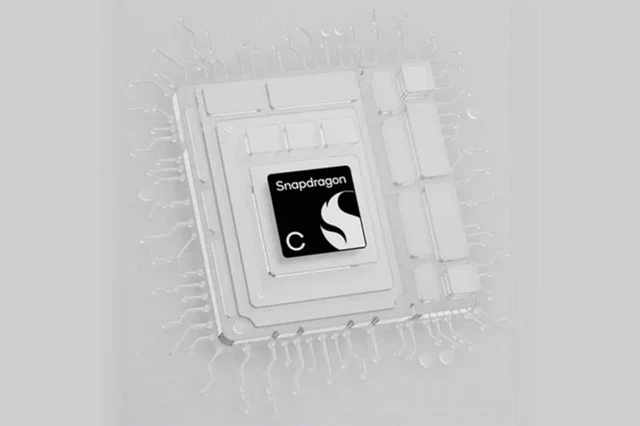
For years, the budget laptop market has been defined by compromise—a space where affordability inevitably dictated mediocre performance and lackluster battery life. The dominance of energy-efficient yet underpowered x86 solutions created a functional ceiling for the average consumer. Qualcomm’s Snapdragon C is poised to shatter this paradigm, bringing the inherent advantages of Arm architecture to the sub-$300 segment. This is more than just another silicon release; it is a strategic attempt to redefine productivity benchmarks for the mass market.
At the core of Qualcomm's latest offering lies an octa-core processor powered by Kryo architecture. The technical specifications boast an impressive peak single-core frequency of up to 3 GHz, though this scales down to 2 GHz under multi-threaded workloads. Central to its design is a dynamic resource management system: when three cores are engaged, the clock speed reaches 2.6 GHz, dipping to 2 GHz when four are active. This strategic power management allows for an optimal equilibrium between raw performance and thermal dissipation within the constrained chassis of budget devices. The package is rounded out by a 2MB total cache, an Adreno GPU clocked at 900 MHz, and a specialized Hexagon NPU dedicated to accelerating AI workloads.
A head-to-head comparison between the Snapdragon C and traditional alternatives—specifically the Intel N250—reveals a stark disparity in efficiency, most notably when operating on battery power. In synthetic Cinebench benchmarks, the new silicon outperforms its rival by 67% in multi-threaded tasks and 50% in single-threaded performance. Perhaps more telling is the energy efficiency coefficient, which is more than double that of the competition. Similar trends emerge in Geekbench, where the Snapdragon C sees gains of 44% for single-core and 24% for multi-core computations. Furthermore, Speedometer 3.1 tests validate a snappier overall system responsiveness, with the Snapdragon C clocking in 39% faster than its opponent.
However, the true value of Arm-based platforms transcends benchmark figures, manifesting instead in real-world utility. The Snapdragon C's energy efficiency translates directly into extended device endurance. When streaming Netflix via the Microsoft Edge browser, the advantage over the Intel N250 reaches a staggering 106%. In web browsing and Microsoft Teams video conferencing, the gaps are 68% and 74%, respectively. This positions the chip to realize the "full workday without a charger" promise, although the final result will hinge on the OEM's implementation—specifically factors like panel size and peak brightness.
The market expansion of the Snapdragon C is being propelled by industry giants such as HP, Acer, Asus, and Lenovo. Among the early adopters is the Aspire Go 15, configured with 8GB of RAM and a 512GB drive. While there is an ambitious goal to keep the end-user price point under $300, rising component costs may pose a significant hurdle for manufacturers. In the near term, the Snapdragon C will face fierce competition not only from Intel's updated Wildcat Lake series but also from potential budget-tier Apple offerings, such as a rumored "MacBook Neo." Consequently, the industry is entering a phase of intense competition to bring high-efficiency computing to the mass market.
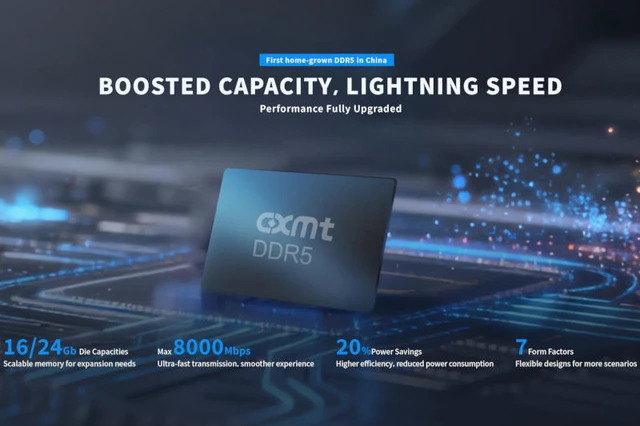 The Price of Acceleration: CXMT’s Rapid Push into Memory