The quest to uncover the origins of life has long since transcended Earth's atmosphere, venturing deep into the reaches of interstellar space. Contemporary data suggests that the fundamental building blocks of genetic material may be ubiquitous across the cosmos. The detection of complex organic compounds within the interstellar void is fundamentally reshaping our understanding of prebiotic chemistry, while a recent breakthrough at the heart of the Milky Way opens a new chapter in how we perceive the emergence of life-sustaining conditions on a galactic scale.
Sugars are fundamental to biological systems, serving not only as primary energy sources but also as the structural scaffolds that underpin genetic material. For years, the presence of monosaccharides in space was inferred indirectly—through the analysis of meteorites and asteroids where ribose and glucose were detected. However, detecting such complex molecules directly within deep interstellar space had long been considered nearly impossible, with the sole exception of glycolaldehyde, regarded as the simplest sugar precursor.
This paradigm shifted following ultra-sensitive spectral observations conducted with cutting-edge instrumentation: the 40-meter radio telescope in Ebes, Spain, and the IRAM 30-meter telescope. By analyzing massive clouds of gas and dust near the center of our galaxy, researchers identified erythrulose—a four-carbon sugar molecule. To validate the discovery, scientists cross-referenced twelve distinct signal groups captured from space with laboratory spectral signatures, definitively confirming the presence of this monosaccharide in the interstellar medium.
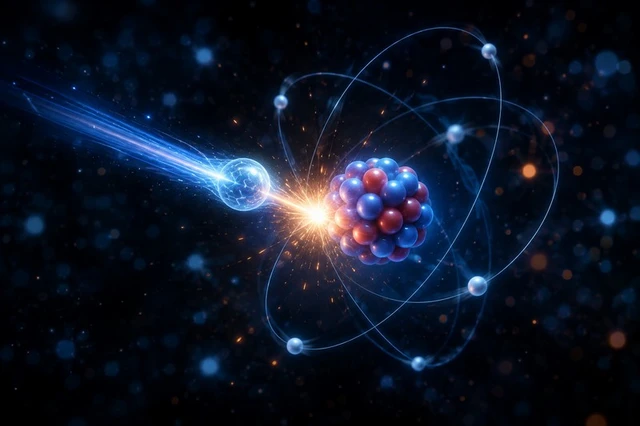
The synthesis of erythrulose in the void of space is not a spontaneous event but occurs via catalytic reactions on the surfaces of interstellar dust particles. According to quantum-chemical and astrochemical models, simpler two-carbon molecules interact on these microscopic grains, gradually increasing in complexity until they evolve into sugars. This mechanism demonstrates that even under the extreme conditions of vacuum and cryogenic temperatures, the synthesis of complex organic compounds remains possible.
From an astrobiological perspective, this discovery is monumental. It proves that the interstellar medium can serve as a viable reservoir of "raw materials" for the prebiotic synthesis of the first nucleic acids. This suggests that the chemical prerequisites for life were not exclusive to early Earth but could have existed anywhere in the universe where similar conditions prevail.
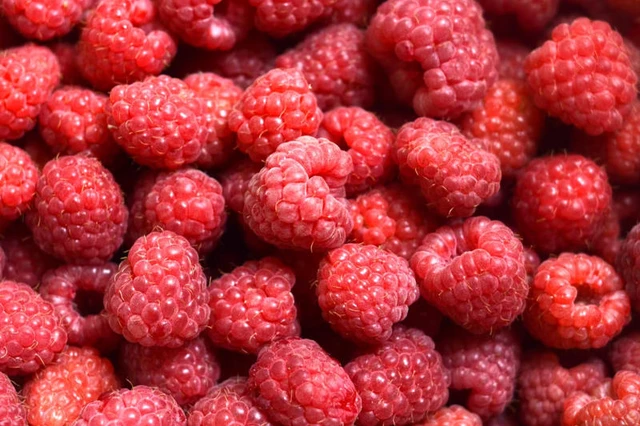
A compelling detail lies in the compound's terrestrial presence: erythrulose is found, among other places, in raspberries—earning it the moniker "raspberry sugar." Thus, a molecule familiar to us through the taste of berries emerges as one of the universal building blocks from which life may be constructed across the scale of the entire Galaxy.
 A Pragmatic Approach to Lunar Equipment Design