Remote desktop protocols remain a critical pillar of modern IT infrastructure, essential for both systems management and the orchestration of remote workflows. In this environment, any vulnerability within access control mechanisms can serve as an open gateway, potentially compromising the integrity of an entire corporate network. The latest release, FreeRDP 3.30, prioritizes the mitigation of fundamental security risks while significantly enhancing system resilience—marking another milestone in the long-term evolution of one of the most pivotal open-source implementations of the RDP protocol.
FreeRDP stands as a seasoned powerhouse with over fifteen years of development, effectively becoming the industry standard for ensuring cross-platform compatibility with Microsoft’s proprietary Remote Desktop Protocol (RDP). Developed in C and C++ under the Apache License 2.0, the project demands rigorous attention to memory management and network orchestration—a focus that has fundamentally shaped the trajectory of version 3.30.
The primary objective of this update was the remediation of critical security flaws. Developers have patched three significant vulnerabilities, including one affecting the server-side implementation. In the realm of remote access, such lapses can lead to unauthorized code execution or catastrophic data leaks, making the migration to version 3.30 an imperative for system administrators.
Beyond security, substantial effort was poured into enhancing data stability and network interface reliability. Specifically, a regression in the WebSocket implementation—which previously caused failures when utilizing web access gateways—has been resolved. Furthermore, optimizations in protocol version handling allow for more fluid interaction across various RDP iterations, minimizing session drops triggered by parameter mismatches.
The technical overhaul extended to low-level interaction mechanisms. The introduction of strict boundary checks for the clipboard and SDL (Simple DirectMedia Layer) is designed to thwart buffer overflows—a perennial challenge in C/C++ development and a frequent vector for exploits. Similar hardening measures were applied to audio transmission channels (rdpsnd), ensuring more resilient multimedia streaming.
The update concludes with a comprehensive cleanup of Pcap mechanisms and the integration of Audin checks, alongside fixes for communication channel initialization. These refinements render FreeRDP 3.30 a more predictable tool, capable of operating efficiently within complex network environments where traffic integrity and precise packet processing are paramount to maintaining business continuity.
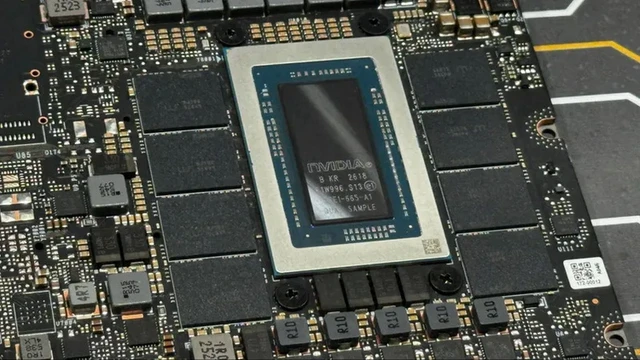 Nvidia N1X and the New Era of Arm PCs