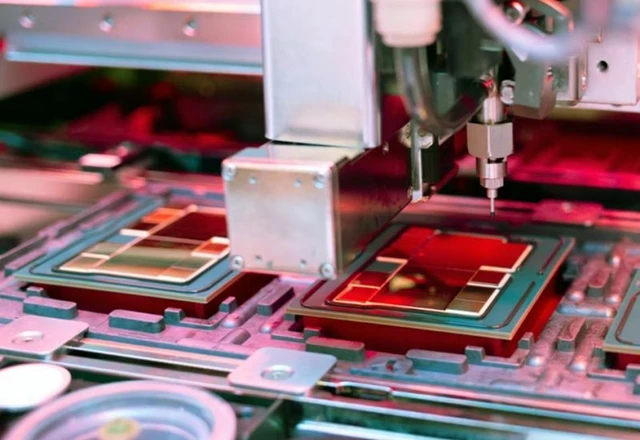
The global scramble for AI supremacy has transformed high-performance computing hardware into a critical strategic asset. Tightening US export controls are compelling tech titans to overhaul their partnership frameworks to plug technology leaks into China. Nvidia has launched a sweeping purge of its trusted supplier network across Asia, effectively dismantling "gray market" import channels. This shift signals a transition from superficial compliance toward rigorous, physical audits of end-user utilization.
The technology sector has come under unprecedented regulatory scrutiny as it became evident that administrative barriers were being systematically bypassed through sophisticated, multi-tiered resale schemes. High-profile scandals, involving even the leadership at Supermicro, have served as a catalyst for a sweeping overhaul of U.S. export policies across the Asia-Pacific region. Consequently, Nvidia has been forced to slash its list of trusted counterparties authorized to procure cutting-edge AI solutions by more than half.
The primary impact has been felt by the so-called "neocloud" segment—young, agile players in the cloud computing market. Because these companies lease out computing power, they have become ideal conduits for diverting hardware to end-users in violation of sanctions. The status of "trusted partner" is no longer a mere formality; companies caught in this purge must now undergo a significantly more rigorous audit process to regain their procurement rights.
Control mechanisms have evolved from simple documentary verification to active field research. Under the supervision of the U.S. Department of Commerce, Nvidia representatives are now conducting physical on-site inspections of the facilities where server equipment is intended to operate. This allows them to verify the actual location of accelerators and conduct detailed interviews with end-users, effectively eliminating the use of "shell" intermediaries in the supply chain.
Analysis of recent months reveals that the primary smuggling routes ran through Taiwan, Malaysia, and Singapore. These hubs were utilized to legitimize U.S.-origin equipment before its final shipment to mainland China. As these channels are dismantled, the shortage of advanced chips within China has become significantly more acute.
This situation has created a paradoxical dynamic within the Chinese domestic market. On one hand, Beijing is striving to minimize its dependence on American technology by stimulating the development of homegrown alternatives. On the other hand, attempts by major Chinese corporations to legally acquire Nvidia H200 accelerators—which are formally permitted for shipment to China—have yielded negligible results due to stringent vetting filters imposed by the U.S.
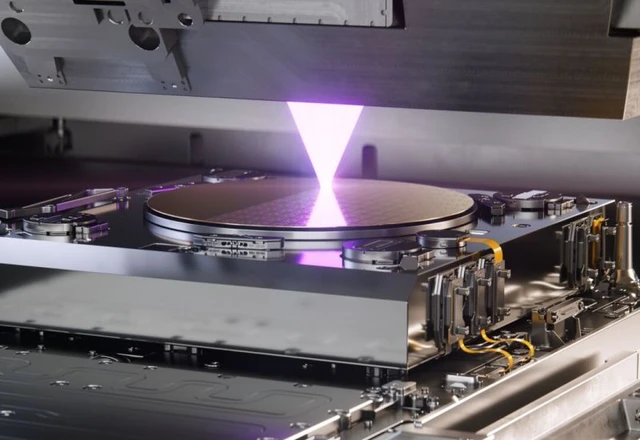
The Chinese leadership has set an ambitious target for local manufacturers: triple chip production volumes by the end of the current year. However, this push is hindered by a fundamental constraint—the lack of access to modern foreign lithography equipment, without which scaling the production of high-tech semiconductors is impossible.
Ultimately, the resulting vacuum has led to an anomalous surge in demand for domestic Chinese developments. Demand has spiked to such an extent that even accelerator models previously dismissed as mediocre or undesirable have been completely absorbed by the market.
 The Horizon of China's Technological Sovereignty in Lithography