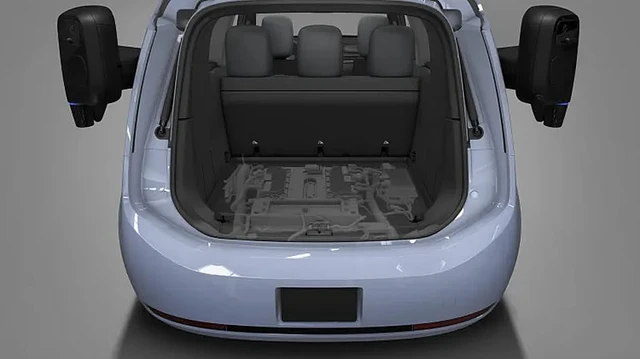
The EV market is currently undergoing a volatile transformation—a period of painful adjustment where survival is reserved for those capable of rapidly pivoting their product portfolios to meet shifting consumer demands. Rivian, which long carved out a niche in the premium SUV segment, has reached a critical inflection point in its evolution. Recent financial metrics signal the start of a long-awaited recovery, driven by a strategic pivot toward accessibility. The linchpin of this turnaround is the new R2 crossover, engineered to transition the brand from a niche "exotic" player into the mass market.
The electric vehicle industry has entered a phase of severe correction; the era of unbridled optimism has given way to pragmatic realism. In this climate, Rivian Automotive Inc. stands as a rare example of successful adaptation. The company has not only recalibrated its expectations but has officially raised its sales guidance for the current year, targeting between 65,000 and 70,000 vehicles. This move appears particularly bold against the backdrop of conservative Wall Street estimates, which hovered around 63,000 units.
This upward momentum was bolstered by second-quarter results, the strongest in several reporting periods. Actual deliveries reached 12,194 EVs, significantly outpacing market expectations of 10,600. Even more impressive was the production volume, with the factory churning out 12,613 vehicles over three months. The stock market responded instantly, with shares jumping 5.9%, although the valuation remains under pressure on a yearly basis, down 13% year-to-date.
Yet, beneath these figures lies a narrative of a grueling battle for efficiency. The path to current optimism was paved with the resolution of systemic crises: supply chain disruptions, skyrocketing operational expenses, and a palpable softening of demand in the U.S. market. To remain viable and optimize its cost structure, Rivian was forced to take radical measures, including the layoff of hundreds of employees in recent restructuring rounds.
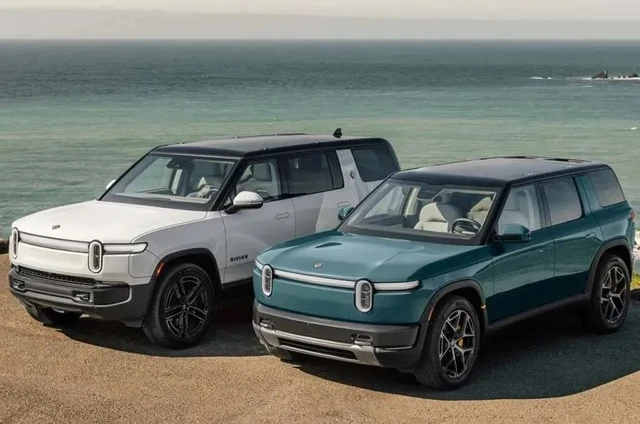
The cornerstone of Rivian's survival and growth strategy is the new R2 electric crossover. While the flagship R1 pickup—often priced north of $100,000—targeted a narrow niche of affluent enthusiasts, the R2 is designed to be the brand's mass-market offering. Initial versions of the crossover will start at $58,000, with even more affordable base configurations expected by year-end, significantly lowering the barrier to entry into the Rivian ecosystem.
Parallel to its consumer expansion, the company continues to solidify its footprint in the B2B sector. Deliveries of specialized commercial vans remain a consistent revenue stream, with e-commerce giant Amazon continuing as a pivotal partner and one of the largest shareholders.
Consequently, Rivian is evolving from a "boutique" manufacturer into a full-scale industrial player. The launch of the R2 is more than just a lineup expansion; it is a strategic pivot toward scale. It is the mass-market success of this crossover that is expected to deliver the long-awaited profitability and resilience needed to withstand global competition.
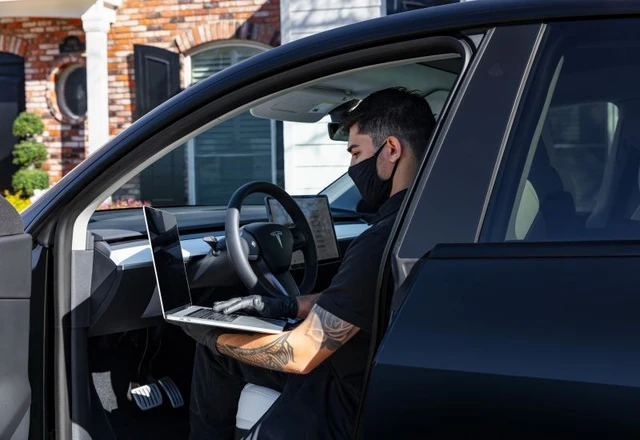 Driver Attention Monitoring in Tesla Electric Vehicles