The global semiconductor market is witnessing one of its most profound transformations in decades, as the long-standing dominance of general-purpose CPUs yields to the rise of specialized AI computing. In this volatile landscape, tech giants are being forced to fundamentally restructure their internal operations to maintain a competitive edge and ensure organizational agility. Intel remains embroiled in an arduous reorganization process, driven by a pursuit of peak operational efficiency and the elimination of bureaucratic friction. The latest round of layoffs within its server division marks another strategic step toward building a leaner, more focused organization.
The workforce restructuring has hit one of the company's most critical pillars: the Data Center Group (DCG). This division is tasked with developing server processors, engineering specialized AI accelerators, and designing the infrastructure for modern data centers. Intel leadership frames these measures not merely as cost-cutting, but as a strategic streamlining of internal processes designed to accelerate decision-making and optimize competency allocation for long-term business growth.
This reorganization is a logical extension of the trajectory set by Lip-Bu Tan following his appointment as CEO in March 2025. The transformation strategy entails a 15% reduction in global headcount, which has already resulted in over 5,000 layoffs across the United States. The impact was most severe in key technological hubs throughout California, Oregon, Arizona, and Texas. Despite the resulting internal friction, financial markets have reacted with pronounced optimism; over the past year, Intel's stock price has seen an impressive surge, climbing more than 300%.
The paradox of the current situation is that these cuts are occurring against a backdrop of steady growth within the DCG division itself. For the first quarter of 2026, segment revenue increased by 22% year-over-year, reaching $5.05 billion. Analysts anticipate further financial improvement: according to consensus forecasts, adjusted earnings could reach $0.22 per share on total revenue of $14.45 billion—a stark contrast to the losses recorded in the previous corresponding period.
Such dynamics highlight a prevailing industry trend: revenue growth no longer guarantees workforce stability. On the contrary, it now demands higher quality over sheer quantity in personnel. Intel is emblematic of a broader systemic crisis of human capital overcapacity within the tech sector. Data from Layoffs.fyi confirms the scale of this phenomenon: since the start of 2026, the industry has already recorded over 121,000 layoffs, nearly matching the total number of cuts for the entire previous year.
Ultimately, Intel is attempting to strike a balance between aggressive growth in the AI segment and rigorous cost discipline. This current optimization is an effort to transform a lumbering corporate behemoth into an agile technology company capable of competing with emerging players in the specialized computing market.

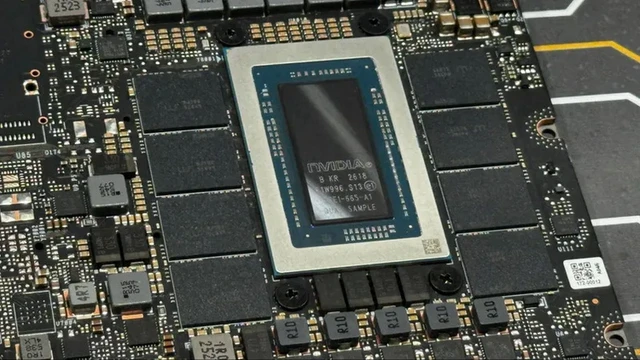 Nvidia N1X and the New Era of Arm PCs