The era of blind optimism surrounding artificial intelligence is yielding to a season of cold pragmatism. Investors, who once scrambled to acquire AI assets at any cost, have pivoted toward large-scale portfolio rebalancing in search of more resilient vehicles. The current volatility across the semiconductor and cloud computing markets does not signal an industry collapse; rather, it marks a transition from speculative fervor to a demand for tangible returns. The spotlight has now shifted to the efficiency of capital expenditures—investments that have reached an unprecedented scale in the history of the technology sector.
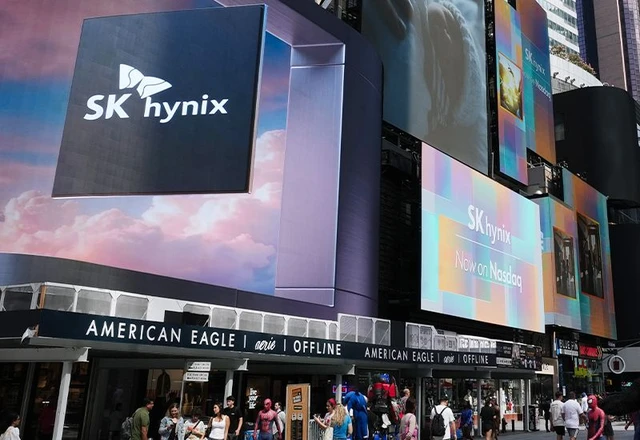
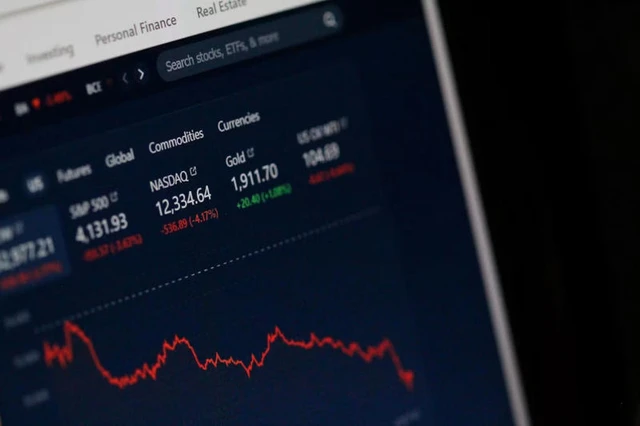
The global technology market has experienced a synchronized downturn, impacting key electronics manufacturing hubs. In South Korea, giants such as SK hynix and Samsung Electronics, along with LG Innotek and Seoul Semiconductor, recorded significant losses. Similar trends emerged in Europe, where ASML and ASM International dipped, and in Japan, where Kioxia and SoftBank Group faced a slump. Even TSMC—effectively the world's sole provider of cutting-edge chips—was not immune to the correction. In the US, the landscape was fragmented: while Nvidia managed to hold its ground by the close of the session, Intel, AMD, and Micron saw notable declines in value.
This dynamic reflects a profound psychological shift in capital behavior. Analysts at UBS Group AG have illustrated this divergence by comparing two investment baskets: AI-linked assets and sectors traditionally viewed as vulnerable to automation. Currently, the "traditional" basket is outperforming the AI segment by a record 42 percentage points. This suggests that the market is shedding overextended positions, particularly in semiconductors, which had grown almost exclusively on momentum and speculation.
The core issue lay in "momentum trading" tactics, where investors bought shares simply because they were climbing rapidly, disregarding fundamental indicators. This strategy created an environment of extreme volatility reminiscent of the pandemic-era markets. Consequently, the current slump has effectively wiped out all gains recorded since February. Experts at Goldman Sachs believe the mass sell-off phase may be concluding, and current price levels could open a window for a cautious return to AI assets; however, persistent volatility continues to make any forecasting a risky endeavor.
The situation surrounding the Dutch firm ASML—the monopolist in deep ultraviolet (DUV) lithography equipment—merits particular attention. Panic surrounding the company was triggered by China's progress in developing its own lithographic hardware. However, it is critical to distinguish between technological tiers. Chinese achievements pertain to DUV lithography, which serves as the industry's baseline tool. ASML, conversely, dominates the EUV (extreme ultraviolet) segment, which enables the production of chips at 3nm and below. While China may be capable of establishing internal supply chains for standard equipment, the technological chasm in EUV will remain insurmountable for at least another seven to ten years.
What we are witnessing is not a systemic crisis, but a classic capital rotation. Even within the "Magnificent Seven," a divergence is apparent: Apple, being less dependent on the current AI hype, shows growth, while Alphabet and Nvidia undergo correction. The tech sector retains its long-term potential, but the rules of engagement have changed.
The market now awaits quarterly reports from Microsoft, Meta, Apple, and Amazon. Although most companies are beating profit forecasts, this is no longer sufficient to sustain valuations. Investors are no longer satisfied with promises of a "revolutionary future"—they demand concrete evidence that massive investments in AI infrastructure are converting into sustainable and growing net profits.
 Anthropic’s Strategic Financial Surge Ahead of Its IPO