The global semiconductor market is undergoing a profound structural transformation, where the cost of compute power has evolved into a lever for strategic maneuvering. Intel, a cornerstone of the industry, is once again recalibrating its pricing strategy, raising the cost of its PC-oriented solutions. This move signals a systemic pivot toward high-margin offerings and the aggressive optimization of manufacturing cycles. Amidst intensifying global competition, the company is striving to maintain a delicate equilibrium between consumer accessibility and corporate profitability.
The PC industry is gearing up for another wave of price adjustments. Reports from the supply chain indicate that Intel intends to implement a price hike of approximately 10% effective October 5. This move is not an isolated incident, but rather a component of a consistent strategy to drive profitability that has been unfolding over the past year.
Analyzing the trends of recent quarters reveals a systematic recalibration of product pricing. A similar 10% increase was recorded as early as the first quarter of 2026, followed by another adjustment in July that impacted both the consumer and server segments. The scale of these changes varied significantly: while the mass market saw increases of a few dozen dollars, the cost of certain server-grade solutions jumped by over $1,000.
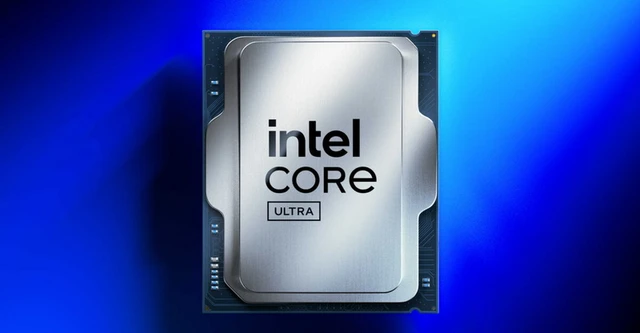
Case in point: the Core Ultra 7 270K Plus and Core Ultra 5 250K Plus. Their recommended retail prices rose from $299 to $349 and from $199 to $229, respectively. While the company officially attributes these shifts to rising supply chain costs and robust market demand, a deeper economic logic is at play.
Alongside these pricing pressures, Intel is conducting a comprehensive audit of its product portfolio. Specifically, low-margin solutions within the Small Core series are now under scrutiny. This does not imply a departure from efficiency cores (E-cores) within the primary processor architecture, but rather the End-of-Life (EOL) phase for specialized chips tailored for industrial equipment, embedded systems, and the Internet of Things (IoT).
This strategic pivot, spearheaded by leadership—specifically Lip-Bu Tan—is designed to radically boost overall profitability by pruning low-margin business lines. This creates a void in the industrial computing niche, which will likely be filled by competitors such as Qualcomm and MediaTek, both of whom already possess the necessary expertise to expand into these segments.
Manufacturing capacity remains the critical bottleneck. Intel is prioritizing its internal fabrication plants for high-margin server processors, inevitably creating a resource deficit for consumer-grade silicon. The company faces a strategic dilemma: either throttle the rollout of mass-market products or scale up outsourcing by shifting server production to TSMC. The latter would accelerate delivery but necessitate a restructuring of cost frameworks and increase reliance on an external partner.
Ultimately, these price fluctuations are more than a mere reaction to inflation or logistical hurdles; they are part of a broader blueprint to transform Intel from a mass-market manufacturer into a high-tech powerhouse focused on maximum margins and server infrastructure.
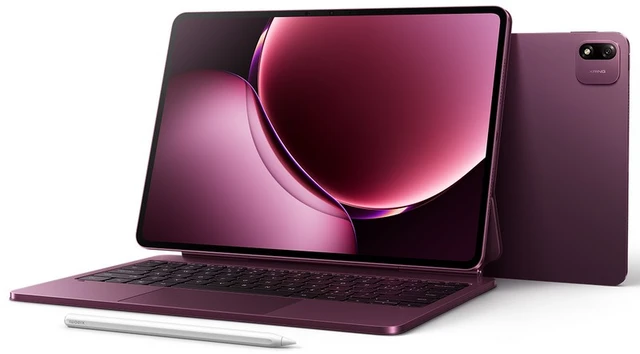 Power and Poise: The Xiaomi Pad 9 Pro Max