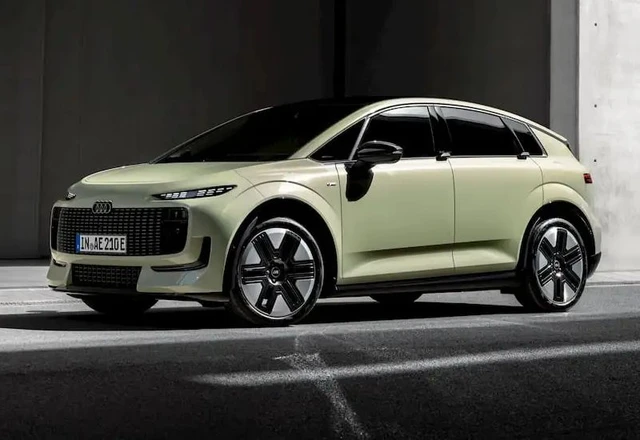
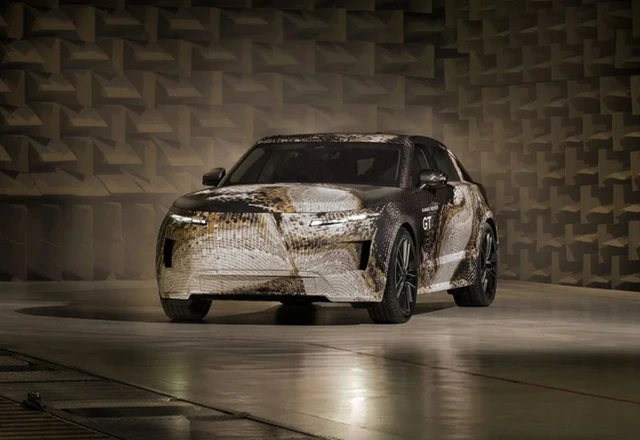
The luxury automotive sector is undergoing a fundamental transformation, where legacy prestige converges with the imperatives of aerodynamic efficiency. Range Rover—long the definitive authority on off-road design—is taking a bold leap toward streamlined silhouettes and full electrification. The GT model emerges as a contemporary manifestation of the grand touring ethos, recalibrated for the technological realities of the 21st century. This is not merely a change in powertrain; it is a profound reimagining of the philosophy of long-distance travel.
For decades, Range Rover's visual identity was defined by monumentality: towering SUVs with starkly linear bodywork that projected an image of indomitability and status. However, the brand's current trajectory is shifting toward more streamlined silhouettes. In the GT model, this trend reaches its zenith—the vehicle adopts the characteristics of a sports coupe, driven not only by aesthetic considerations but by the critical necessity to reduce the drag coefficient for optimized energy efficiency.
The GT concept is rooted in the historical tradition of the "Grand Tour." In the late 18th and early 19th centuries, this was a journey undertaken by wealthy young Europeans seeking cultural enrichment. Over time, the term evolved into the Italian "Gran Turismo," defining an entire class of automobiles designed for high-speed, comfortable long-distance travel. For Jaguar Land Rover, returning to these origins means crafting a machine capable of blurring the line between sports car dynamics and executive-class luxury.
The technological bedrock of this newcomer is the new EMA (Electrified Modular Architecture) platform. This development is strategically pivotal for the group, as it will serve as the foundation for the brand's entire future electric lineup. Production will be centered in the UK, underscoring a commitment to heritage and quality. While electric propulsion is the priority, there is a possibility of hybrid variants—serving as a bridge for conservative consumers not yet accustomed to total reliance on charging infrastructure.
The Range Rover GT interior adheres to the principles of digital minimalism. The cabin is dominated by clean surfaces and rigorous geometry, evoking a sense of space and serenity. A 13-inch display serves as the central control hub; rather than attempting to overwhelm with scale—as some competitors do—it is seamlessly integrated into the console's overall composition. Traditional air vents spanning the width of the dashboard maintain the brand's design continuity, while functional control increasingly shifts toward voice interaction via a proprietary operating system.
Particular attention has been paid to rear-cabin ergonomics. Passengers enjoy exceptional legroom and access to one of the largest panoramic roofs in the brand's history, enhancing the interior's feeling of openness. The seating configuration remains flexible, offering both two- and three-seat options, with backrests that fold easily to expand cargo capacity.
From a technical standpoint, the Range Rover GT aims for segment leadership with a claimed range exceeding 800 km on a single charge. Such ambitious specifications inevitably impact the price point: preliminary data suggests the vehicle will exceed $90,000, aligning with its positioning in the upper echelon of the luxury market.
 Texas Opens Its Skies to Air Taxis