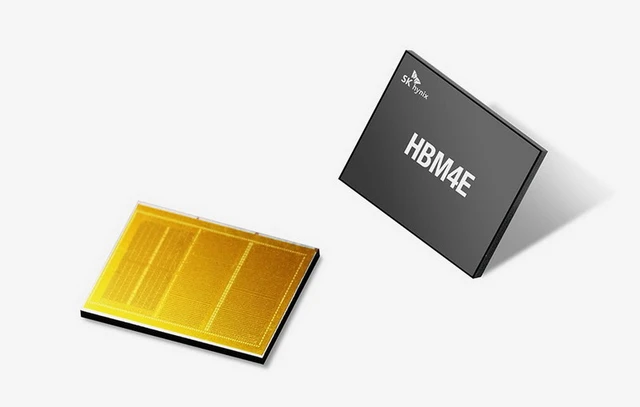
The global semiconductor market is currently navigating a period of significant volatility, driven by persistent component shortages and a fundamental shift in technological priorities. Escalating memory costs have already triggered price hikes for flagship devices and contributed to the steady attrition of the budget smartphone segment. Against this backdrop, Qualcomm—one of the industry's dominant players—is implementing a radical overhaul of its pricing strategy. This move is a logical response to shifting cost structures in an era defined by the breakneck pace of artificial intelligence development.
The modern mobile device market has become a hostage to supply chain volatility, where memory shortages have triggered a systemic domino effect. Analysts have long warned of the inevitable: premium models will climb in price, while budget-friendly devices will vanish from portfolios as manufacturers struggle to maintain profitability on low-margin hardware. However, the real shockwave hit the industry with a notification from Qualcomm, effectively cementing a new economic reality for smartphone OEMs.
According to Bloomberg, the company has notified its partners of an upcoming price hike for processors, effective September 1st. This is no mere nominal adjustment; we are looking at a double-digit percentage increase. Qualcomm leadership justifies the move by citing an inability to continue absorbing escalating costs and the urgent need to secure alternative sources for raw materials and components amidst market instability.
To grasp the depth of the crisis, one must consider Qualcomm's business model. Operating as a fabless entity, the company designs chips but owns no manufacturing plants, outsourcing production to giants like TSMC. While supplier diversification has always been a priority, the current generative AI boom has reshaped the priority hierarchy for contract manufacturers. Foundry resources are being pivoted toward high-margin AI infrastructure orders, inevitably squeezing available capacity for the mobile segment and driving up the cost of every individual die.
Investors reacted optimistically to the news, sending Qualcomm's shares upward. From a financial perspective, price hikes allow the company to offset potential drops in sales volume caused by general component shortages. Consequently, revenue may remain stable or even grow, despite a decrease in physical shipment volumes.
Theoretically, Qualcomm could mitigate the situation by shifting orders to Samsung or Intel. However, in the world of microelectronics, it is not merely a matter of available floor space, but of technological alignment. Migrating to another manufacturer requires deep project adaptation to a specific process node and PDK (Process Design Kit). The technical specifications of other vendors may fail to meet the stringent power efficiency and performance benchmarks baked into modern Snapdragon chips, making a rapid supplier pivot virtually impossible without compromising the quality of the final product.

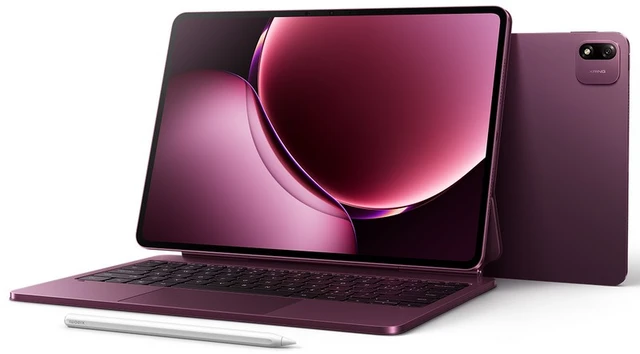 Power and Poise: The Xiaomi Pad 9 Pro Max