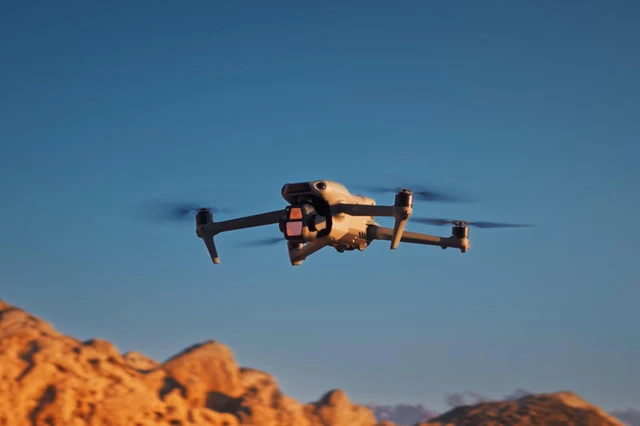
The technological rivalry between Washington and Beijing has entered a phase of comprehensive regulatory warfare. The U.S. Federal Communications Commission (FCC) has begun implementing retroactive bans on hardware previously deemed compliant, signaling a shift toward more aggressive enforcement. At the center of this crackdown is DJI, the Chinese drone behemoth, and the intricate web of intermediaries used to circumvent trade restrictions. This precedent establishes a new reality for the global consumer electronics market—one where national security imperatives have become the primary lever for market regulation.
US regulatory policy toward Chinese technology is evolving into a retroactive purge. By leveraging expanded mandates, the Federal Communications Commission (FCC) has effectively rewritten the rules of engagement: the agency now possesses the authority to revoke authorizations for devices that have already been certified and are available to consumers. The primary target of this strategy is a network of "shell companies" allegedly used by DJI—the global leader in civilian UAVs—to circumvent existing import bans.
The mechanism for bypassing these restrictions was deceptively simple: equipment was released under third-party brands, allowing DJI products to penetrate the US market while slipping past primary security screenings. A prime example is the DJI Osmo Pocket 3, which was legally sold under the Xtra brand. Now, the FCC is shifting toward a more aggressive stance; moving beyond mere $25,000 fines per violation, the regulator is implementing total bans on the import, advertising, and distribution of these products. This means devices will vanish not only from specialty stores but also from major marketplaces like Amazon, potentially rendering existing warehouse stock obsolete.
However, this transition will not be instantaneous. The regulator has established a 30-day public comment period to allow companies to present evidence regarding their security posture. This raises a critical analytical question: why are consumer cameras—not just intelligence-capable drones—being targeted? While the FCC cites "national security" in its official statements, concrete technical evidence of threats posed by such devices has yet to be made public. This suggests that the conflict is less about specific code vulnerabilities and more about the very presence of Chinese capital and technology within critical communications infrastructure.
The scale of the targeted entities is significant. The list includes Cogito Tech, Fixaxo Technology, Lyno Dynamics, Skyhigh Tech, Spatial Hover, SZ Knowact, WaveGo Tech (which markets products under the Skyrover brand), and Xtra Technology. Nearly all of these firms ignored FCC requests for data. Notably, XAG, a manufacturer of agricultural drones, attempted to engage in a dialogue with the regulator but failed to provide comprehensive information.
The final blow in this campaign is the severance of ties with the testing laboratory SGS-CSTC Shenzhen. This organization was instrumental in helping "shell" brands secure the certifications necessary for US market entry. The conflict here is purely legal: under US law, control over a company is established if ownership reaches 10% or more. Despite claims from SGS-CSTC that the state-owned CSTC holds only a 15% stake, this was sufficient for the lab to be designated as an instrument of Chinese government influence. Consequently, the US is constructing a multi-layered barrier designed to isolate not just the end manufacturer, but the entire chain of certification and logistics.
 The Evolution of Ultrabooks: Driven by Solid-State Cooling