The gaming industry is currently navigating a volatile period of transformation, where the generational transition of consoles is colliding with systemic global economic pressures. Nintendo's latest financial report presents a compelling paradox: a sharp contraction in hardware shipments juxtaposed against an unexpected surge in operating profit. At the heart of this trend is the user migration toward a new platform, unfolding amidst rising overheads and strategic price corrections. This case serves as a poignant reminder that contemporary gaming is driven less by raw "silicon" and more by the resilience of the broader entertainment ecosystem.
The first quarter of the current fiscal year has proven to be a period of significant market turbulence for Nintendo. Revenue dipped by 9.5%, landing at $3.28 billion. While this figure slightly outperformed analyst expectations, hardware shipment trends remain concerning: Switch 2 deliveries plummeted by more than a third, totaling 3.82 million units.
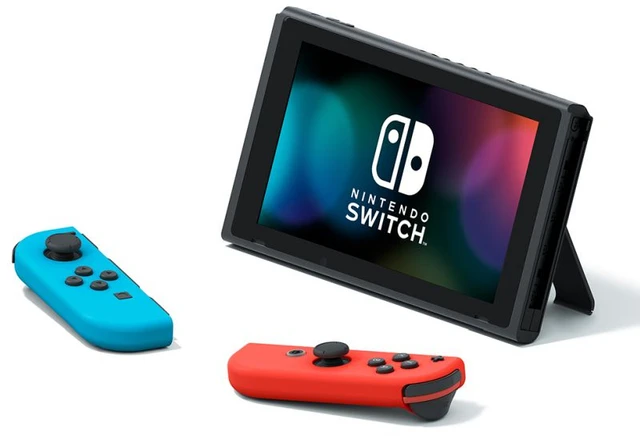
The decline was not limited to the latest generation of hardware. Sales of the original Switch also trended downward, sliding 31.8% to 660,000 units. It is evident that the market is in a phase of active migration toward the updated platform, though this transition is being hampered by a general cooling of consumer demand. The primary headwind has been rising costs driven by external economic pressures; specifically, the surging cost of memory components and the weight of customs tariffs cost the company approximately $630 million.
However, the financial statements reveal an unexpected silver lining. Nintendo's operating profit surged by 150.5%, climbing to $904 million. This spike was driven by two primary catalysts: a short-term surge in Switch 2 sales ahead of scheduled price hikes and the recovery of overpaid customs duties from the US government. This underscores that even amidst falling volumes, strategic financial management and precise market positioning can sustain high profit margins.
The software ecosystem continues to serve as the business's bedrock. Strong demand for exclusives is reflected in the shipment numbers: Tomodachi Life: Living the Dream moved 7.94 million copies, while Pokemon Pokopia reached 1.27 million. Simultaneously, Nintendo is aggressively expanding its footprint into adjacent industries. The theatrical release of The Super Mario Galaxy Movie was a resounding triumph, grossing over $1 billion and becoming the highest-grossing film based on a video game to date. This evolution transforms the company from a mere hardware manufacturer into a full-fledged media powerhouse.
Consumers should expect further pricing adjustments in the near future. Following price increases in the Japanese domestic market in May, the company is preparing for a similar move in the US: starting September 1st, the price of the Switch 2 will rise from $500 to $550. Despite the current volatility, Nintendo's leadership remains optimistic and has maintained its forecasts. The target for the current fiscal year remains unchanged: an operating profit of $2.34 billion, with minimum targets of 16.5 million consoles and 60 million software units sold.
 Anthropic’s Record-Breaking Stock Market Debut