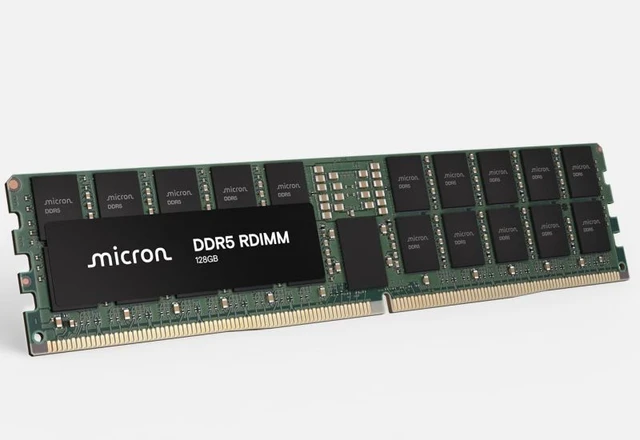
Modern data processing architectures and neural networks are grappling with a critical deficit of volatile memory, compelling manufacturers to pursue radical advancements in storage density. Against this backdrop, Micron Technology has unveiled 512GB RDIMM modules that push the boundaries of the DDR5 standard. This is not merely a matter of scaling capacity, but a fundamental shift in the approach to energy efficiency and throughput across server platforms. This technology lays the groundwork for the next generation of high-performance computing.
The server hardware industry has traditionally evolved toward higher component density to minimize physical footprints and slash data transmission latency. Micron Technology's latest announcement—512GB RDIMM modules supporting speeds up to DDR5-9200—represents a logical step in this evolution. While mass production is slated for the second half of next year, the market is already adapting as industry leaders Intel and AMD move through the validation phase.
The technological catalyst for this leap in capacity is the implementation of vertical chip stacking utilizing Through-Silicon Via (TSV) interconnects. Unlike traditional packaging methods, TSV enables vertical electrical connections that penetrate the silicon dies. This not only allows for a significantly higher cell density per module but also optimizes signal paths—a critical requirement when operating at frequencies exceeding 9,000 MT/s.
The scalability of these solutions offers system architects compelling possibilities. In a typical dual-socket server with 24 memory slots, total RAM capacity could reach 12 TB. Such capacities transform the server from a mere compute node into a massive, high-speed data repository, effectively bridging the gap between data storage and real-time processing.
Power efficiency is another critical dimension. Transitioning to ultra-high-density modules allows for significant system power optimization. According to Micron, utilizing a single 512GB module reduces power consumption by 60% compared to a configuration of four 128GB modules providing the same capacity. This efficiency is achieved by reducing the number of active power rails and minimizing the memory management overhead on the controller.
The practical utility of these solutions is most evident in workloads where data must reside in-memory to ensure maximum access speeds. In data analytics scenarios utilizing Spark SVM, transitioning from 256GB to 512GB modules yields a performance gain of up to 1.4x. A similar positive impact is observed with high-performance databases such as RocksDB and Redis, where available memory capacity correlates directly with query efficiency and system responsiveness.
While AMD is focusing on ensuring compatibility between its current platforms and these new modules, Intel has already signaled the development of next-generation server solutions with native support for such capacities. This points to the emergence of a new industry standard where memory density becomes as pivotal a competitive factor as CPU clock speeds.
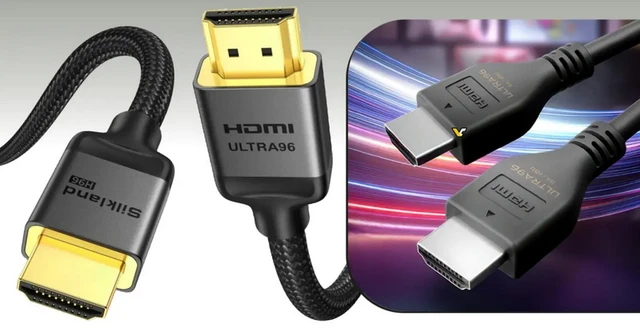 HDMI 2.2: The New Standard for Data Transmission