The global consumer electronics market is grappling with a systemic surge in component costs—a crisis that has evolved beyond a mere internal operational challenge for manufacturers. The meteoric rise of artificial intelligence has ignited an unprecedented demand for high-performance memory, triggering widespread shortages across the entire semiconductor landscape. This economic pressure is now trickling down to the end consumer, transforming once-affordable gadgets into premium assets. Recent aggressive price adjustments on Amazon serve as a stark signal: the era of budget-friendly smart devices is drawing to a close.
Amazon's consumer device portfolio has been hit by a sudden and aggressive price correction. Over a single weekend, prices for several product lines surged by as much as 60%, shocking users accustomed to price stability or even the steady decline of ecosystem gadget costs. Nearly every flagship line was affected, from Fire TV smart TVs and streaming sticks to Kindle e-readers and Eero networking solutions. The most striking example is the compact Echo Dot, which saw its price jump from $49.99 to $79.99 overnight.
Driving this volatility is a fundamental shift in component economics. Modern electronics production is critically dependent on the cost of memory modules and storage, both of which have seen an explosive rise in costs recently. For a long time, tech giants attempted to absorb these overheads within their own margins to avoid alienating consumers, but the tipping point has been reached. The company is now forced to pass the financial burden onto the user, offering only sporadic promotional events to soften the blow.
The root cause lies in a global semiconductor "famine" triggered by the generative AI boom. The massive compute clusters required for training neural networks demand colossal volumes of specialized, high-speed memory. This has created fierce competition for fabrication capacity, where high-margin server solutions are prioritized, leaving second- and third-tier consumer devices at the back of the queue.
This is a systemic trend not limited to a single player. Similar patterns are evident at Apple, which has been forced to revise the pricing of nearly its entire product lineup and introduce leasing and subscription models to keep high-end hardware accessible to the mass market.
Analyst forecasts are bleak: memory shortages and the resulting pricing pressure are expected to persist through the current and following year. Component costs are projected to peak by 2028, after which the market should finally stabilize as new production capacity comes online. Consequently, the industry is entering a prolonged period of turbulence, where the cost of hardware has become the primary bottleneck for technological accessibility.

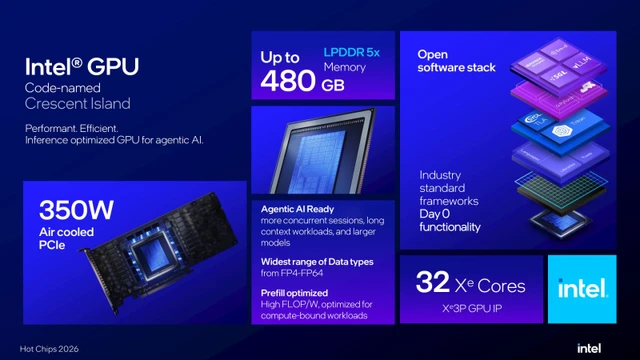 A New Memory Paradigm for AI Accelerators