The global technology sector has entered a period of rigorous recalibration as the era of near-religious faith in the limitless expansion of neural networks begins to wane. Investors are now grappling with a fundamental question: what is the actual return on investment for the billions poured into AI infrastructure? This skepticism has triggered a sweeping correction across semiconductor equities. The shift has reverberated through every major financial hub from Asia to Europe, replacing blind euphoria with cold, clinical analysis. The market is pivoting away from momentum-driven speculation toward a demand for tangible financial evidence that AI integration actually delivers measurable value.
Recent volatility in the equity markets has ushered in one of the most turbulent weeks for semiconductor manufacturers since the start of the year. A distinct trend is emerging: capital is beginning to rotate out of assets that have delivered hyper-growth in recent months. The Philadelphia Semiconductor Index—the primary barometer for the chip industry—suffered a sharp decline, shedding approximately 10% in a single week and correcting nearly 20% from its all-time high recorded in June. While the index remains up more than 60% year-to-date, the momentum of recent weeks signals deep disappointment or, at the very least, heightened caution among institutional players.
This volatility is inherent to the semiconductor sector, which is traditionally cyclical. During periods of explosive growth, any hint of a slowdown or a shift in market sentiment triggers aggressive portfolio rebalancing and widespread profit-taking. Investors are no longer content with promises of future success; they are now demanding tangible evidence that the colossal expenditures on GPU clusters and data centers are translating into actual bottom-line profitability.
One of the primary catalysts for this sell-off has been the emergence of new challengers and technical hurdles facing industry leaders. The announcement from Moonshot, a Chinese startup that unveiled an open-weight model boasting 2.8 trillion parameters, dealt a blow to the perception that American corporations hold an untouchable technological lead. The appearance of such massive models outside the traditional circle of giants forces the market to question the sustainability of the competitive moats held by those investing billions into proprietary, closed-source development. This sentiment was exacerbated by reports of delays in the release of Google's flagship Gemini 3.5 Pro, which was interpreted as a signal that significant technical bottlenecks remain on the path to the next leap in performance.
The domino effect spread rapidly across global markets. South Korea's KOSPI, heavily weighted toward memory and chip production, officially entered a "bear market" phase following a 62% annual surge. Japan's Nikkei has also entered a correction zone, while the European tech sector—which posted its best second-quarter results in two decades—suddenly found itself among the week's primary laggards.
The downturn was felt most acutely in leveraged instruments and trend-following strategies. The S&P 500 Momentum Index, which tracks the highest-performing stocks, plummeted 11% in July, while the broader S&P 500 remained relatively stable. Even more dramatic is the situation with the Direxion Daily Semiconductor Bull 3X ETF: this instrument, which triples the movement of the chip sector, has fallen by more than half from its June peaks, though it remains positive on a yearly basis. According to prime brokerage data, hedge funds have begun systematically unwinding their positions in companies providing the "hardware" for AI.
Nevertheless, this slump does not necessarily signal an industry collapse. Many traders view the current correction as a strategic entry point. Sustained interest in Micron, SK hynix, and SanDisk—supported by active bullish options—suggests that a segment of the professional community believes the market is reaching a short-term "oversold" bottom.
In terms of hard numbers, the week ended with declines across most key players: Nvidia dipped 2.2%, Intel fell 2%, and Applied Materials slumped 5.6%. Adding to the negative backdrop was a 5.4% drop in SpaceX shares following an unsuccessful Starship test flight, fueling a general sense of uncertainty surrounding high-cap, high-tech moonshots.
The industry now sits in a state of anticipation. The upcoming quarterly earnings reports from Alphabet, Tesla, and Intel will be the deciding factor. These filings will reveal whether current market anxieties are justified or if we are simply witnessing a standard technical correction before the next wave of growth.

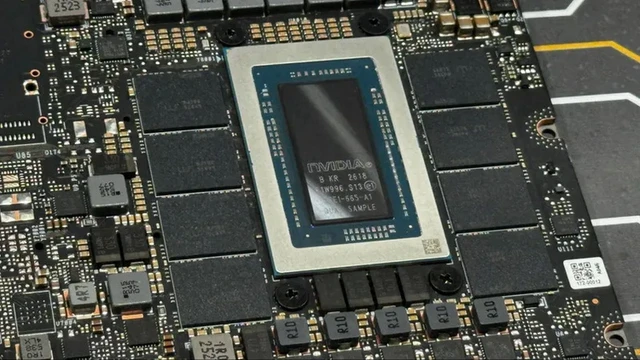 Nvidia N1X and the New Era of Arm PCs