The global AI arms race is entering a pivotal new phase, where the primary metric of success has shifted from raw chip performance to the overall efficiency of integrated server architectures. For years, Nvidia has dominated the landscape by providing comprehensive, turnkey ecosystems—a strategic moat that has forced AMD to fundamentally overhaul its delivery model. Microsoft’s decision to integrate Helios systems into the Azure infrastructure underscores a calculated drive to diversify capacity and mitigate vendor lock-in. This strategic pivot marks the beginning of a new chapter in the high-stakes rivalry between the semiconductor industry's two primary titans.
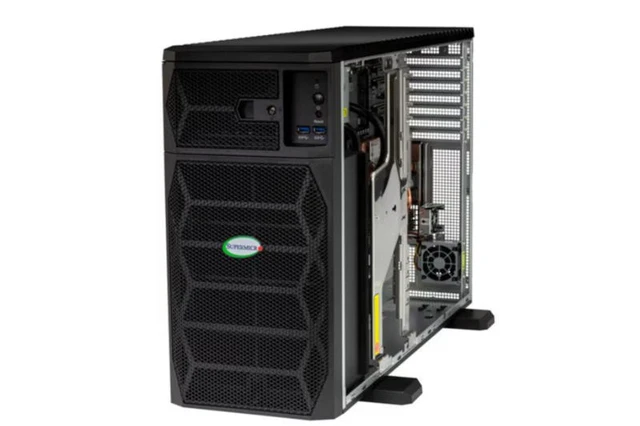
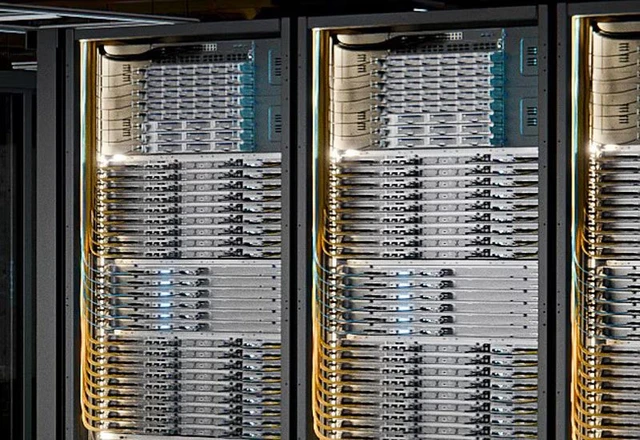
The high-performance computing (HPC) landscape is undergoing a fundamental paradigm shift. Where vendors once focused on the sale of individual components, the industry is pivoting toward a "server-as-a-product" philosophy. Nvidia was the first to capitalize on this trend by delivering fully integrated server systems, effectively raising the barrier to entry for its competitors. In response, AMD has introduced the Helios family—a comprehensive solution engineered to provide a comparable level of integration and raw performance.
Following in the footsteps of giants like Meta, OpenAI, and Oracle, Microsoft has officially confirmed the integration of Helios systems into its Azure cloud infrastructure. For Microsoft, this move is a cornerstone of a broader strategy to expand client capabilities. The primary focus for the Helios deployment will be inference—the execution of pre-trained AI models—which is critical for ensuring low latency and high service availability across the vast scale of the Azure ecosystem.
Beyond the Helios systems, Microsoft is investing in specialized compute capacity powered by EPYC Venice processors. These resources are being partitioned by functional intent: one segment of the infrastructure is dedicated to AI Agents capable of autonomously executing complex action chains, while another is earmarked for semiconductor design, underscoring the company's drive toward deep vertical integration.
AMD’s expansion into AI infrastructure has become systemic. Industry data indicates that eight out of ten major players are already utilizing Instinct accelerators. This cohort includes not only OpenAI and Cohere but also Elon Musk’s ambitious SpaceXAI projects. Particularly noteworthy is the scale of Meta's deployment; the company plans to utilize Helios systems with a cumulative power draw of up to 1 GW—a figure comparable to the output of large-scale power plants. Global system integrators, such as India's Tata Consultancy Services, are also showing significant interest in AMD's offerings.
From an operational economics perspective, AMD is betting on the optimization of Total Cost of Ownership (TCO) and the reduction of cost-per-token—the primary efficiency metric for Large Language Models (LLMs). Although Helios systems carry a higher price tag than Nvidia’s Vera Rubin solutions (approximately $5–5.5 million versus $3.5–4 million per unit) and are less compact, their value proposition lies in the aggregate performance-per-dollar under specific workloads.
In the long term, this strategic maneuver could trigger a dramatic redistribution of market share. Projections suggest AMD could grow its presence in the server segment from a current 4.5% to between 20% and 25%. By 2027, Helios shipments could evolve into the company's primary revenue driver, generating tens of billions of dollars annually.
However, the path to leadership remains fraught with challenges. Nvidia’s primary advantage continues to be the CUDA software ecosystem, which has created a formidable "moat" around its products, establishing them as the de facto standard for developers. To breach this barrier, AMD is leveraging hardware availability and supply chain flexibility amidst a global shortage of compute resources. The success of this strategy will ultimately depend on the ability of manufacturing partners to deliver the necessary volumes, converting Helios's technological potential into genuine market dominance.
 Nvidia N1X and the New Era of Arm PCs