The display industry stands on the precipice of a fundamental technological shift. For years, the hegemony of vacuum thermal evaporation has constrained both the scalability and the cost-efficiency of high-resolution OLED panels. The emergence of commercial devices leveraging Inkjet Printing (IJP) signals a pivot toward more agile and economically viable methods of organic material deposition. The debut of the first laptop utilizing this technology is more than just a product launch; it is a manifesto for a new era in display fabrication.
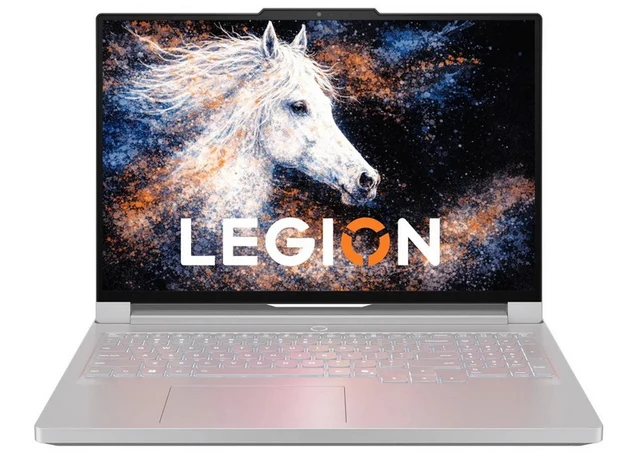
The high-performance computing landscape welcomes the Lenovo Legion R9000P, a gaming laptop that marks the first commercial implementation of Inkjet Printing (IJP) technology in OLED panels. The 16-inch display, engineered by TCL CSOT, represents a significant challenge to traditional manufacturing methods, offering a sophisticated balance of high performance and optimized production costs.
The panel's technical specifications are impressive: a 240Hz refresh rate and DCI-P3 color gamut coverage exceeding 99%. Of particular note is the stability of color reproduction across varying brightness levels—a critical factor for professional content creation. However, the primary technological breakthrough here is the adoption of a Real RGB Stripe arrangement. Unlike the common triangular or diamond subpixel layouts (such as PenTile), where adjacent pixels may share colors, the classic striped RGB structure ensures maximum clarity for text elements and minimizes chromatic artifacts along the edges of fine UI components. This makes the panel nearly ideal for workloads where font rendering precision takes precedence over pure gaming scenarios.
To appreciate the significance of this achievement, one must examine the manufacturing process. Traditional OLED production relies on vacuum thermal evaporation utilizing Fine Metal Masks (FMM). This process is prohibitively expensive, requires sterile high-vacuum environments, and presents immense challenges when scaling to larger surface areas. IJP radically shifts this paradigm: organic light-emitting materials are deposited onto the substrate via precision inkjet print heads—essentially functioning like an industrial printer, but operating at a microscopic scale.
This method allows manufacturers to completely bypass costly metal masks and cumbersome vacuum equipment, significantly reducing production costs and streamlining material logistics. TCL CSOT has already transitioned this technology into mass production at its Gen 5.5 t12 plant in Wuhan, and plans for the launch of a Gen 8.6 t8 line signal the company's intent to scale the solution for even larger formats. Currently, TCL CSOT remains the sole player capable of commercializing IJP OLED on such a scale.
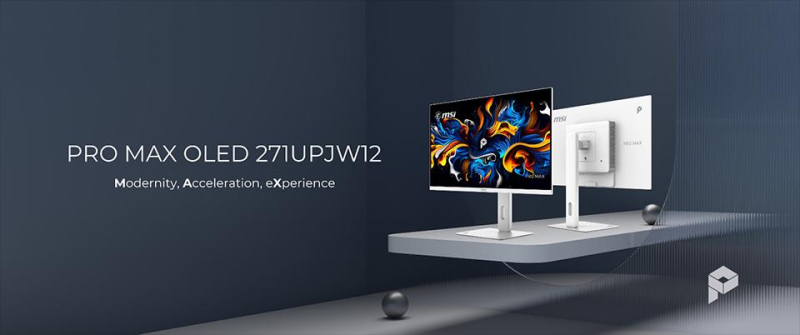
The impact of this technology is already extending beyond Lenovo's laptop lineup. Similar panel characteristics are appearing in the new MSI Pro Max OLED 271UPJW12 monitor. While there have been no official announcements regarding a partnership with TCL CSOT, the technical profile of the MSI display almost perfectly aligns with the parameters of the Legion R9000P panel. This suggests the emergence of a new market standard, where inkjet printing becomes the primary tool for creating affordable, high-quality, large-scale OLED screens.
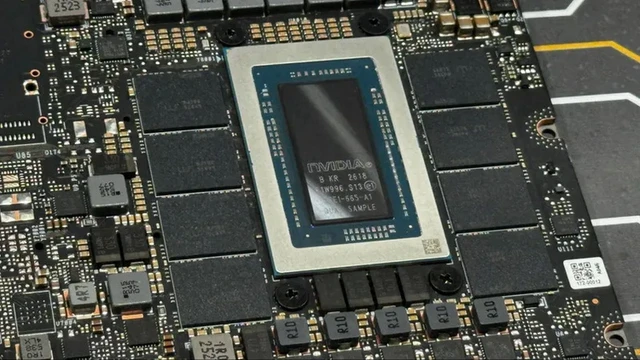 Nvidia N1X and the New Era of Arm PCs