Atmospheric humidity remains one of the primary technical hurdles in additive manufacturing, capable of critically compromising both the quality and structural integrity of finished parts. For users within the Bambu Lab ecosystem, maintaining filament stability has been a particularly pressing issue, exacerbated by the open architecture of certain material delivery systems. In response, Sunlu has introduced a specialized solution that transforms a standard storage unit into a full-fledged climate-controlled chamber. This accessory is engineered to ensure the stability of the polymer's physicochemical properties in real-time throughout the printing process.
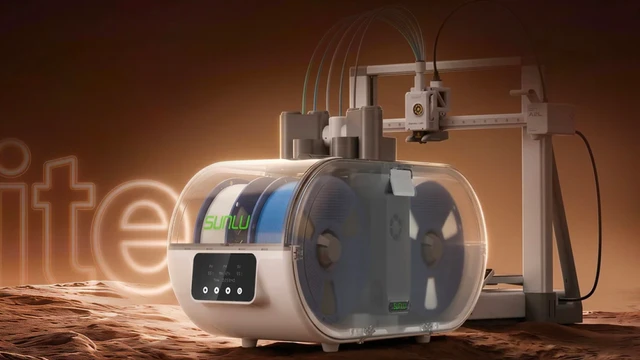
Sunlu's latest drying chamber is purpose-built for the AMS Lite multi-color printing system, utilized across the A1, A1 mini, and A2L series. Unlike many third-party modifications, this device arrives as a complete external enclosure. By eliminating the need for structural alterations to the printer itself, it preserves the factory warranty while streamlining the installation process.
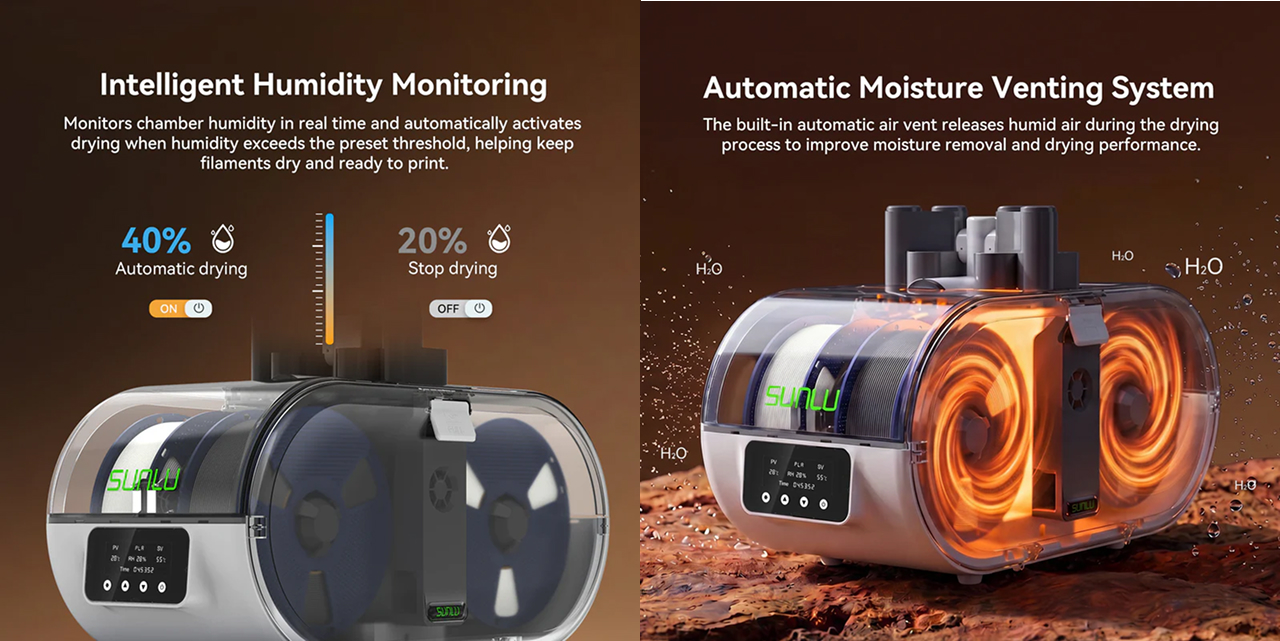
At its technical core, the device creates a controlled environment with adjustable temperature settings reaching up to 70°C. This range is critical when handling high-temperature and hygroscopic polymers—ranging from standard PLA and PETG to more demanding materials like ABS, ASA, polyamide (PA), and polycarbonate (PC). To prevent localized hotspots and ensure uniform heating across all spools, engineers have implemented a dual-channel airflow system. Combined with active ventilation, this setup efficiently extracts moisture from the internal volume, effectively eliminating condensation.
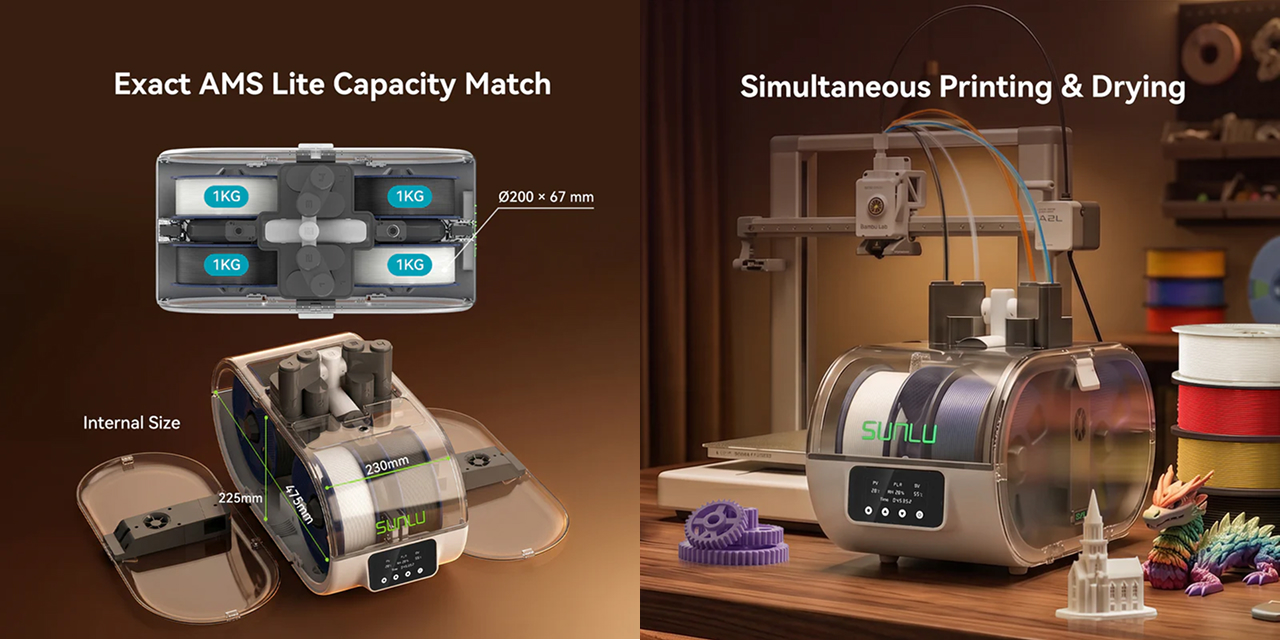
The chamber's intelligence is driven by a real-time sensor array. An integrated hygrometer allows users to define specific humidity thresholds; once exceeded, the system automatically triggers a drying cycle. This transforms the unit from a passive storage box into an active tool for material quality control. Operational safety is managed via a door-open sensor and a multi-tiered overheat protection system, mitigating the risk of filament deformation or hardware failure.
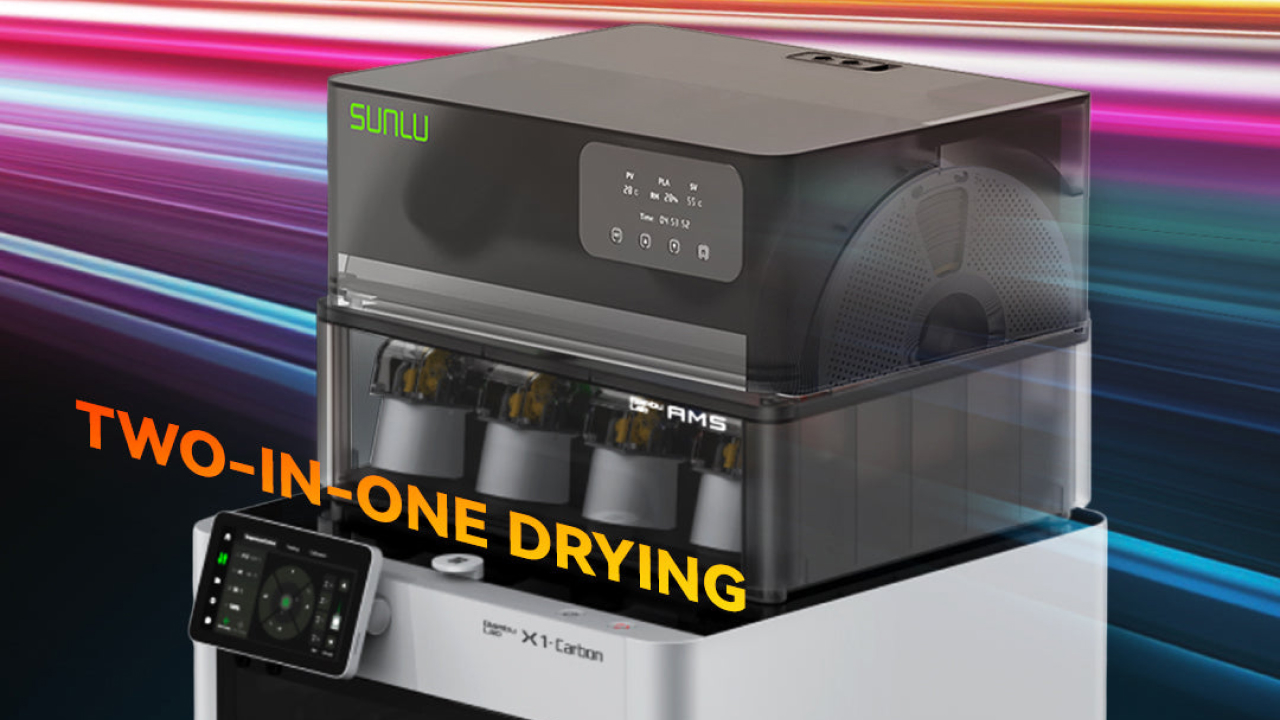
The introduction of the AMS Lite Heater is a logical progression in Sunlu’s product roadmap. The company previously released a similar solution for the first-generation AMS, which functioned as a replacement lid. This shift reflects broader market evolution: in the second generation of AMS systems, Bambu Lab engineers opted to integrate drying capabilities directly into the hardware. However, for current A-series owners, Sunlu’s solution remains the most efficient method for combating humidity without requiring a full hardware overhaul.
Priced at $130, the device is positioned as an accessible tool for users pursuing professional-grade print quality and those working with complex engineering plastics.
 Breakthrough in the Mass Production of Solid-State Batteries