Google is reimagining its hardware strategy, aiming to forge a unified and distinctive ecosystem of premium devices. The emergence of the "Googlebook" brand signals a pivotal shift away from the fragmented landscape of Chromebooks toward a cohesive product lineage defined by rigorous quality standards. Early leaks of models from top-tier vendors underscore the company's ambition to seamlessly blend high-end aesthetics with raw performance. This represents a strategic pivot, transforming cloud-centric systems into comprehensive, professional-grade productivity tools.
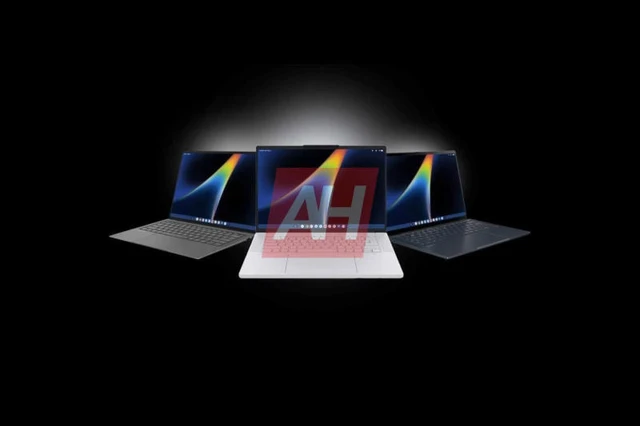
The PC industry is witnessing a pivotal transformation: Google is effectively establishing its own hardware "standard," delegating production to a circle of trusted partners. The new Googlebook lineup, featuring devices from Acer, Asus, and Lenovo, signals the company's drive toward visual and functional cohesion. The centerpiece of this unity is the Glowbar—an LED strip on the outer lid. This nuanced detail is a direct homage to the 2013 Chromebook Pixel's aesthetic, transforming a technical indicator into a recognizable symbol of premium status across the entire ecosystem.
The design of these new machines is defined by a seamless blend of ultra-slim chassis and a comprehensive port selection—a critical requirement for the professional segment, where reliance on dongles remains the Achilles' heel of modern ultrabooks.
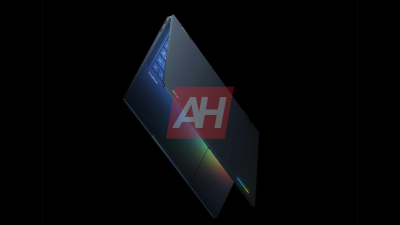
The hardware specifications of the Googlebook confirm a clear pivot toward the high-performance sector. At the core are Intel Core Ultra processors, which introduce NPU-driven computing and enhanced energy efficiency to the ecosystem. For instance, the Acer model offers a choice between the Core Ultra 5 325 and the more potent Core Ultra 7 355, paired with a high-quality 14-inch OLED display.
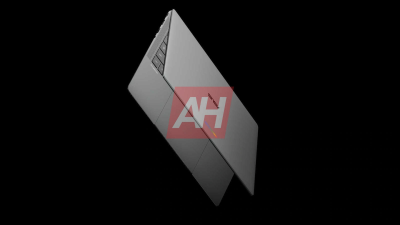
Lenovo’s approach is particularly noteworthy, prioritizing visual ergonomics and multitasking. Their interpretation of the Googlebook features a substantial 15.3-inch OLED screen with a 120Hz refresh rate, ensuring fluid interaction with graphics and interfaces. Furthermore, Lenovo intends to expand its footprint in this niche by introducing a hybrid device—a tablet with a detachable keyboard—effectively erasing the boundary between a mobile device and a full-fledged workstation.

Asus, meanwhile, focuses on resource optimization in the CX9406 model, offering up to 16GB of RAM—essential for the seamless operation of demanding web applications and virtualization.
The rollout of this ecosystem appears to be a calculated strategic expansion. Pre-orders, beginning September 21, are merely the first phase, with solutions from HP and Dell expected to follow. In doing so, Google is curating a closed yet diverse club of premium devices, where hardware from various manufacturers operates as a single, synchronized mechanism under the strict orchestration of the software giant.
 Analog Aesthetics in Digital Execution