The pursuit of absolute silence in PC hardware often necessitates radical engineering interventions. In an era dominated by active cooling, the notion of a fully passive system feels almost utopian when applied to high-performance GPUs. Yet, the advent of highly energy-efficient silicon is unlocking new possibilities for thermal management experimentation. The modification of the GeForce RTX 4060 serves as a compelling case study, proving that with sufficient thermal mass, even demanding workloads can be tamed without a single spinning fan.
The Fanless Tech concept shifts the discourse on cooling from the realm of fan efficiency to the fundamental principles of thermodynamics and thermal mass. At its core lies a massive 2.5 kg aluminum heatsink that completely replaces the standard active cooling system. This approach transforms the graphics card into a sort of "thermal reservoir," where the primary objective is no longer forced air extraction, but the orchestration of natural convection.
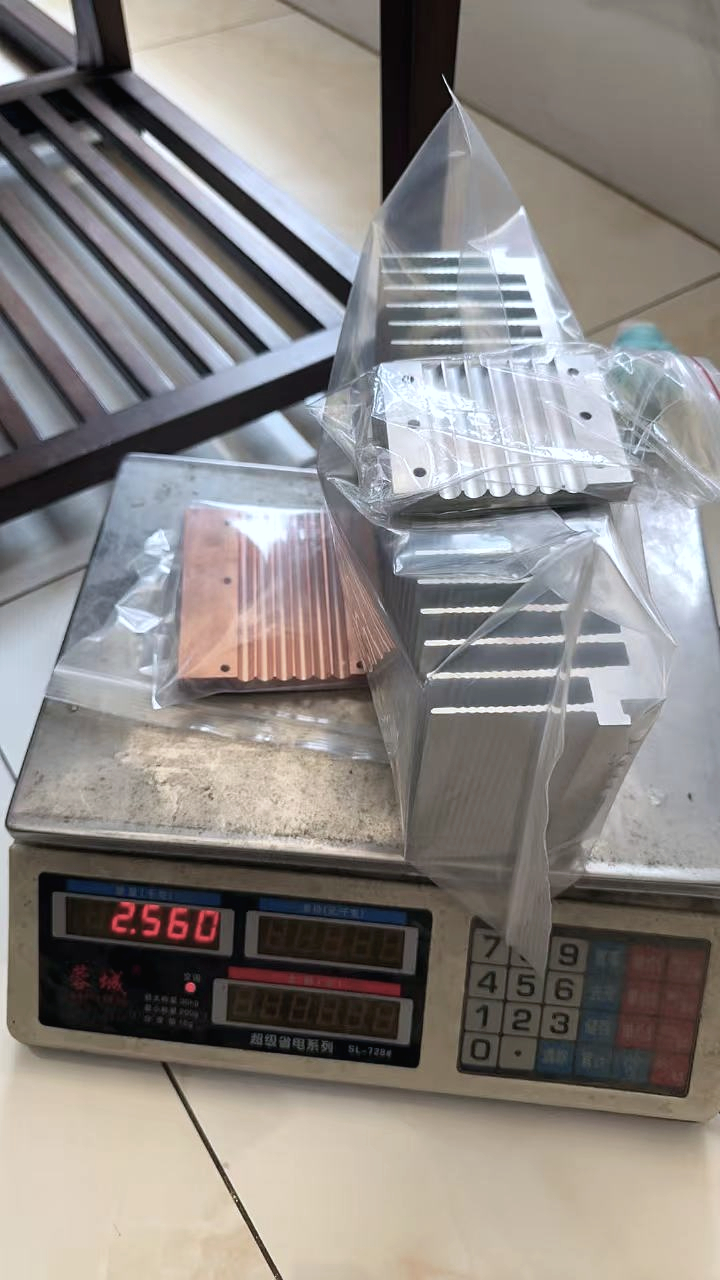
The technical implementation consists of a towering aluminum finned block with a meticulously calculated fin pitch. This precision is critical: overly dense fins would create excessive airflow resistance, inevitably leading to overheating. In this design, however, warm air rises unimpeded, carrying heat away from the GPU die and into the surrounding environment. The heatsink's dimensions significantly exceed those of the PCB itself, turning the device into a monumental piece of engineering.
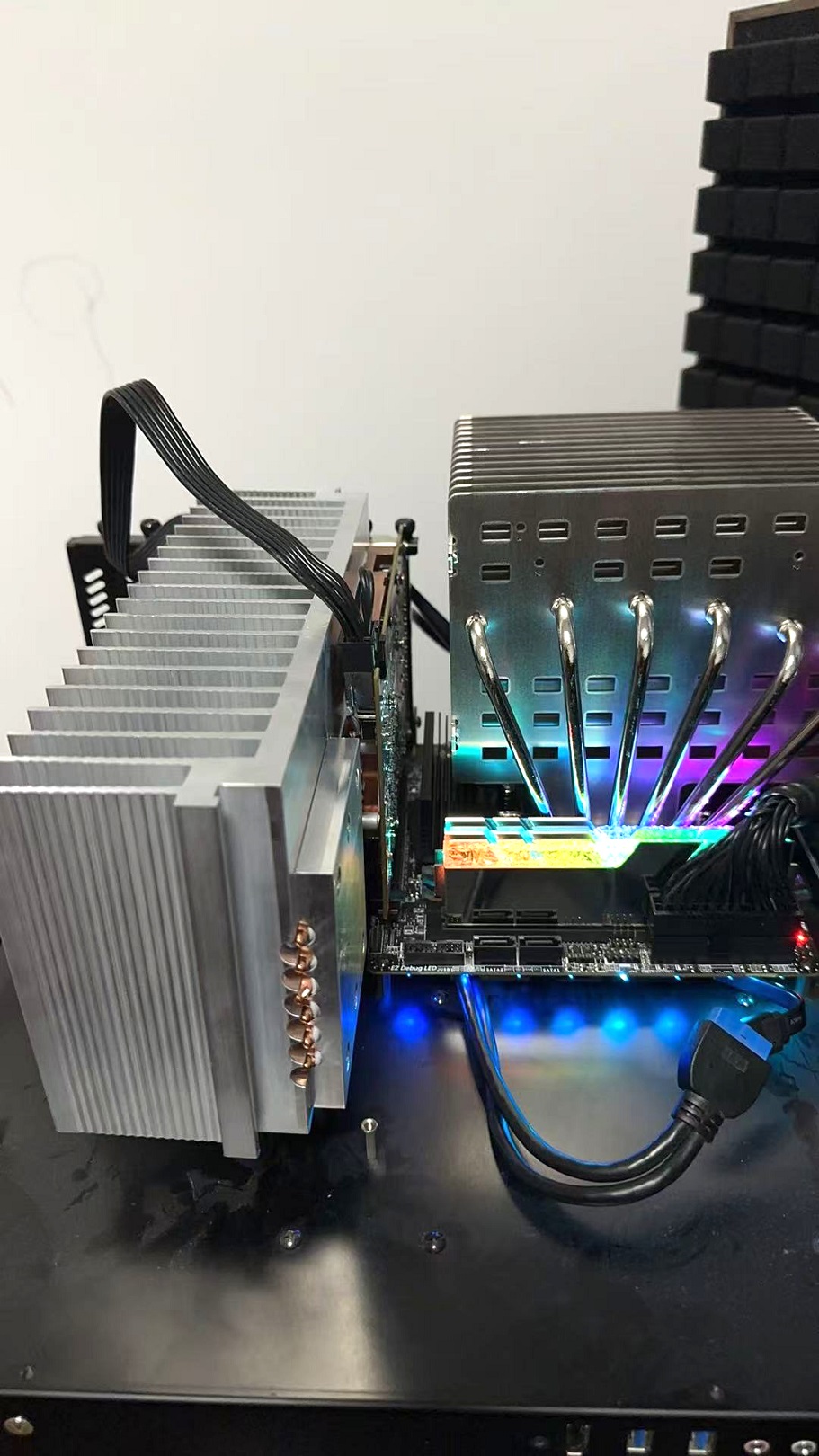
Particular attention was paid to the component's physical placement. Given the immense weight and volume of the aluminum block, a standard PCI Express slot installation would be untenable—the risk of mechanical damage to the motherboard is simply too high. Consequently, the graphics card was moved outside the chassis and mounted vertically. This solution achieves two goals simultaneously: it relieves the stress on the connector and optimizes airflow, allowing convection to operate at peak efficiency.
Stress testing via FurMark helped determine the actual thermal ceiling of this modification. With power consumption hovering around 120W, the GPU temperature reached 87°C. From a traditional gaming perspective, such figures might seem alarming; however, for modern NVIDIA GPUs, this remains within an acceptable operating range. The key takeaway was the total absence of thermal throttling: the card maintained stable performance despite the complete lack of forced cooling.
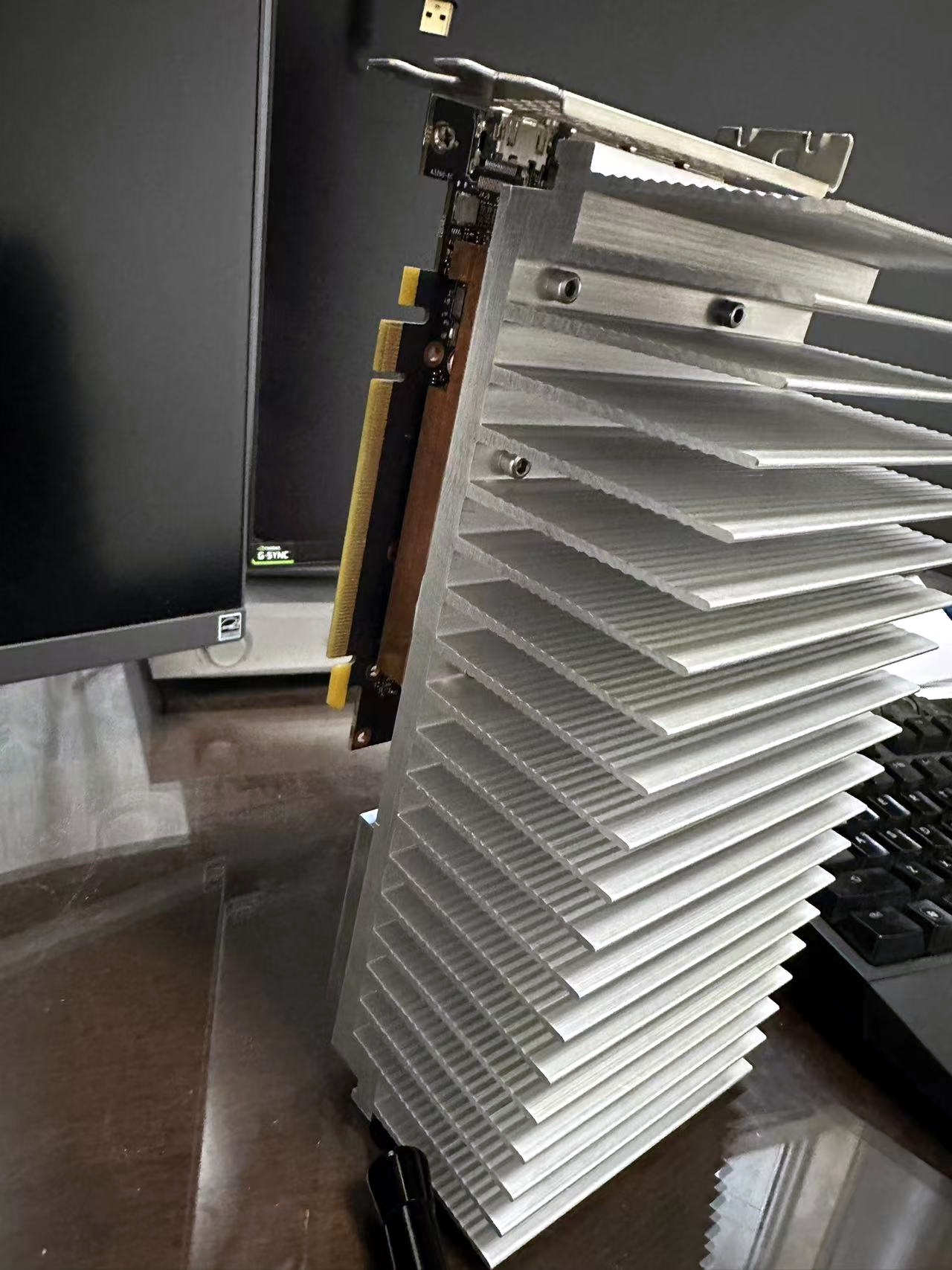
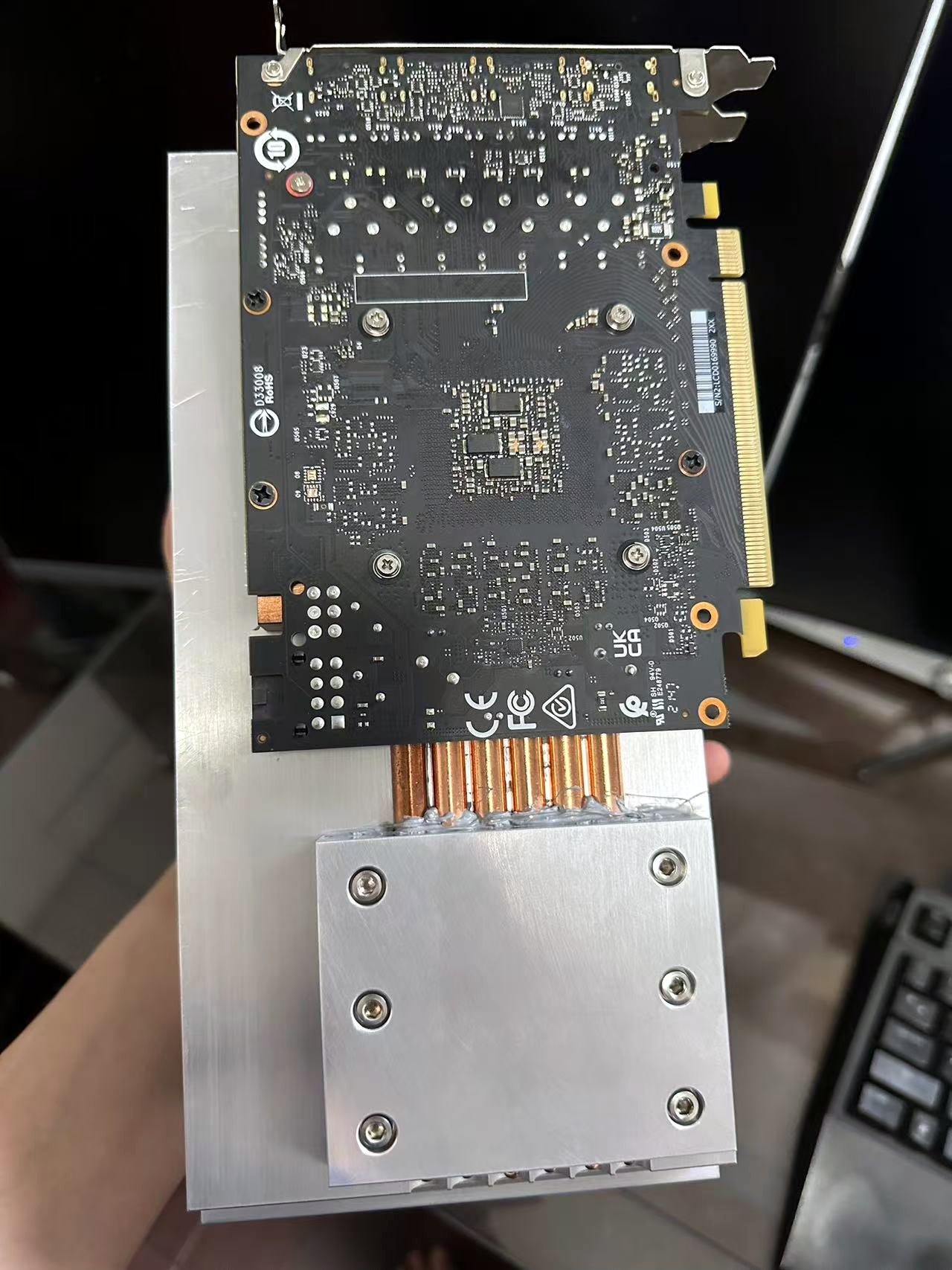
This experiment transcends simple modding, serving as a critical proof of concept. While a multi-kilogram heatsink is impractical for the mass market, it demonstrates a fundamental shift: modern graphics chips have become efficient enough to operate in total silence, provided there is sufficient heat dissipation surface area. This paves the way for specialized silent workstations where the reliability of passive cooling becomes the primary priority.
 Energy Autonomy: The Extreme Edition