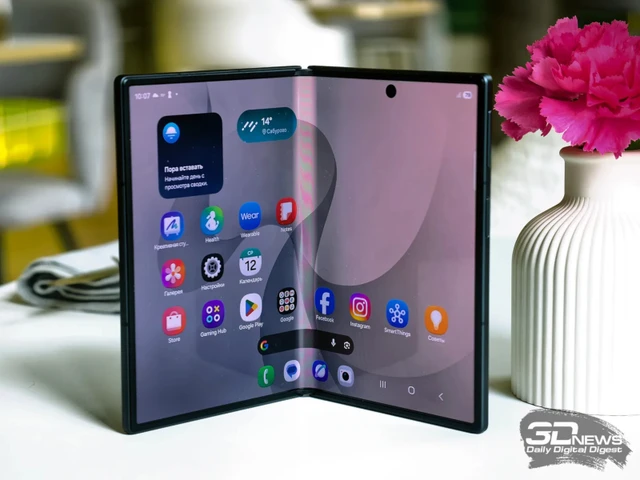
Foldable devices have long been plagued by a persistent aesthetic and technical hurdle: the conspicuous crease at the display's fold. The industry is now pivoting from basic polymer-based solutions toward sophisticated, multi-layered glass architectures, redefining the standards for flexible panel durability. At the forefront of this shift is the dual-UTG concept, a new technological benchmark promising a radical leap in both visual clarity and structural rigidity. Leading tech giants are coalescing around this approach, aiming to elevate the premium device segment to an entirely new echelon of quality.
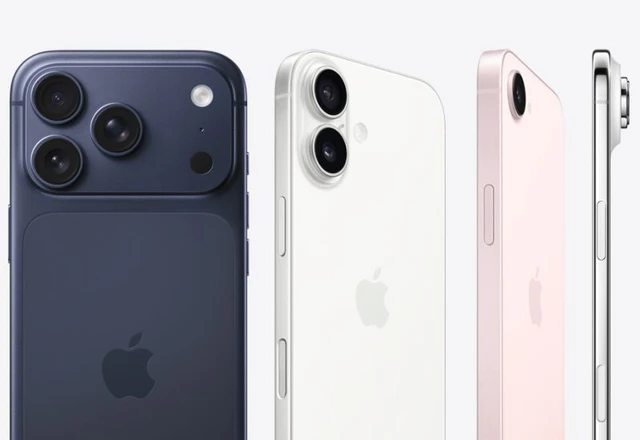
The issue of the display crease on foldable screens has long ceased to be a mere aesthetic flaw, evolving instead into a primary metric of competitiveness within the premium smartphone segment. For years, manufacturers relied on a combination of Ultra Thin Glass (UTG) and polymer films, yet this proved insufficient for achieving a perfectly flat surface. Now, Google, Oppo, and Vivo are following Apple's lead by implementing dual-UTG technology—an architecture where the OLED panel is sandwiched between two layers of ultra-thin glass.
The technical essence of this solution lies in the creation of a "glass sandwich." The top UTG layer, measuring only a few dozen microns thick, handles external protection against scratches and impacts while maintaining the flexibility required for repeated folding. The bottom glass layer serves a fundamentally different, structural purpose: it supports the OLED panel from below, effectively distributing the mechanical stress that accumulates at the hinge during every opening and closing cycle.
This approach allows for far more precise calibration of the panel's overall rigidity. When the materials on the top and bottom are identical, the display's physical properties become more predictable, minimizing material deformation and virtually eliminating the deep central crease.
It is illuminating to contrast this trajectory with Samsung's current strategy for the Galaxy Z series. These devices employ a hybrid architecture: a UTG layer on top and a "Flex Titanium" structure—comprising a titanium alloy and a reinforced plate—on the bottom. From a manufacturing standpoint, this scheme is simpler and more cost-effective, as it avoids the complex bonding processes required for two glass layers and reduces defect rates. However, in terms of aesthetics and tactile experience, dual-UTG proves superior.
A pivotal player in this transformation is Samsung Display, which is adapting its production capacities to meet the stringent specifications of its clients. In partnership with Dowoo Insys, the supplier of specialized glass sheets, the company is working to optimize high-volume manufacturing. The primary objective now is to find the ideal equilibrium between panel thickness and longevity, ensuring that the new devices hitting the market next year meet the highest standards of reliability.
For brands like Oppo and Vivo, the transition to dual-glass represents a strategic lever, allowing them to position their models as more robust and durable. Ultimately, the industry is moving toward a future where foldable screens are physically indistinguishable from conventional rigid glass, and dual-UTG technology represents the most promising path toward achieving that ideal.
 Energy Autonomy: The Extreme Edition