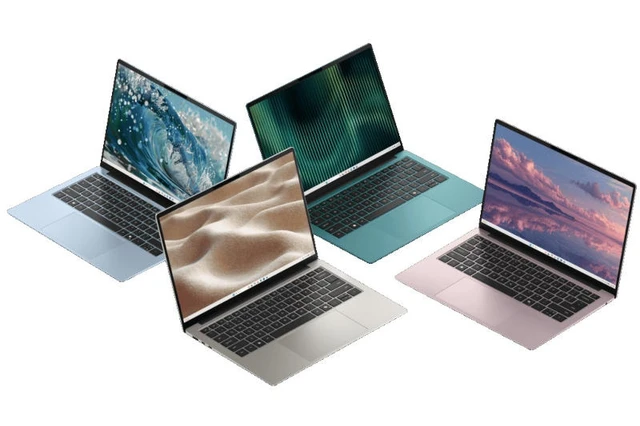
The compact laptop market is undergoing a profound transformation, with power efficiency emerging as the primary battleground for competition. Amidst this shift, Dell is pivoting toward a new product line, aiming to wrest the initiative from Apple in the high-performance, budget-conscious segment. The introduction of the 14S marks a strategic pivot toward a more pragmatic philosophy in mobile system architecture. Rather than being just another iterative release, the 14S represents a calculated effort to redefine the equilibrium between price point and technical capability.
The positioning of the new DS14270 is surgically precise: the device is designed to occupy the strategic gap between budget-tier solutions and the premium XPS 13 series. While the XPS remains a showcase of technological supremacy, the Dell 14S is engineered as a direct challenger to the MacBook Neo, offering comparable mobility paired with a more aggressive pricing strategy.
At the heart of the device lies the Wildcat Lake processor family. Two configurations are available: the Core 5 320 and the Core 7 350. The engineering philosophy here is distinct—both chips feature six cores and six threads, partitioned into two performance cores (P-cores) and four low-power efficiency cores (LP E-cores). Notably, standard E-cores are entirely absent from this configuration, signaling a concerted effort to optimize thermal output and extend battery endurance.
P-core clock speeds reach 4.6 GHz in the base version, while the high-end chip pushes up to 4.8 GHz. The efficiency cores operate between 3.4 and 3.6 GHz. In terms of power consumption, the system scales from a 15W base mode to 35W during Turbo Boost, maintaining high computational density without overheating the compact chassis.
Memory and storage adhere to modern standards, albeit with certain compromises. The use of LPDDR5X RAM clocked at 7647 MHz ensures high data exchange speeds; however, the single-channel configuration limits potential bandwidth. Configurations are available in 8GB and 16GB capacities, with SSD options ranging from 256GB to 1TB.
The visual experience is offered in two tiers. The base display, featuring a 1920 × 1200 resolution and a 60Hz refresh rate, is tailored for productivity and office tasks. For users prioritizing UI fluidity and color accuracy, an upgraded panel is available, boasting a 2880 × 1800 resolution, a 120Hz refresh rate, and peak brightness of up to 450 nits.
Ergonomics and connectivity have been refined to meet contemporary mobility demands. The aluminum chassis, which ensures structural rigidity while keeping the weight around 1.15 kg, is equipped with two 10Gbps USB Type-C ports supporting DisplayPort and Power Delivery. The inclusion of HDMI 1.4 and a standard 3.5mm audio jack makes the device versatile, liberating the user from the constant need for dongles.
The power management system merits particular attention. A 61.2 Wh battery is paired with an updated architecture designed to minimize localized heating and slow the chemical degradation of the cells. According to the manufacturer, this is sufficient for 23 hours of continuous content playback, placing the Dell 14S among the industry leaders in autonomy.
The device is scheduled for market release in autumn 2026. The pricing is expected to sit comfortably below the $699 threshold, making it a formidable competitor not only to Apple but also to Dell's own premium lines—offering a pragmatic alternative for those who demand performance without paying the "status tax" of the XPS.
 The Horizon of China's Technological Sovereignty in Lithography