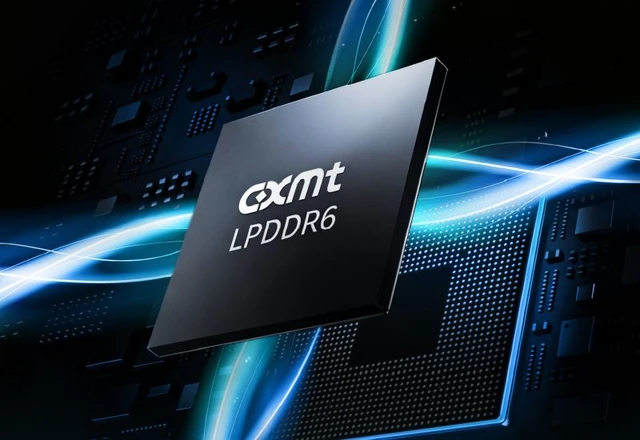
The global race for semiconductor sovereignty has entered a phase of direct confrontation. Next-generation memory has emerged as a critical nexus for the advancement of mobile AI and high-performance computing, where every megabit of bandwidth directly dictates a device's competitive edge. CXMT's transition to the mass shipment of LPDDR6 marks a pivotal shift in the DRAM market's balance of power. This milestone transforms strategic ambition into a tangible product, already being integrated into the latest flagship devices.
The debut of the Xiaomi 18 Fold is more than just the launch of another consumer gadget; it serves as a definitive signal that a new era has dawned for CXMT. The Chinese manufacturer has officially confirmed the transition to mass production of LPDDR6 DRAM, which has now made its first appearance in a commercial device. For China's semiconductor industry, this milestone is a strategic victory, demonstrating a sophisticated capacity to develop components that meet the most stringent global standards.
The technical specifications of these new modules are impressive: 16GB chips capable of reaching peak data transfer rates of 12,800 Mbps. In real-world smartphone operating conditions, the effective throughput stands at 10,667 Mbps. From an architectural standpoint, CXMT utilizes an FBGA package with 1,295 pins, ensuring full compliance with JEDEC specifications.
A comparison with the previous LPDDR5X generation reveals a quantum leap in performance. With speeds climbing to 12,800 Mbps, memory bandwidth has increased by 60%. However, the true value of LPDDR6 lies not only in raw speed but in energy efficiency. Power consumption has been reduced by 20%, which translates directly into extended battery life for mobile devices. This was achieved through the implementation of more dynamic voltage scaling for individual chip blocks and intelligent resource scheduling, optimizing power draw based on the current computational load.
The approach to thermal management also warrants particular attention. Despite the increased manufacturing complexity, the new LPDDR6 packaging has reduced die thermal resistance by 40%. In the cramped layouts of modern smartphones, where heat dissipation is a primary engineering challenge, such optimization allows memory chips to operate more stably and sustain high performance under heavy workloads.
The application landscape for this technology extends far beyond mobile telephony. LPDDR6 is poised to become the cornerstone for next-generation PCs, wearables, automotive systems, edge computing servers, and complex robotic systems.
Market dynamics confirm CXMT's rapidly growing influence. According to data from TrendForce, the company's share of the global DRAM market by revenue rose from 7.6% to 9.5% by the end of the second quarter. This growth has propelled the Chinese player to fourth place in the global rankings of memory manufacturers, narrowing the gap with the traditional industry leaders.
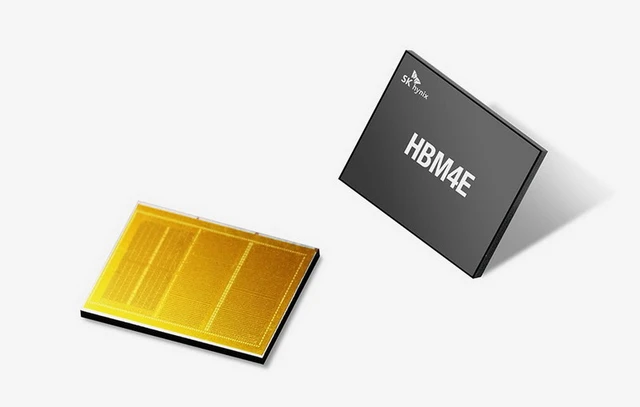
Nevertheless, competition remains intense. South Korea's SK hynix has already finalized the development of its own LPDDR6, based on a 10nm-class process, and is beginning shipments this half-year, claiming the potential to reach speeds of up to 14,400 Mbps. Samsung Electronics, which showcased memory samples as early as CES 2026, is keeping its mass production timeline confidential, though its solutions are also targeting the 12,800 Mbps benchmark. Meanwhile, the US-based Micron is already shipping samples to key clients while remaining cautious in its public statements regarding a full commercial rollout.
Ultimately, the LPDDR6 market is evolving into a high-stakes battleground between three technological hubs—China, South Korea, and the United States. Victory will depend not only on theoretical benchmarks but on the ability to scale production without compromising quality.
 Power and Poise: The Xiaomi Pad 9 Pro Max