A leadership transition at one of the world's most influential tech giants is always a harbinger of a shifting internal paradigm. John Ternus’s appointment as Apple’s CEO signals a pivot from an era of operational excellence toward one of material pragmatism. At the heart of this new strategy lies more than mere functionality; it is a commitment to physical durability and profound environmental stewardship. The focus has now shifted toward engineering devices that actively challenge the culture of rapid consumption.
The transition of power in Cupertino was more than a mere formality; it signaled a fundamental shift in the company's strategic priorities. John Ternus, stepping into the role of CEO, has clearly charted the course of his tenure, centering it on two key pillars: uncompromising device reliability and radical innovation in design and materials. This suggests that Apple intends to redefine the product lifecycle, pivoting away from the cycle of annual iterations toward the enduring longevity of each individual device.
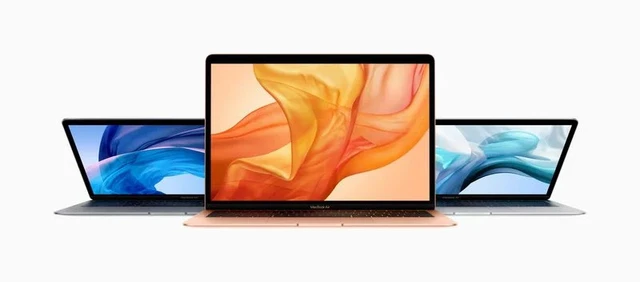
A central tenet of this new strategy is materials science, which is evolving from a supporting role into a primary driver of innovation. This shift transcends mere aesthetics, focusing instead on engineering new physical properties into the hardware. The integration of recycled aluminum into new composites and the use of 3D-printed titanium—already deployed in the Apple Watch Ultra—demonstrate the company's commitment to creating ultra-durable architectures while simultaneously reducing its environmental footprint.
This approach seamlessly complements the environmental mandate established by Tim Cook. However, while the previous phase focused on a general reduction of the carbon footprint, Ternus is elevating this process to the level of precise engineering. Sustainability is now being realized through concrete technological advancements: from the optimization of raw material supply chains to the enhancement of device repairability.
Improving repairability is becoming a strategic lever for extending product lifespans. In an industry long dominated by the principle of "planned obsolescence," Apple, under Ternus's leadership, appears to be charting a path toward devices capable of functioning for years without sacrificing relevance or structural integrity.
Ultimately, Apple's new leadership philosophy aims to create a symbiosis between cutting-edge technology and physical resilience. This transforms the device from a consumable commodity into a long-term asset, where innovation is measured not merely by the addition of new features, but by the product's ability to withstand the test of time and wear.

 The Power Shift at Apple