The global technological landscape is undergoing another tectonic shift as the euphoria surrounding artificial intelligence collides with the cold realities of financial pragmatism. Apple has reclaimed its title as the world's most valuable company, overtaking Nvidia in the race for market capitalization supremacy. This transition marks a pivotal inflection point: investors are beginning to re-evaluate the valuation of hardware and seek sustainability through operational efficiency. The market is no longer focused solely on the raw power of accelerators, but rather on the tangible economics of AI deployment.
A shift in the hierarchy of global market capitalization has occurred against a backdrop of cooling interest in the semiconductor sector. Apple has firmly secured the top spot with a valuation of $4.95 trillion, while Nvidia—whose ascent was once meteoric and nearly vertical—has seen its figures correct to $4.77 trillion. The 5% dip in the "Green Giant's" shares reflects deep-seated investor skepticism regarding the long-term sustainability of the AI industry's current growth model.
The primary catalyst for Nvidia's decline has been apprehension surrounding so-called "circular funding." Markets are increasingly concerned that the accelerator manufacturer is effectively helping its clients finance the demand for its own products, creating a closed ecosystem of dependency. As AI infrastructure costs reach astronomical levels, such a strategy is beginning to be viewed as a liability rather than an advantage. This shift is evident in the stock's performance: since the start of 2026, Nvidia's growth has slowed to a modest 4%, standing in stark contrast to Apple's trajectory.
Conversely, Apple’s strategy has sparked optimism among financial analysts. While competitors pour billions into constructing proprietary data centers, Apple has opted for a path of pragmatic resource consumption, preferring to lease existing capacity. This approach allowed the company to bypass massive capital expenditures and fueled a 24% surge in its share price since the beginning of the year. Investors have rewarded this caution, viewing it as a safeguard for financial stability amidst market turbulence.
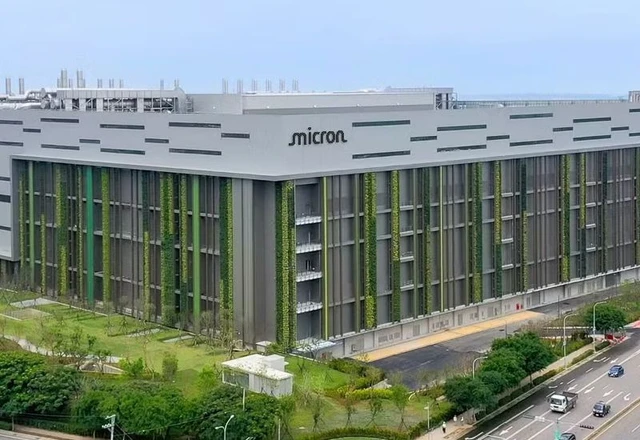
However, Apple's triumph does not signal the end of the AI era; rather, it indicates a shift in focus. In recent months, memory manufacturers—such as Micron, SK hynix, and Sandisk—have moved to the forefront. It has become evident that the industry's bottleneck is no longer solely computational power, but also memory bandwidth and capacity, triggering a global component shortage.
This scarcity has already begun to bleed into the consumer segment: in June, Apple was forced to revise its pricing strategy for the Mac and iPad lines, increasing device costs. The upcoming third-quarter earnings report is expected to reveal the true scale of how this supply crisis has impacted the company's bottom line. Consequently, the battle for the title of the world's most valuable company is evolving from a raw arms race into a sophisticated contest of risk management and supply chain optimization.
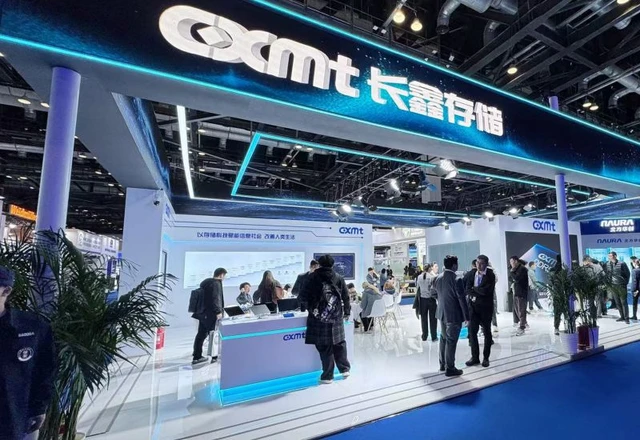 The Economic Leap of China's Memory Manufacturers