The AI revolution is yielding dividends far beyond the emergence of new LLM architectures; it is triggering a massive redistribution of capital across the entire industry. The semiconductor market is currently grappling with unprecedented pressure from a workforce demanding a fair share of these windfall profits. The situation unfolding at Micron Technology in Taiwan serves as a poignant illustration of this global paradigm shift in the relationship between capital and engineering talent. This dynamic underscores a new reality: the war for talent has become every bit as fierce as the race for nanometer precision.
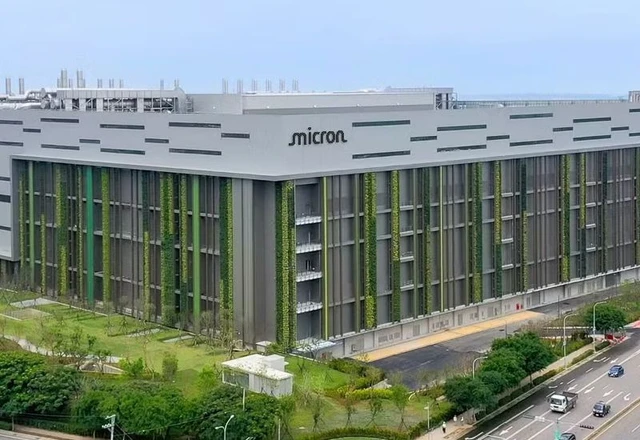
The explosive surge in demand for high-performance memory and specialized AI chips has transformed the semiconductor industry into a realm of extraordinary profitability. In this climate, Micron Technology's workforce in Taiwan has successfully leveraged the company's technological triumphs into substantial financial gains. For the 2026 fiscal year, employees can expect bonuses ranging from 35 to 68 monthly salaries, with a guaranteed minimum payout set at $53,809 per person.
The scale of these disbursements underscores the exceptional nature of the reporting period: following a streak of anomalous revenue growth, Micron has moved to reward over 60,000 employees worldwide. The most pronounced increases were seen among front-line personnel—operators, technicians, and shift engineers—whose payouts have reached record highs. For Taiwan-based employees hired before August 2025, the base cash bonus will be approximately $31,653. However, the figures for junior engineers are far more impressive: their cash payouts will be nearly triple that amount, with total compensation packages—including options and equity—potentially reaching $107,000.
A critical detail lies in the structure of these payments. A significant portion of the bonuses is granted in company shares, effectively tethering employee prosperity to Micron's market capitalization. Consequently, direct cash flow represents only a fraction of the total annual reward, transforming employees into genuine stakeholders in the business.
Yet, this financial windfall has not fostered total harmony. The industry is experiencing a distinct "domino effect": the successes of unions at Samsung Electronics and SK hynix in South Korea have established a new benchmark of expectations for all market players. Observing their counterparts in neighboring corporations secure bonuses of up to $400,000, Taiwanese specialists have begun demanding a proportional narrowing of the pay gap.
Currently, the standoff between Micron's management and the union—which represents up to two-thirds of the island's workforce—remains unresolved. The first round of negotiations failed to yield a final agreement, and both parties now intend to engage a mediator to find a compromise. This situation signals a profound structural shift within the tech sector: skilled professionals are no longer merely hired labor; they are recognizing their role as strategic assets in the AI arms race, demanding a fair share of the windfall profits generated by their expertise.
 AMD’s Strategic Approach to the Budget Segment