The semiconductor industry is undergoing a profound structural transformation. Intel is systematically overhauling its asset ownership strategy, driven by a need for greater financial agility and the optimization of operational expenditures. Altera, a pivotal player in the programmable logic sector, is gearing up for a major IPO aimed at securing billions in capital. This move serves as a critical bellwether for the broader global trend toward the decentralization of tech conglomerates.
The semiconductor industry is on the cusp of one of its most pivotal milestones in recent years. Altera, a specialist in Field-Programmable Gate Arrays (FPGAs), is planning an IPO aimed at raising over $2 billion. Silver Lake, currently one of the company's largest shareholders, is playing a central role in the preparation process. To ensure a successful offering, a consortium of top-tier financial institutions—including Barclays, Citi, JPMorgan, and Morgan Stanley—has been brought on board. The official filing is expected within the coming weeks, with the public debut slated for before the end of the year.
This move is part of Intel's broader strategic pivot toward granting its subsidiaries financial autonomy, following the precedent set by the spin-off of Mobileye. The relationship between Intel and Altera has come full circle: in 2015, Intel acquired the company for a staggering $16.7 billion in an effort to integrate flexible computing capabilities into its ecosystem. Nearly a decade later, the trajectory has shifted. In September of last year, Altera gained structural independence when Intel agreed to sell a 51% stake to Silver Lake for $4.46 billion. This transaction valued Altera at $8.75 billion, while Intel retained a 49% interest.
Altera's technological value proposition lies in its programmable logic arrays. Unlike traditional processors or Application-Specific Integrated Circuits (ASICs), where functions are hard-coded into the silicon during manufacturing, Altera's solutions allow developers to reconfigure hardware logic after the chip has been fabricated. This capability is critical for applications where algorithms evolve faster than semiconductor production cycles, or where the cost of developing a bespoke processor is prohibitive. In the era of rapid AI advancement, such flexible solutions have become indispensable tools for prototyping and optimizing high-performance computing.
In terms of market scale, Altera's upcoming IPO could be the largest in its sector since the 2023 debut of the British holding company Arm, which raised nearly $5 billion. The broader US equity market is showing signs of resurgence; as of late August, total capital raised stood at $137 billion. This figure is expected to climb significantly, particularly as the AI startup Anthropic prepares for a market entry that could attract approximately $100 billion by the end of October. For context, the previous historical peak was set in 2021, when total IPO volume reached $156 billion.
For Intel, this maneuver is a profound strategic imperative. Taking Altera public allows the corporation to significantly reduce the capital expenditures required to develop the unit, shifting the financial burden to external investors. Amidst fierce competition and the need for massive investment in its own fabrication plants, Intel is striving to create a leaner operational footprint while maintaining influence in key technological niches.
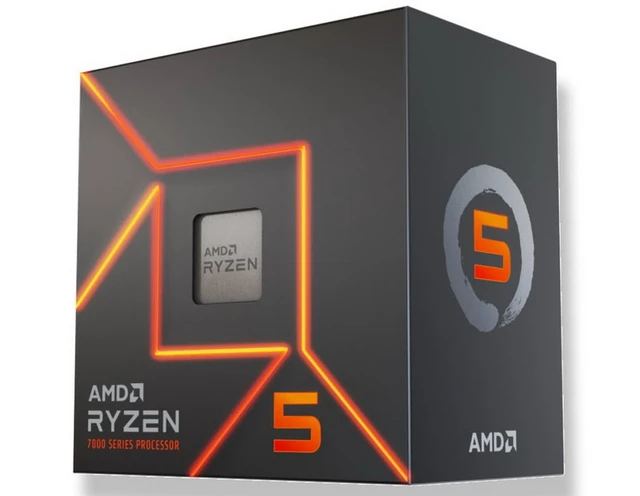 AMD’s Strategic Approach to the Budget Segment